ASUS ROG G614JZR-DS91-CA RAM upgrade specifications

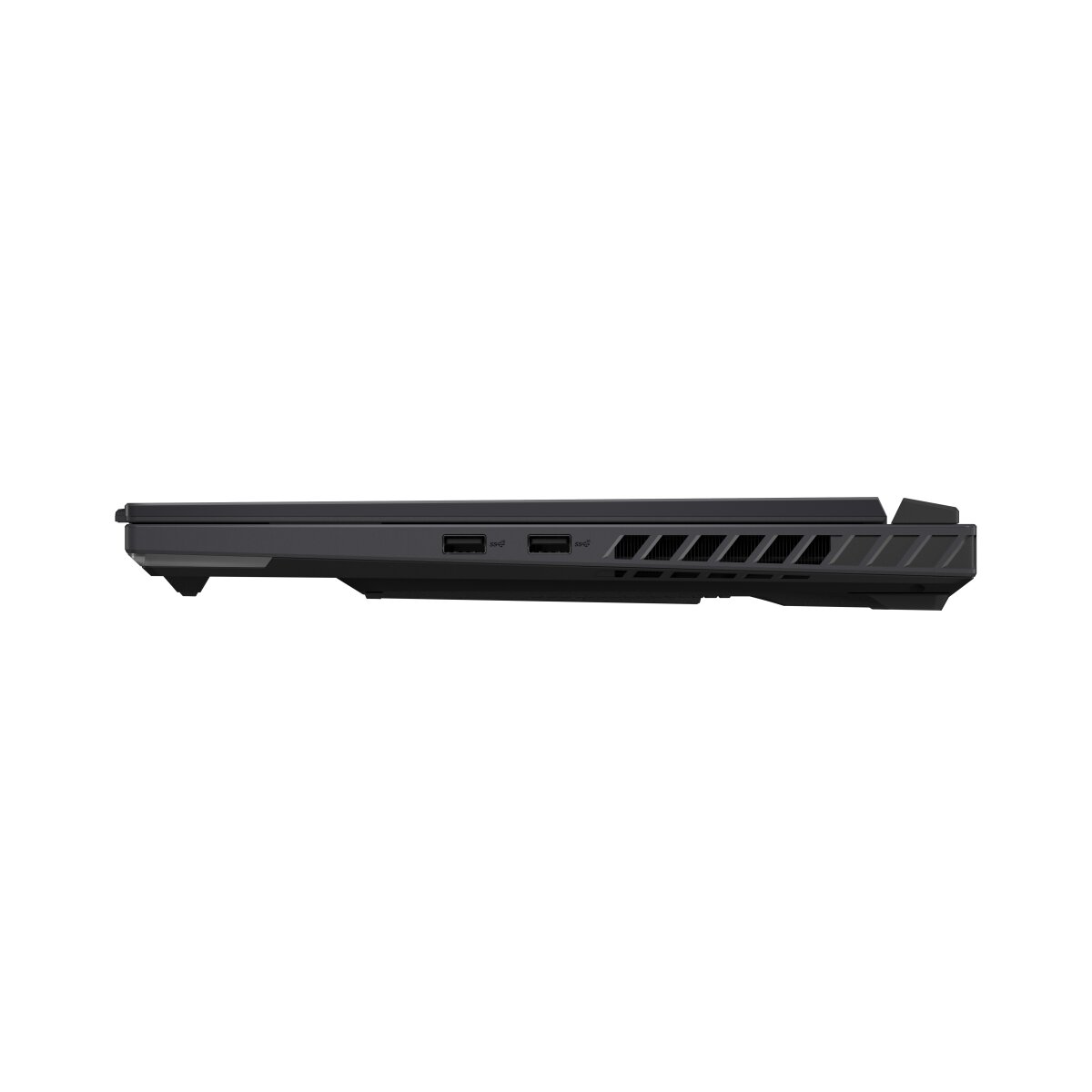
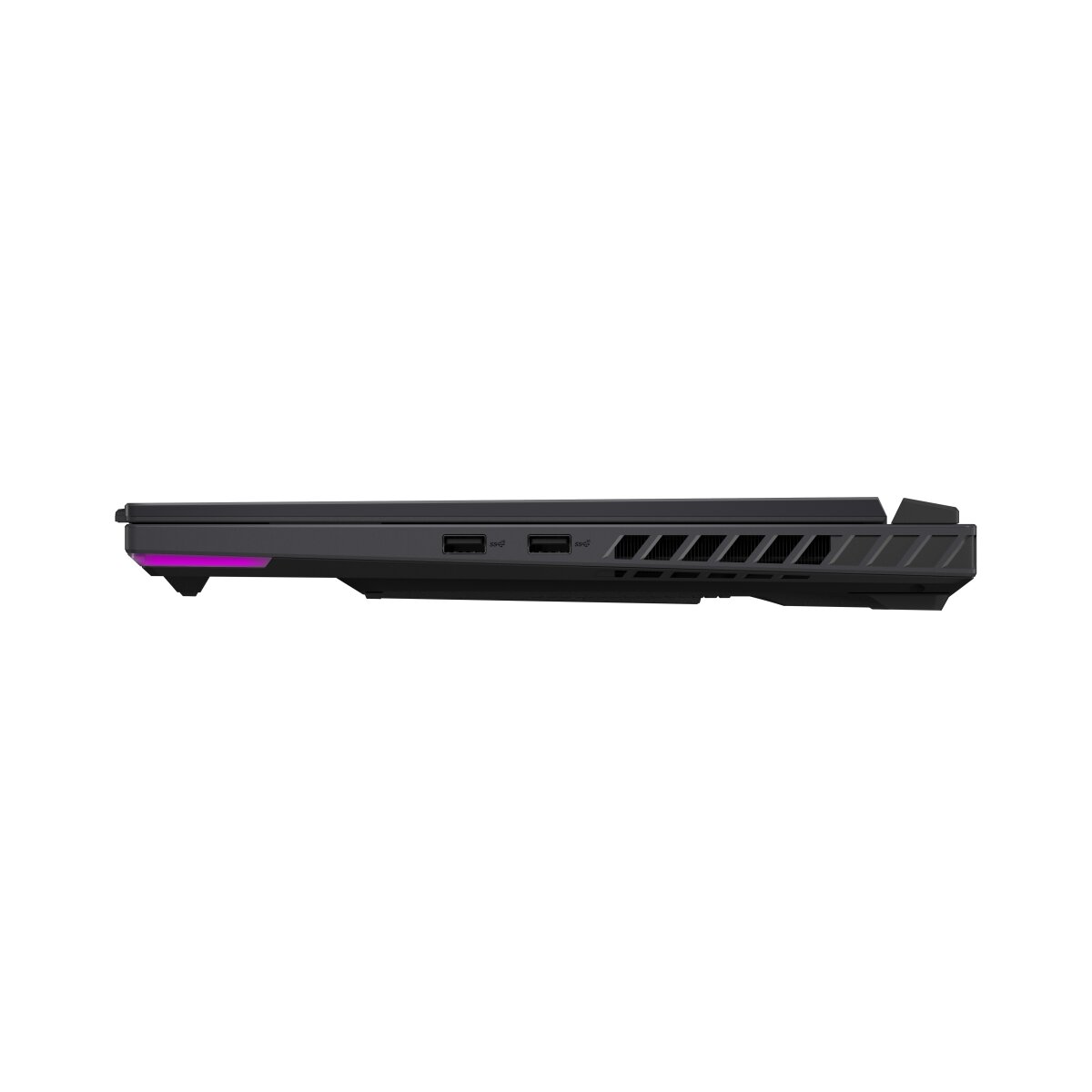
The ASUS ROG Strix G16 G614JZR-DS91-CA laptop features two SO-DIMM slots supporting DDR5-SDRAM memory upgrades. Maximum RAM capacity reaches 64 GB, with compatible memory operating at 5600 MHz frequency. The upgrade specifications indicate the device supports dual-channel memory configuration, allowing users to expand beyond the factory-installed capacity. DDR5 memory modules in SO-DIMM form factor are compatible with this gaming laptop's memory architecture.
Memory Upgrade Specifications
| Specification | Value |
|---|---|
| Memory slots | 2x SO-DIMM |
| Form factor | SO-DIMM |
| Memory type | DDR5-SDRAM |
| Frequency | 5600 MHz |
| Maximum RAM | 64 GB |
| Voltage | 1.1V |
| Number of pins | 262-pin |
| Interface | PC5 |
| PC Speed Rating | PC5-5600 (PC5-44800) |
| Bandwidth | 44.8 GB/s |
Additional Notes
- The ASUS ROG G614JZR-DS91-CA supports DDR5 memory exclusively, making DDR4 modules physically incompatible and non-functional in either slot.
- SO-DIMM form factor constraints limit upgrade options to laptop-specific memory; full-size DIMM modules cannot fit within the chassis assembly regardless of electrical compatibility.
- With 2 slots and a 64 GB ceiling, each slot accommodates a maximum 32 GB module; single-slot upgrades cannot exceed that per-module threshold.
- 5600 MHz frequency operation represents the baseline standard for this system; modules rated below this speed will operate at reduced bandwidth, while higher-rated modules will downclock to 5600 MHz and provide no performance gain.
- SO-DIMM installation typically requires partial disassembly of the laptop base; warranty coverage depends on ASUS service policy regarding end-user memory modification, which should be verified before proceeding.
- Dual-slot configuration without a single-channel mode means removing one module leaves the remaining module operational but does not enable asymmetric capacity configurations; both slots must contain matching capacity for optimal performance, though mismatched pairs will function.
- Memory bandwidth potential from 2 slots operating at 5600 MHz may become a secondary limiting factor in sustained workloads if the processor or storage subsystem creates upstream bottlenecks during data-intensive operations.