ASUS ROG G614PP-RV030W RAM upgrade specifications



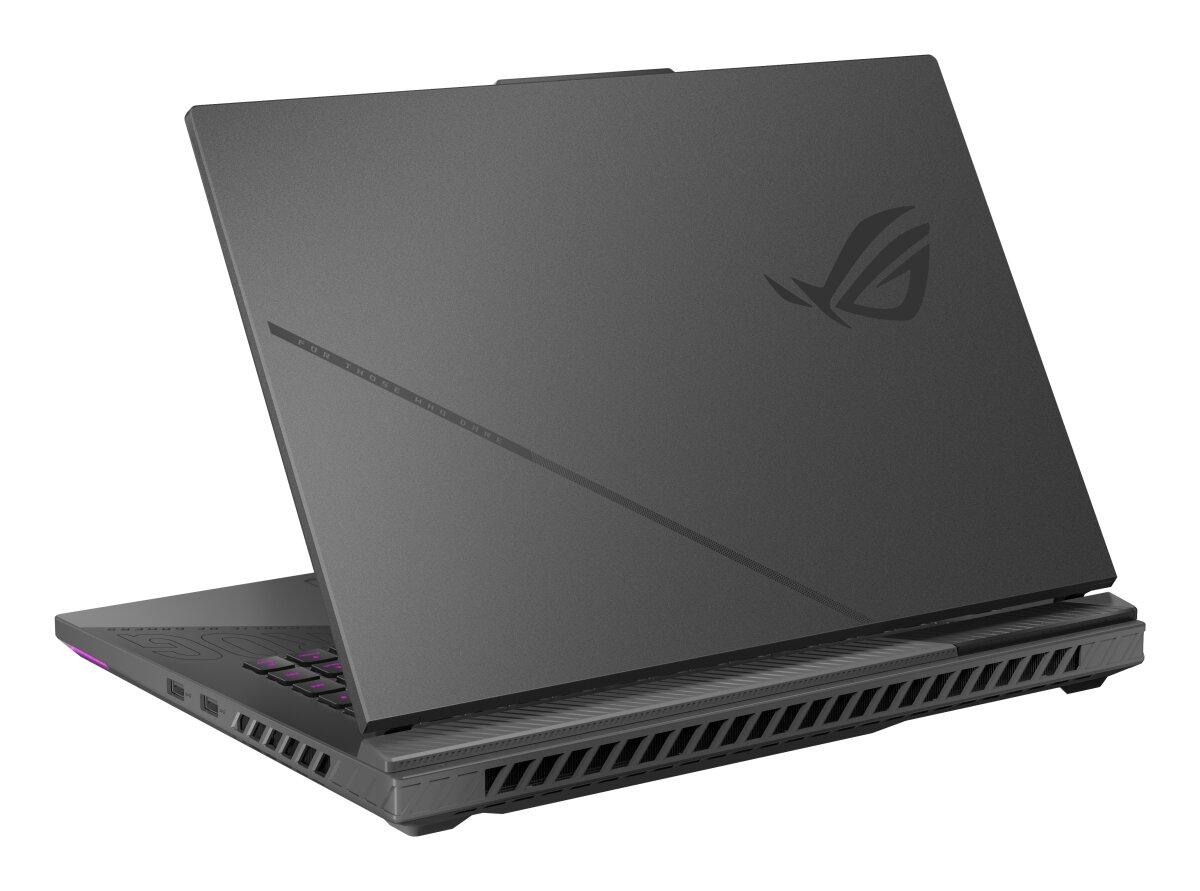
The ASUS ROG Strix G16 G614PP-RV030W supports DDR5-SDRAM memory upgrades through two SO-DIMM slots. Maximum compatible RAM capacity reaches 64 GB total. Memory specifications include DDR5-5600 MHz frequency support. Current upgrade specifications enable configuration of high-performance memory modules within the laptop's dual-slot architecture. Compatibility with DDR5 standard ensures access to modern memory technology for enhanced system performance.
Memory Upgrade Specifications
| Specification | Value |
|---|---|
| Memory slots | 2x SO-DIMM |
| Form factor | SO-DIMM |
| Memory type | DDR5-SDRAM |
| Frequency | 5600 MHz |
| Maximum RAM | 64 GB |
| Voltage | 1.1V |
| Number of pins | 262-pin |
| Interface | PC5 |
| PC Speed Rating | PC5-5600 (PC5-44800) |
| Bandwidth | 44.8 GB/s |
Additional Notes
- The DDR5-SDRAM architecture in the ASUS ROG G614PP-RV030W operates exclusively with DDR5 modules, making DDR4 or earlier generation memory physically and electrically incompatible.
- The 2x SO-DIMM configuration requires matched pairs operating in dual-channel mode to achieve full memory bandwidth, as single-module installations will reduce theoretical throughput by approximately 50%.
- The 64 GB ceiling translates to a maximum of 32 GB per slot, which currently represents the upper density limit for consumer-grade SO-DIMM DDR5 modules.
- The 5600 MHz specification represents the officially validated speed, though the memory controller may accept higher-frequency modules by downclocking them to this baseline rate.
- Installing mismatched module capacities across the 2 slots will still enable dual-channel operation but only for the capacity range where both modules overlap, with excess capacity on the larger module reverting to single-channel mode.
- SO-DIMM modules for DDR5 operate at 1.1 volts nominally, meaning older DDR4 SO-DIMMs requiring 1.2 volts cannot function in these slots despite potential physical similarities.
- Mixing modules with different CAS latencies will force all installed memory to operate at the slowest common timing across both slots.
- The absence of ECC designation in specifications indicates standard unbuffered memory, making registered or error-correcting modules incompatible with this platform.
- Factory-installed memory typically remains covered under system warranty when replaced with manufacturer-approved specifications, though third-party module installation may require documentation for warranty claims.
- The 5600 MHz native frequency eliminates the need for BIOS-level XMP profile activation in most scenarios, as DDR5 JEDEC standards include this speed within default specifications.