ASUS ROG G614PP-S5032W RAM upgrade specifications

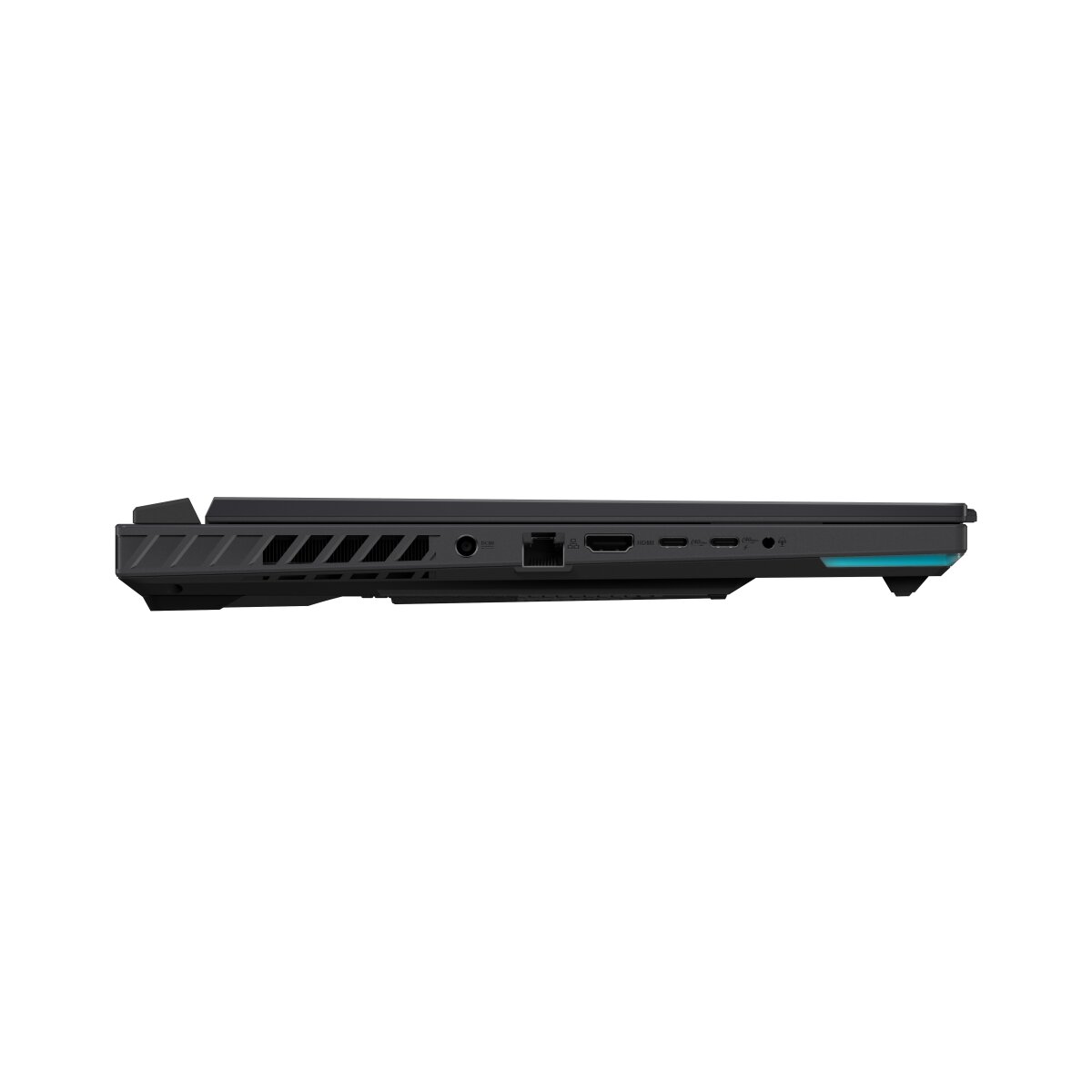
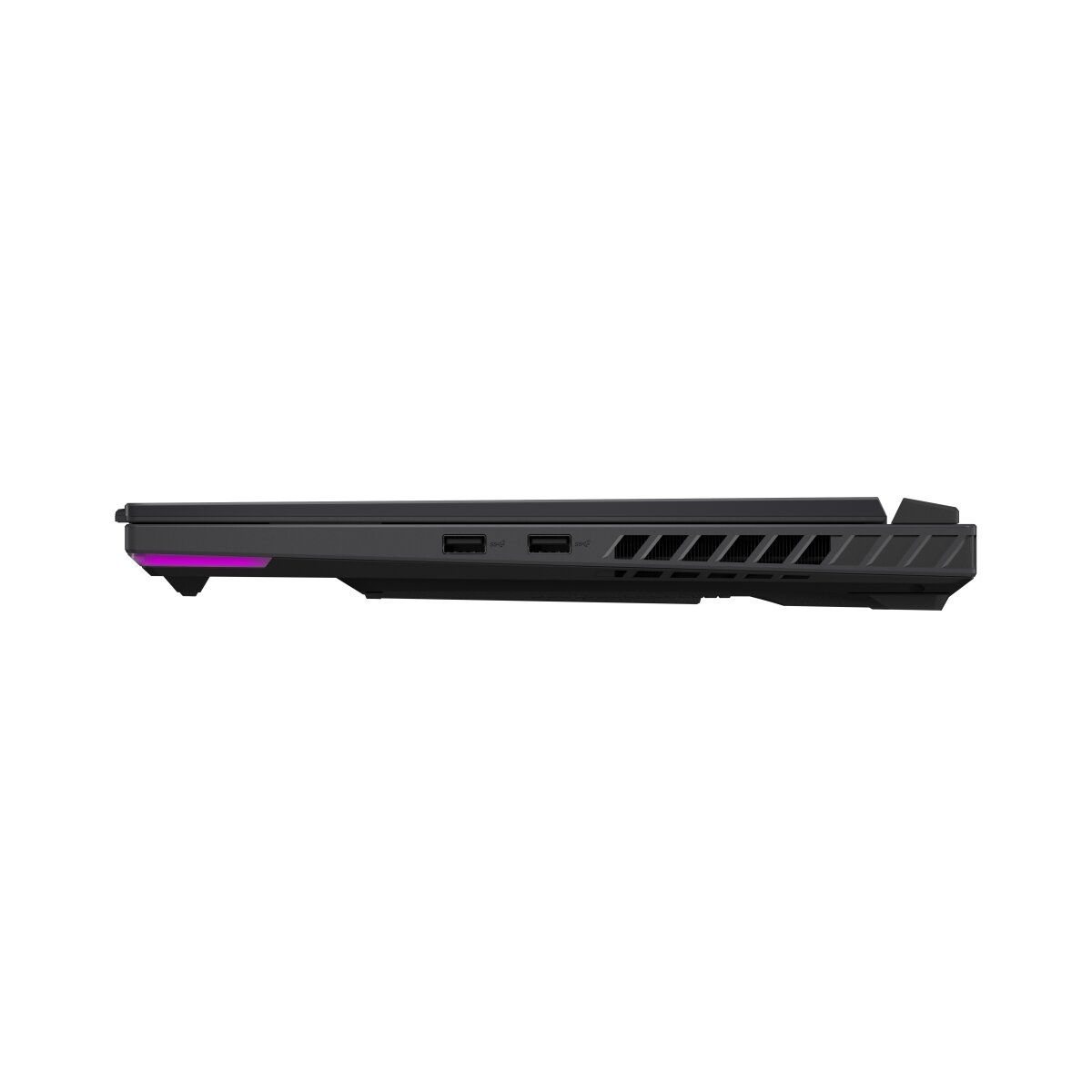
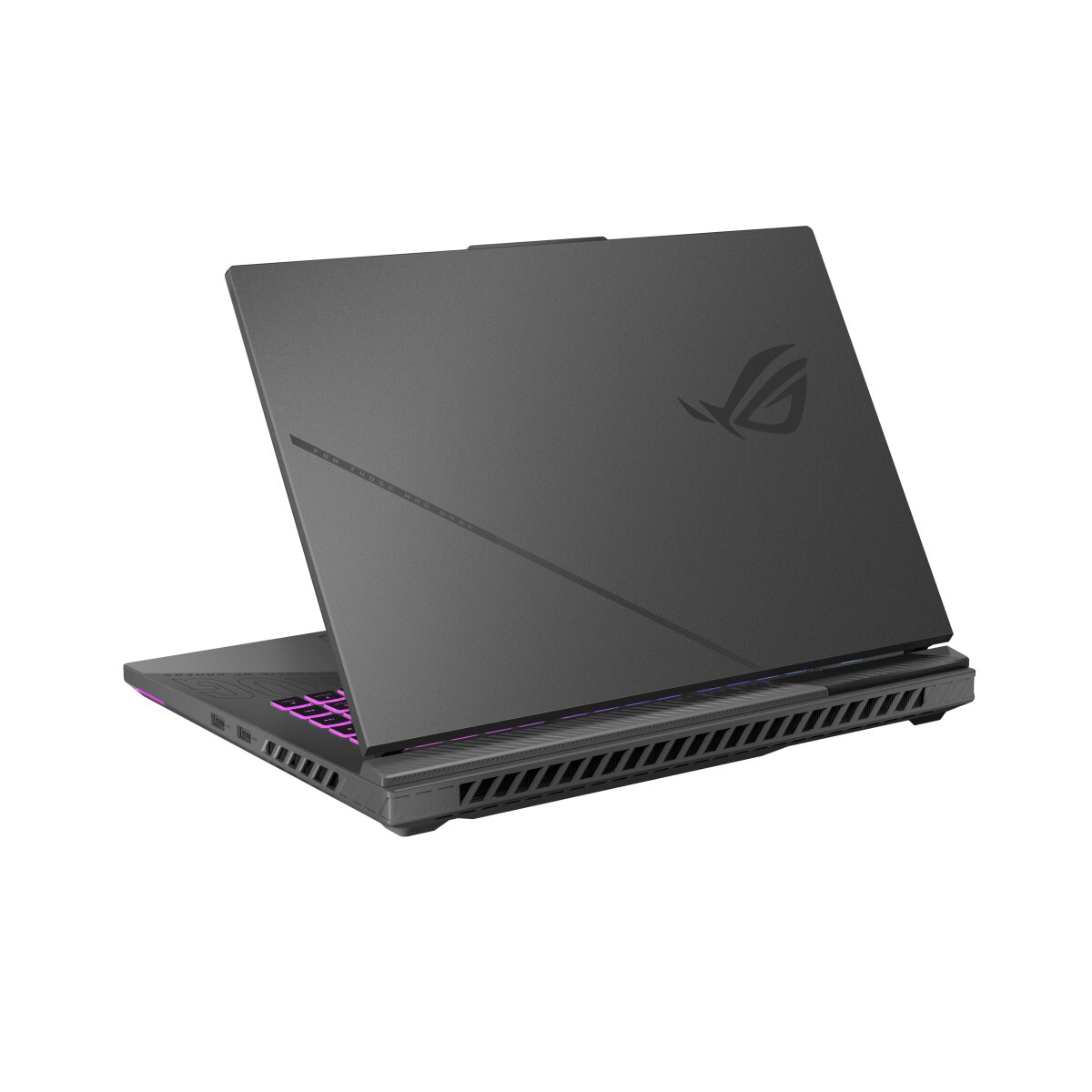
The ASUS ROG Strix G16 G614PP-S5032W laptop features two SO-DIMM slots for DDR5-SDRAM memory upgrade. The system supports a maximum RAM capacity of 64 GB, with compatible modules operating at 5200 MHz frequency. Current memory specifications and upgrade compatibility information are available for this gaming laptop model. Specifications include dual SO-DIMM memory slots and DDR5-SDRAM support for enhanced multitasking performance.
Memory Upgrade Specifications
| Specification | Value |
|---|---|
| Memory slots | 2x SO-DIMM |
| Form factor | SO-DIMM |
| Memory type | DDR5-SDRAM |
| Frequency | 5200 MHz |
| Maximum RAM | 64 GB |
| Voltage | 1.1V |
| Number of pins | 262-pin |
| Interface | PC5 |
| PC Speed Rating | PC5-5200 (PC5-41600) |
| Bandwidth | 41.6 GB/s |
Additional Notes
- The 2 SO-DIMM slot configuration limits expansion to a maximum of 64 GB total capacity, achieved only when both slots contain 32 GB modules. Single-slot upgrades require purchasing matched pairs to maintain dual-channel memory architecture and avoid performance degradation.
- DDR5-5200 MHz support establishes a performance ceiling for memory subsystem throughput. Modules rated above 5200 MHz will operate at reduced specifications, creating no performance benefit from higher-speed purchases and introducing incompatibility risk if firmware does not support JEDEC fallback protocols.
- SO-DIMM form factor restricts the ASUS ROG G614PP-S5032W to mobile-grade memory modules exclusively. Desktop DDR5 UDIMM modules are physically incompatible and cannot be installed, eliminating any potential to leverage lower-cost desktop inventory.
- The 64 GB ceiling combined with 2 available slots means upgrade paths are fixed at 2x32 GB configuration only. Intermediate capacities (48 GB, 56 GB) cannot be achieved, forcing users to either maintain current capacity or upgrade to maximum in a single purchase.
- DDR5 SO-DIMM modules with 5200 MHz specification rating remain limited in third-party availability compared to standard DDR4 laptop memory, potentially extending procurement lead times and reducing price competition among vendors.
- Existing memory modules may operate at reduced frequency when populated alongside new DDR5 modules if firmware does not support asymmetric speed configuration, necessitating validation before mixed-generation upgrades are attempted.