ASUS ROG G614PR-DB96-CA RAM upgrade specifications




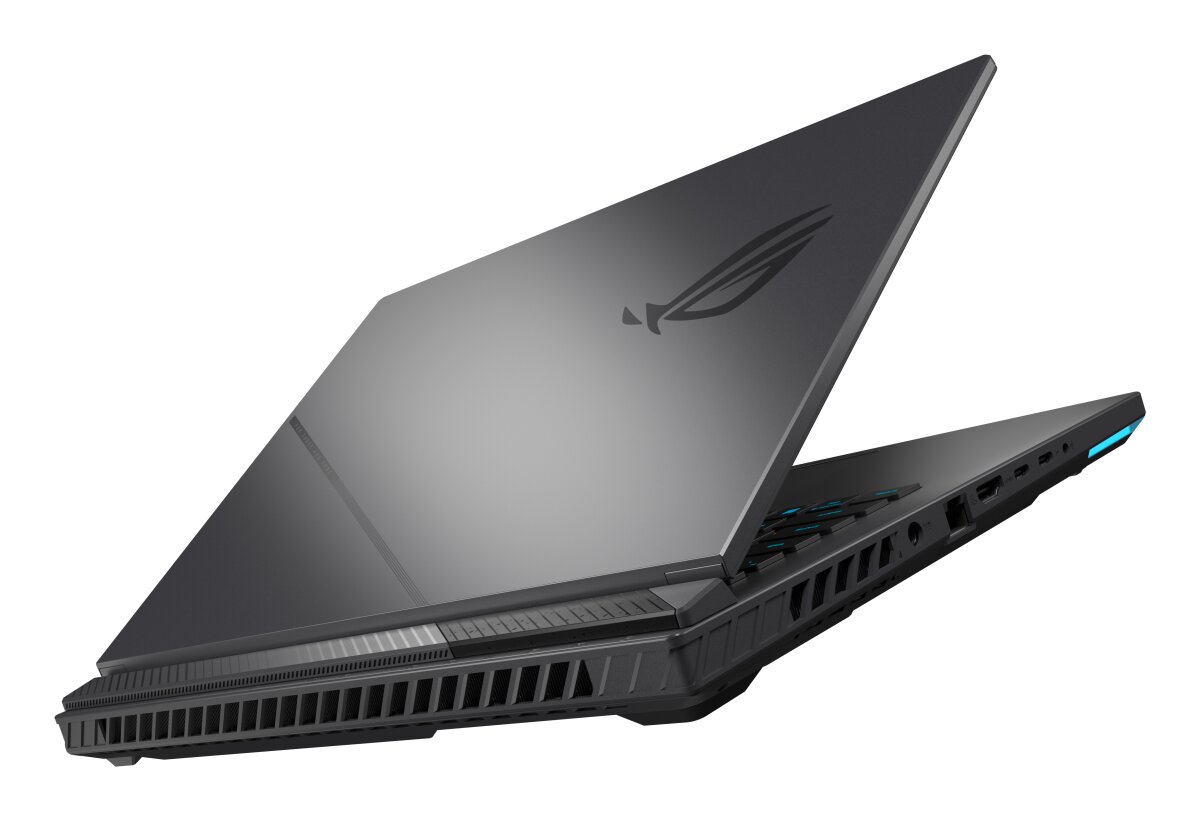
The ASUS ROG Strix G16 G614PR-DB96-CA gaming laptop features DDR5-SDRAM memory upgrade capabilities. The system includes 2x SO-DIMM slots supporting maximum capacity of 64 GB RAM. Compatible DDR5 modules operate at 5200 MHz frequency. Specifications indicate SO-DIMM form factor memory modules are required for upgrades to this particular notebook model.
Memory Upgrade Specifications
| Specification | Value |
|---|---|
| Memory slots | 2x SO-DIMM |
| Form factor | SO-DIMM |
| Memory type | DDR5-SDRAM |
| Frequency | 5200 MHz |
| Maximum RAM | 64 GB |
| Voltage | 1.1V |
| Number of pins | 262-pin |
| Interface | PC5 |
| PC Speed Rating | PC5-5200 (PC5-41600) |
| Bandwidth | 41.6 GB/s |
Additional Notes
- The ASUS ROG G614PR-DB96-CA contains 2 SO-DIMM slots, which constrains maximum capacity to 64 GB total when populated with 32 GB modules, limiting configurations for memory-intensive workloads such as virtual machine hosting, 3D rendering, or large dataset processing.
- DDR5-5200 MHz operation requires compatible DDR5 SO-DIMM modules rated for 5200 MHz minimum; mixing with lower-frequency DDR5 variants will downclock the entire memory subsystem to the slowest module's specification, reducing effective bandwidth by up to 15% versus native speed operation.
- SO-DIMM form factor physically restricts upgrade options to laptop-grade memory modules; desktop DDR5 UDIMM modules are mechanically incompatible and cannot be installed, eliminating cost advantages from consumer-grade alternatives.
- The 2-slot architecture creates a single point of upgrade failure; loss of one module reduces system RAM by 50% without redundancy, whereas 4-slot designs distribute this risk across more modules.
- Dual-channel memory architecture on 2 SO-DIMM slots functions optimally only when both slots are populated symmetrically; single-module configurations or mismatched capacities may trigger single-channel fallback mode, reducing memory bandwidth by approximately 50% and increasing CPU latency to cache misses.
- DDR5-5200 MHz operation generates measurable thermal load in confined laptop chassis; sustained memory-intensive applications may require thermal paste replacement around memory slot areas to prevent thermal throttling of adjacent components.