ASUS ROG G614PR-RV031 RAM upgrade specifications


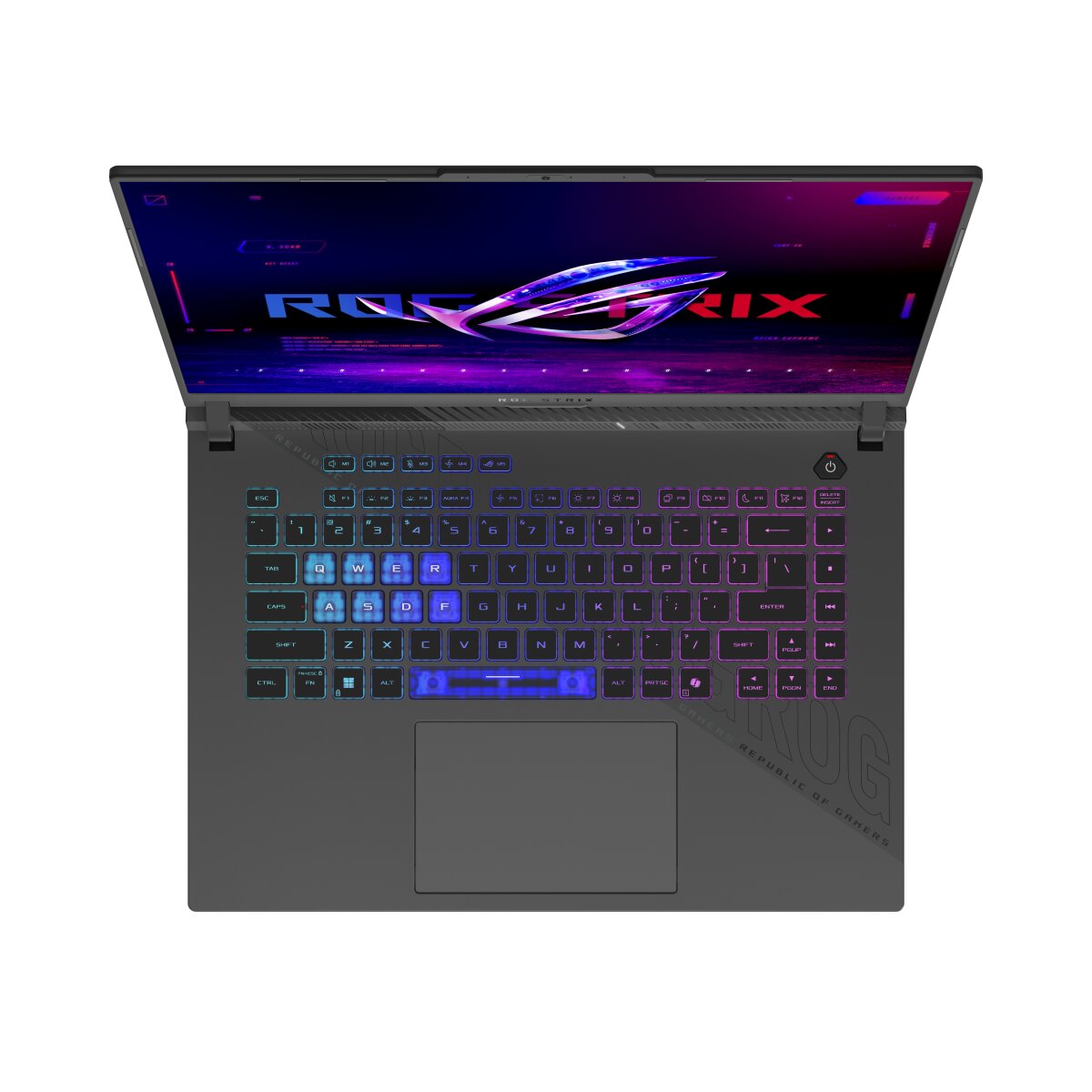
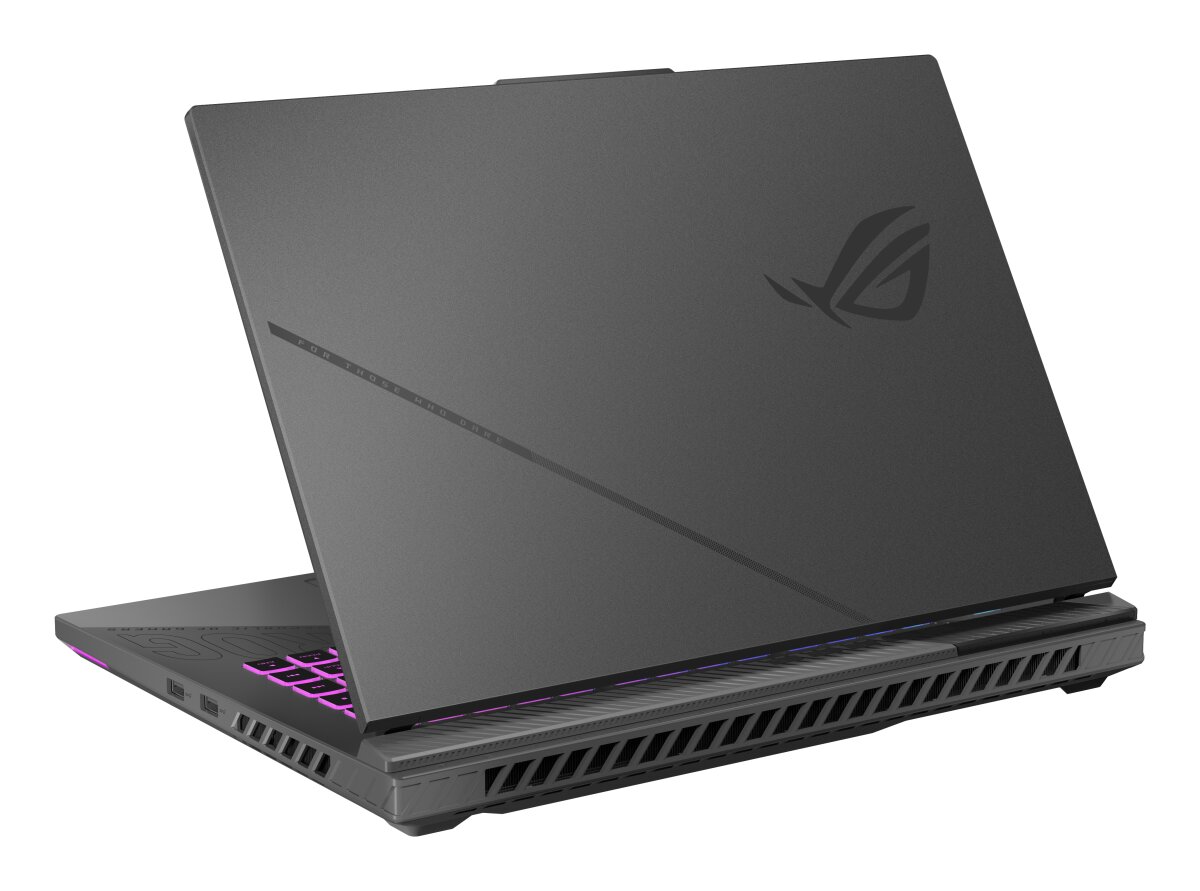
ASUS ROG Strix G16 model G614PR-RV031 contains two SO-DIMM slots for memory upgrade capabilities. The laptop supports DDR5-SDRAM operating at 5200 MHz frequency. Maximum RAM capacity reaches 64 GB total. Compatible upgrade modules must utilize SO-DIMM form factor specifications. Current memory configuration allows for modular expansion through the two available slots. Specifications indicate DDR5 compatibility for enhanced performance in gaming and professional workload scenarios.
Memory Upgrade Specifications
| Specification | Value |
|---|---|
| Memory slots | 2x SO-DIMM |
| Form factor | SO-DIMM |
| Memory type | DDR5-SDRAM |
| Frequency | 5200 MHz |
| Maximum RAM | 64 GB |
| Voltage | 1.1V |
| Number of pins | 262-pin |
| Interface | PC5 |
| PC Speed Rating | PC5-5200 (PC5-41600) |
| Bandwidth | 41.6 GB/s |
Additional Notes
- The presence of 2 SO-DIMM slots confirms that reaching the maximum 64 GB capacity requires the removal of both pre-installed modules to accommodate a pair of 32 GB sticks.
- Dual-channel symmetry provides the necessary bandwidth to prevent CPU processing delays during intensive computational tasks or high-resolution rendering.
- The ASUS ROG G614PR-RV031 motherboard architecture dictates a hard ceiling on memory density, meaning modules exceeding 32 GB per slot will result in a failure to post.
- Upgrading with memory speeds higher than 5200 MHz will result in automatic downclocking to the system bus limit, offering no functional performance benefit for the additional cost.
- Transitioning from a single-module configuration to a populated dual-slot setup significantly reduces latency by doubling the available memory bus width.
- Physical access to the memory slots involves removing the base panel, which requires careful handling of the internal ribbon cables to maintain the integrity of the integrated lighting system.
- Standard DDR5 voltage requirements remain consistent across compatible SO-DIMM modules, ensuring that thermal output from the RAM stays within the designed heat dissipation parameters of the chassis.