ASUS ROG G615JH-DS54 RAM upgrade specifications
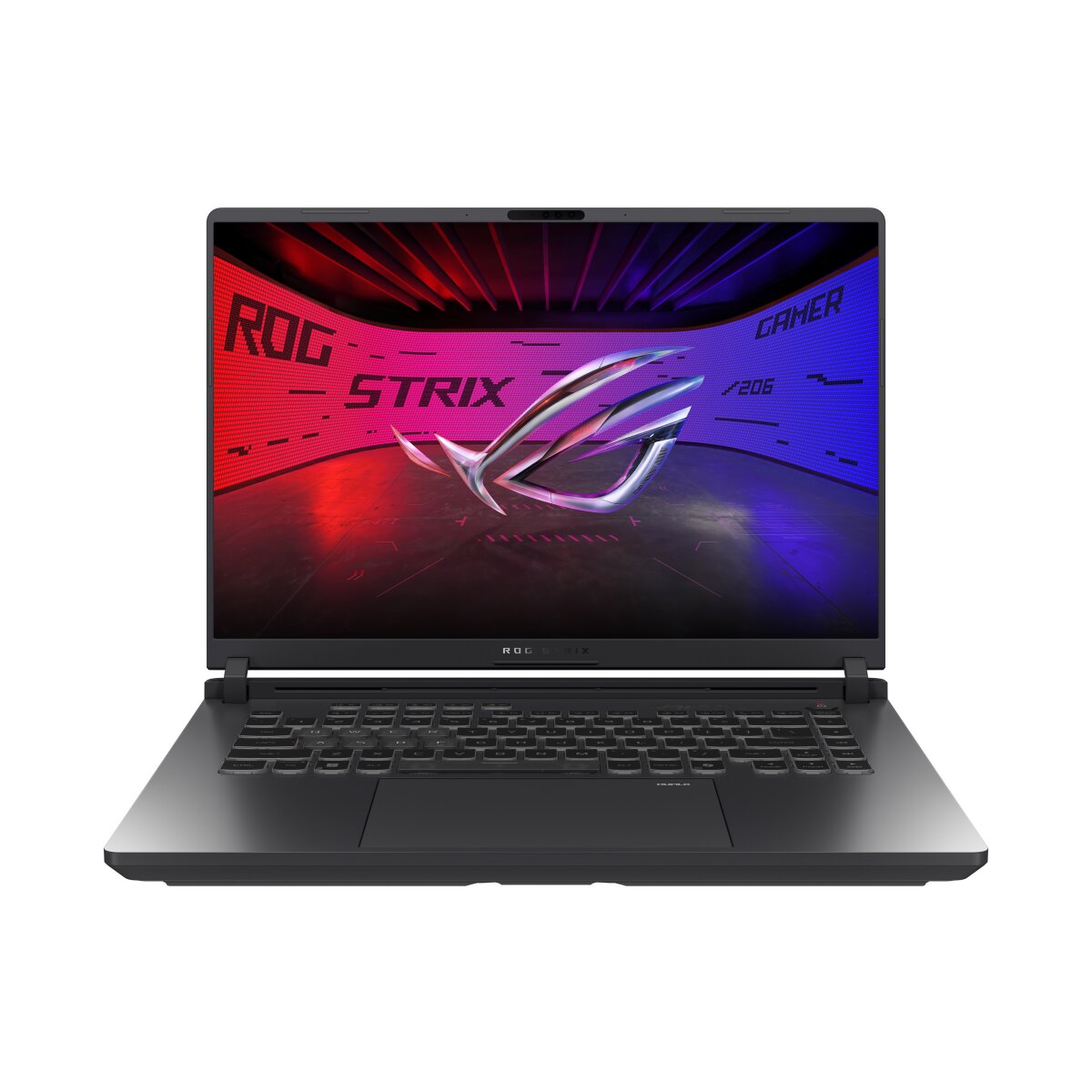
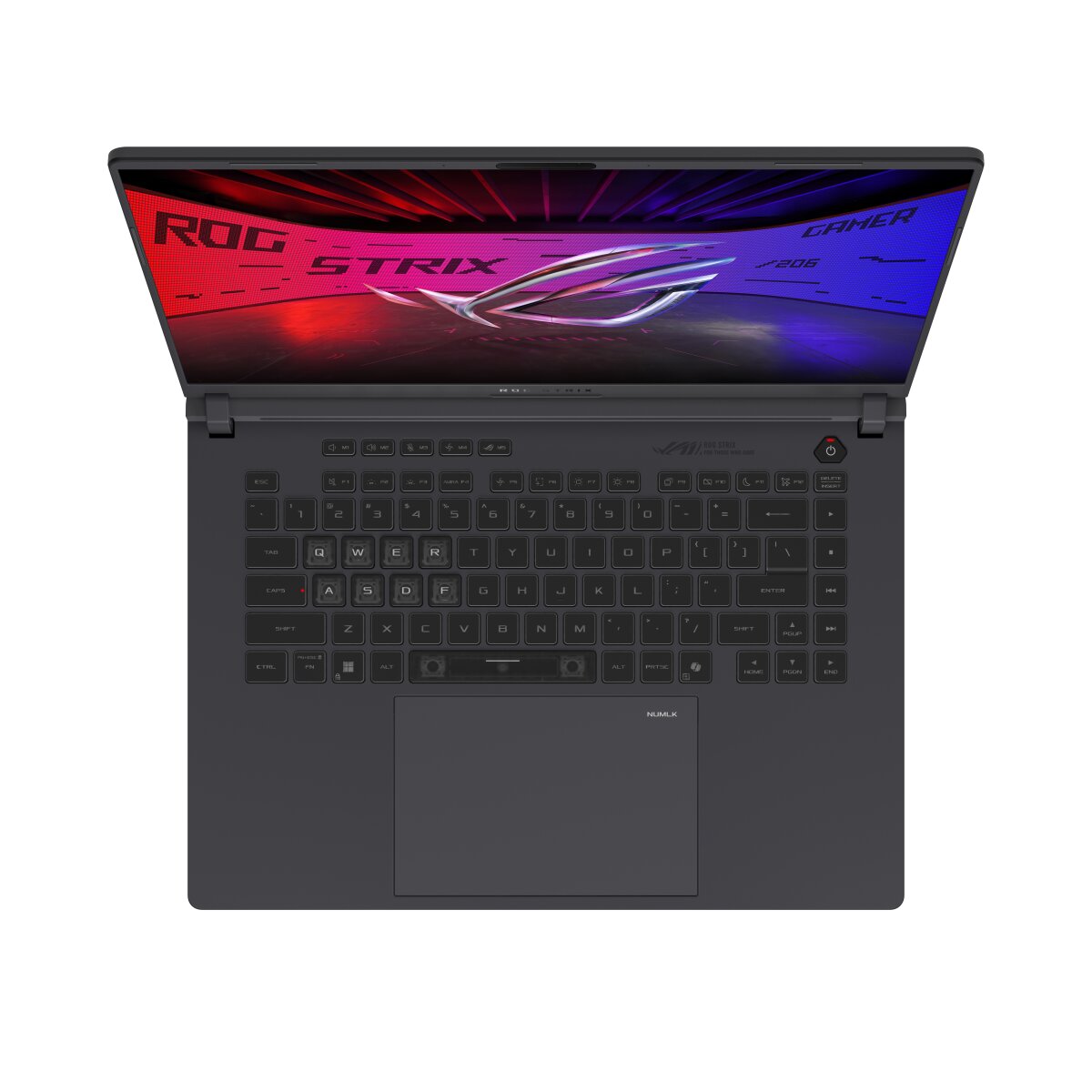
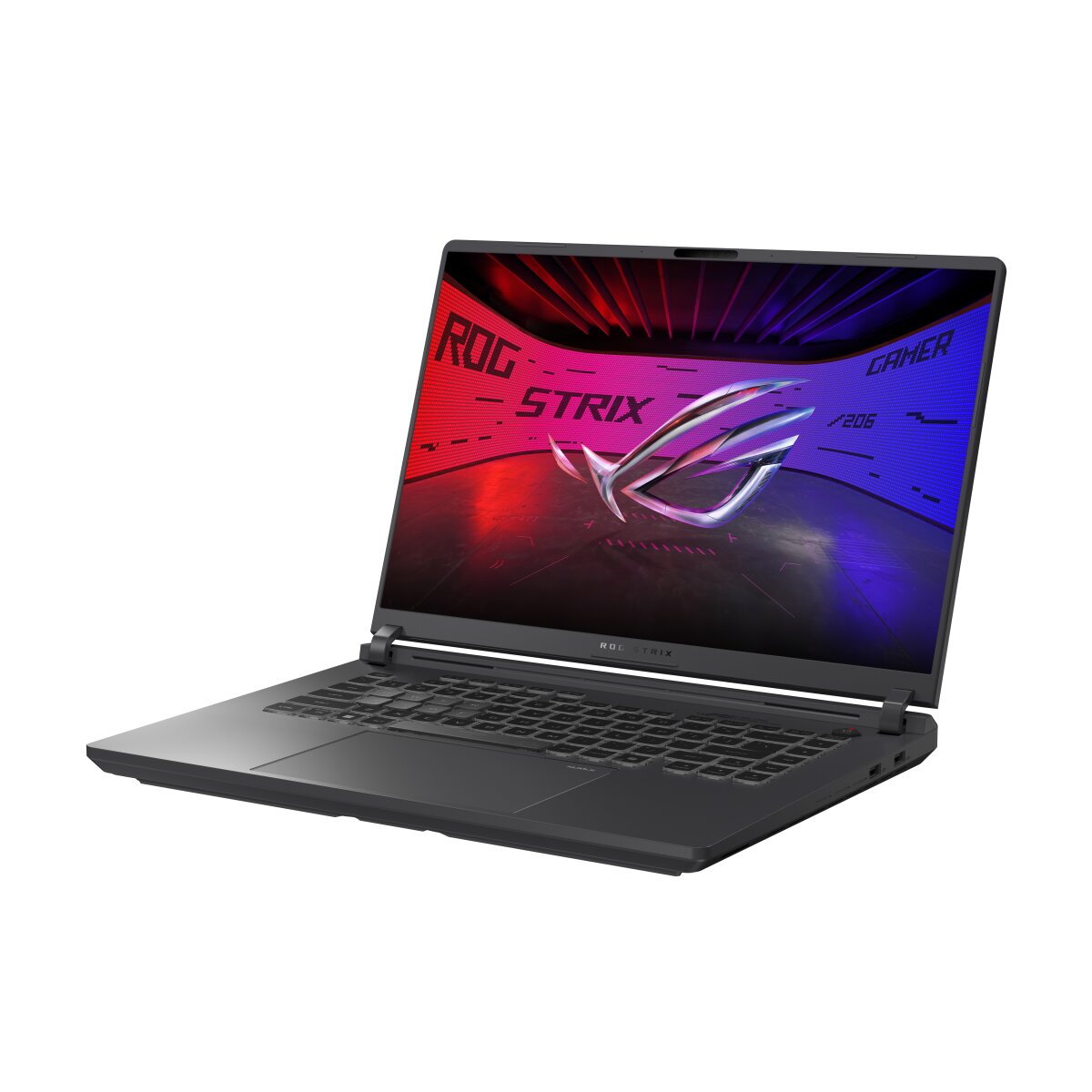

ASUS ROG Strix G16 G615JH-DS54 laptop features DDR5-SDRAM memory with two SO-DIMM slots supporting maximum RAM capacity of 64 GB. Memory upgrade specifications include DDR5-SDRAM modules operating at 5600 MHz frequency. Compatible memory configurations allow installation of matching pairs in both slots for optimal performance. Existing slots accommodate SO-DIMM form factor upgrades. Maximum supported capacity reaches 64 GB total when dual modules are installed. Specifications indicate DDR5 technology compatibility with standard laptop memory upgrade procedures.
Memory Upgrade Specifications
| Specification | Value |
|---|---|
| Memory slots | 2x SO-DIMM |
| Form factor | SO-DIMM |
| Memory type | DDR5-SDRAM |
| Frequency | 5600 MHz |
| Maximum RAM | 64 GB |
| Voltage | 1.1V |
| Number of pins | 262-pin |
| Interface | PC5 |
| PC Speed Rating | PC5-5600 (PC5-44800) |
| Bandwidth | 44.8 GB/s |
Additional Notes
- The ASUS ROG G615JH-DS54 supports DDR5 memory, which operates at significantly higher bandwidth than DDR4, enabling faster data transfer rates for gaming and multimedia workloads, though this advantage diminishes in CPU-bound tasks with memory latency constraints.
- The 2x SO-DIMM slot configuration limits upgrade modularity; both slots must be populated simultaneously to achieve dual-channel performance, and a single-slot upgrade path does not exist without replacing the existing module.
- The 64 GB maximum capacity ceiling accommodates current gaming and content creation workflows, but future software releases with higher memory demands may necessitate complete module replacement rather than incremental expansion within 5 years.
- DDR5-5600 MHz frequency requires validated compatibility with the laptop's memory controller; installing modules rated for higher speeds (5600 MHz+) will downclock to 5600 MHz, while lower-rated modules may cause system instability or boot failures.
- SO-DIMM form factor is proprietary to mobile platforms and cannot be repurposed in desktop systems; this creates a locked upgrade ecosystem with limited secondary market availability compared to standard DIMM modules.
- Warranty preservation depends on purchasing OEM-qualified DDR5 modules; third-party memory carries thermal and compatibility risks that may void hardware guarantees if system failures occur post-installation.
- Latency performance of DDR5-5600 modules typically ranges 40-50 nanoseconds; this higher latency than DDR4 equivalents means per-task responsiveness gains are offset by reduced CPU clock-for-clock efficiency in latency-sensitive gaming scenarios.