ASUS ROG G615JH-RV053-GAMING RAM upgrade specifications




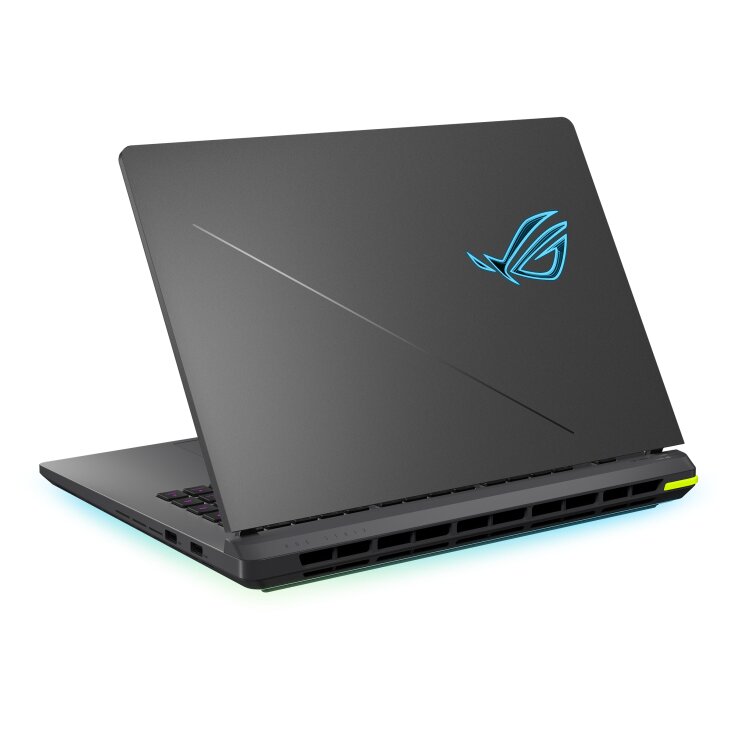
The ASUS ROG Strix G16 G615JH-RV053-GAMING gaming laptop features DDR5-SDRAM memory upgrade specifications. The system accommodates 2x SO-DIMM slots with maximum RAM capacity of 64 GB total. Compatible memory modules operate at 5600 MHz frequency using the SO-DIMM form factor. Upgrade specifications enable users to expand memory capacity for enhanced multitasking performance in gaming and professional applications.
Memory Upgrade Specifications
| Specification | Value |
|---|---|
| Memory slots | 2x SO-DIMM |
| Form factor | SO-DIMM |
| Memory type | DDR5-SDRAM |
| Frequency | 5600 MHz |
| Maximum RAM | 64 GB |
| Voltage | 1.1V |
| Number of pins | 262-pin |
| Interface | PC5 |
| PC Speed Rating | PC5-5600 (PC5-44800) |
| Bandwidth | 44.8 GB/s |
Additional Notes
- The ASUS ROG G615JH-RV053-GAMING supports DDR5 modules exclusively, eliminating backward compatibility with DDR4 or older generation memory technologies.
- The 64 GB maximum capacity indicates a chipset limitation requiring 32 GB modules in both slots to reach full expansion potential.
- SO-DIMM form factor restricts upgrade options to laptop-specific modules, preventing use of standard desktop DIMM memory sticks regardless of generation compatibility.
- Native 5600 MHz frequency support enables JEDEC standard operation without requiring XMP profile activation or BIOS adjustments for rated speed achievement.
- Dual-slot configuration permits single-module operation but sacrifices dual-channel bandwidth, reducing memory throughput by approximately 50 percent compared to matched pair installations.
- DDR5 voltage standards operate at 1.1V compared to DDR4's 1.2V specification, making cross-generation mixing physically and electrically incompatible.
- The 5600 MHz specification represents the baseline speed, with higher frequency modules potentially underclocking to this standard unless motherboard firmware explicitly supports enhanced speeds.
- Mixed capacity configurations remain functional but may disable interleaving optimizations, creating asymmetric channel population that impacts bandwidth efficiency.
- Manufacturer-installed modules typically occupy both slots in gaming configurations, necessitating complete replacement rather than supplementary expansion when upgrading beyond factory specifications.
- SO-DIMM retention clips differ from desktop mechanisms, requiring lateral pressure release rather than vertical angle insertion during physical installation procedures.
- ECC (Error-Correcting Code) DDR5 modules maintain physical compatibility but typically remain unsupported in consumer gaming platforms, resulting in boot failures or feature disablement.
- The 64 GB ceiling reflects Intel or AMD mobile processor memory controller limits rather than slot quantity restrictions, persisting even if additional slots existed.