ASUS ROG G615JHR-DS74-CA RAM upgrade specifications
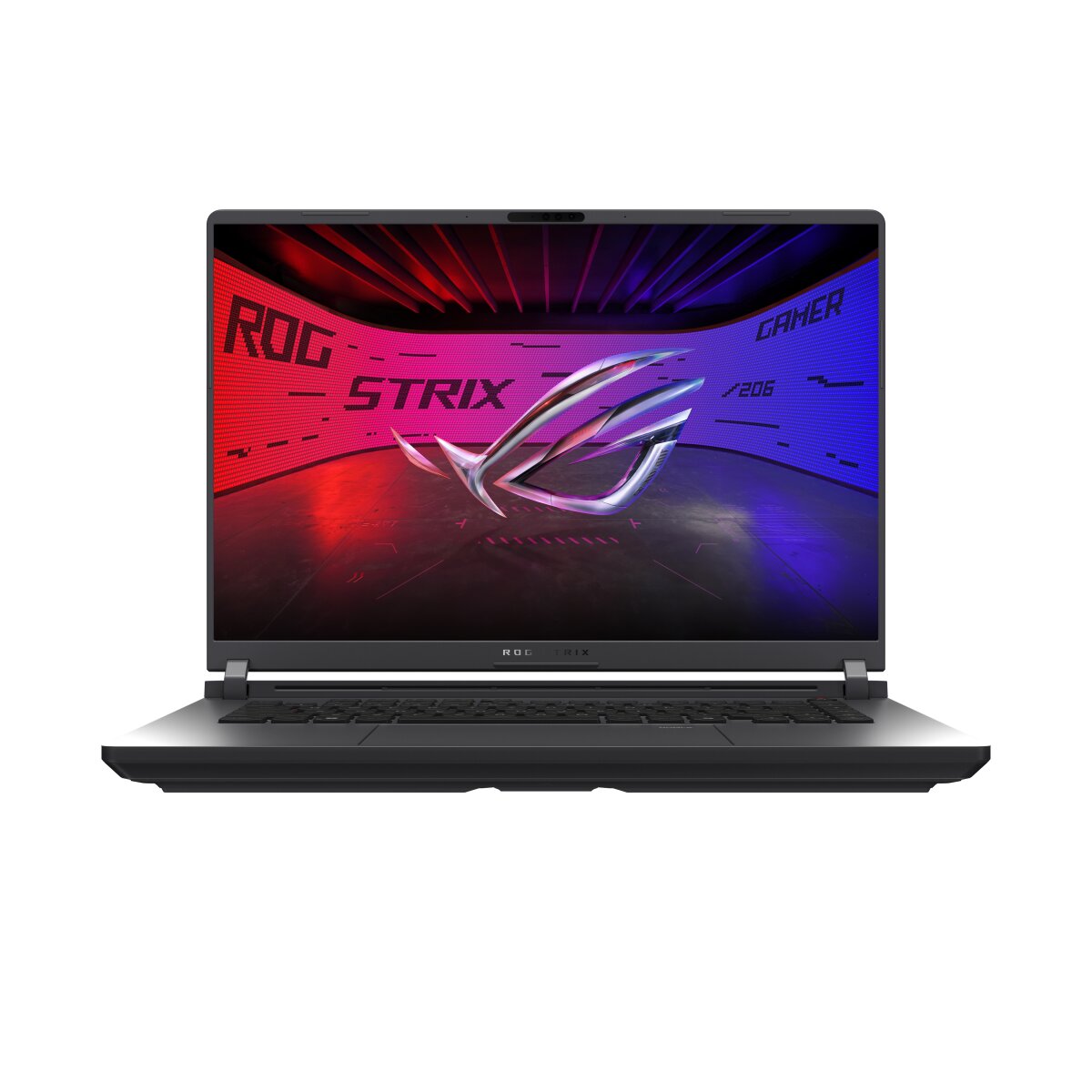



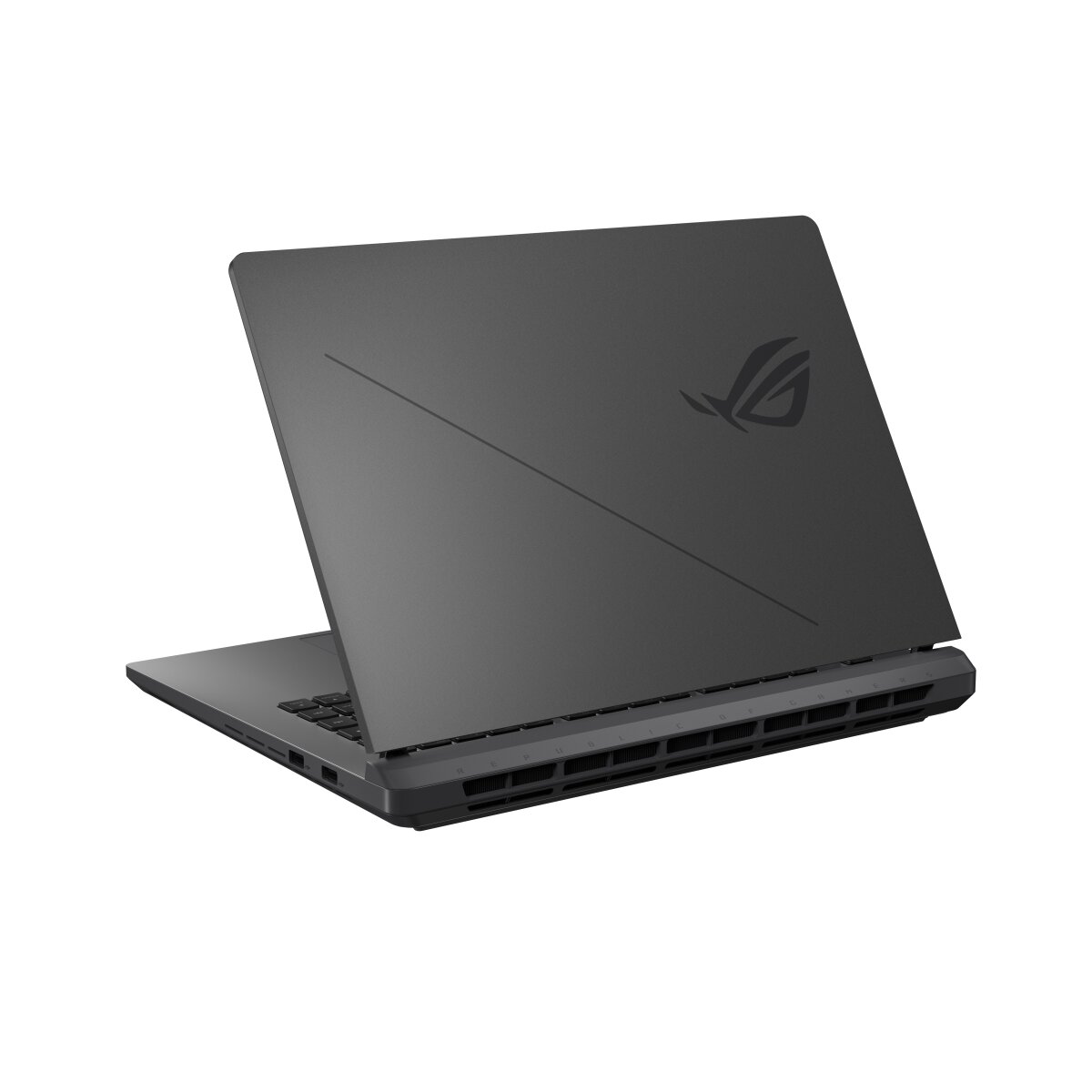
ASUS ROG Strix G16 model G615JHR-DS74-CA supports DDR5-SDRAM memory upgrades with a maximum capacity of 64 GB. The laptop contains 2x SO-DIMM slots for compatible memory modules operating at 5600 MHz frequency. Specifications indicate SO-DIMM form factor modules are required for upgrade compatibility with this gaming-class model. Current memory configurations can be expanded to the maximum supported capacity through these dual upgrade slots.
Memory Upgrade Specifications
| Specification | Value |
|---|---|
| Memory slots | 2x SO-DIMM |
| Form factor | SO-DIMM |
| Memory type | DDR5-SDRAM |
| Frequency | 5600 MHz |
| Maximum RAM | 64 GB |
| Voltage | 1.1V |
| Number of pins | 262-pin |
| Interface | PC5 |
| PC Speed Rating | PC5-5600 (PC5-44800) |
| Bandwidth | 44.8 GB/s |
Additional Notes
- The ASUS ROG G615JHR-DS74-CA system architecture limits total memory capacity to 64 GB across both slots, requiring 32 GB modules if maximum density is needed.
- DDR5-5600 represents a significant bandwidth increase over DDR4 standards, delivering theoretical transfer rates up to 44.8 GB/s per module in dual-channel configuration.
- SO-DIMM modules intended for this system must comply with JEDEC DDR5 voltage specifications of 1.1V, as higher-voltage overclocking profiles may not initialize properly in laptop firmware.
- The 5600 MHz native frequency eliminates the need for XMP or EXPO profile configuration, as JEDEC standard modules will operate at rated speed without BIOS adjustments.
- Mixing modules with different latency timings, even at matching frequencies, can force the memory controller to adopt the slower timing set, reducing effective performance.
- DDR5's dual-channel architecture per module means two SO-DIMMs provide quad-channel-like bandwidth, though this differs from true quad-channel implementations in workstation platforms.
- The 262-pin SO-DIMM connector specification for DDR5 physically prevents installation of DDR4 modules, eliminating compatibility errors from keying mismatch.
- On-die ECC functionality in DDR5 operates independently of user configuration, providing internal error correction without consuming system-level ECC resources.
- Thermal considerations for DDR5-5600 modules may require low-profile heat spreaders to maintain clearance in laptop chassis, particularly if aftermarket cooling solutions are present.
- Warranty preservation typically requires maintaining at least one factory-installed module until the coverage period expires, though specific policies vary by region and retailer.
- Power state transitions in DDR5 reduce idle consumption compared to DDR4, though active power draw at 5600 MHz remains higher than lower-frequency alternatives.
- Capacity asymmetry between slots remains functional but disables true dual-channel interleaving for the non-matched portion, creating a performance zone difference in memory addressing.