ASUS ROG G615JPR-S5003 RAM upgrade specifications
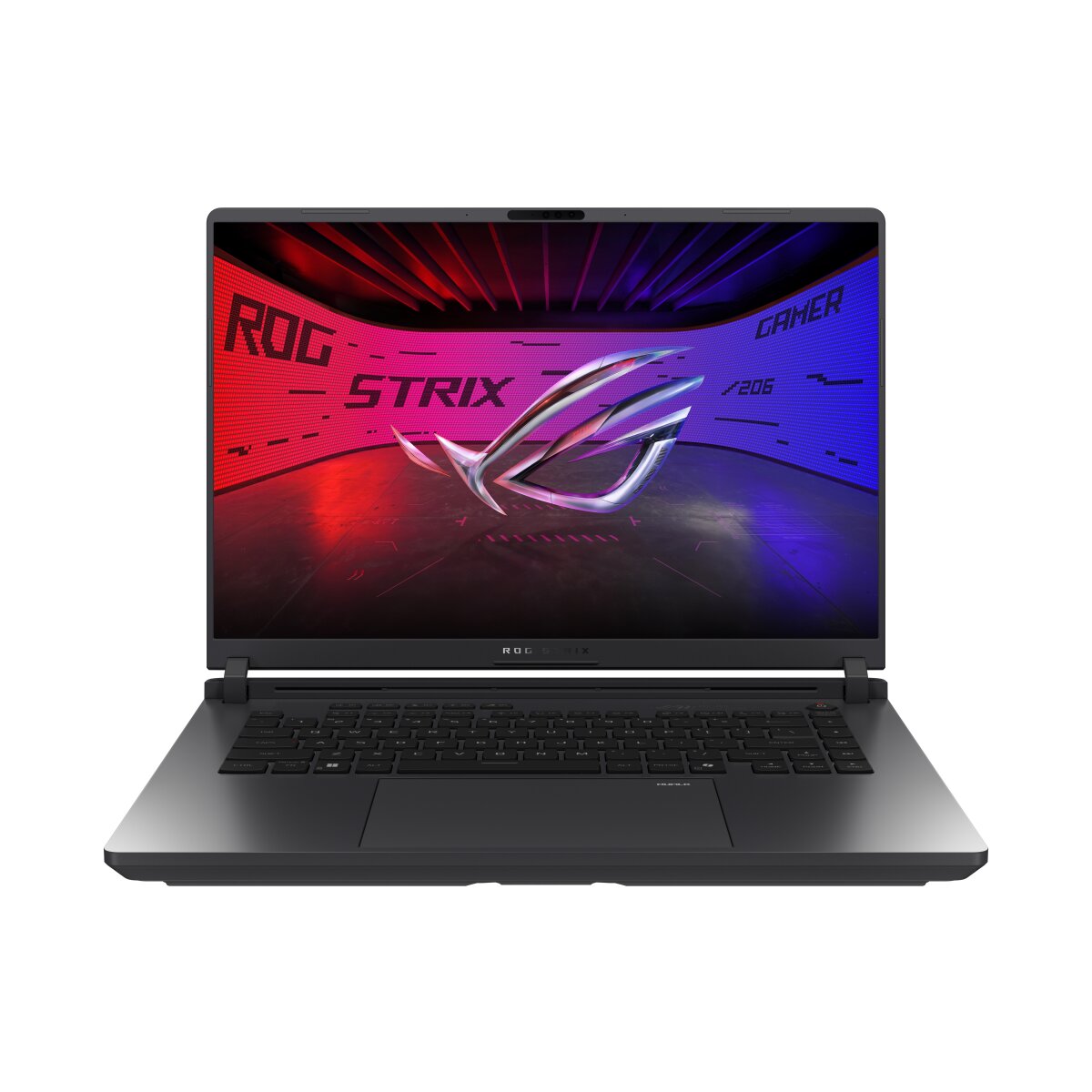
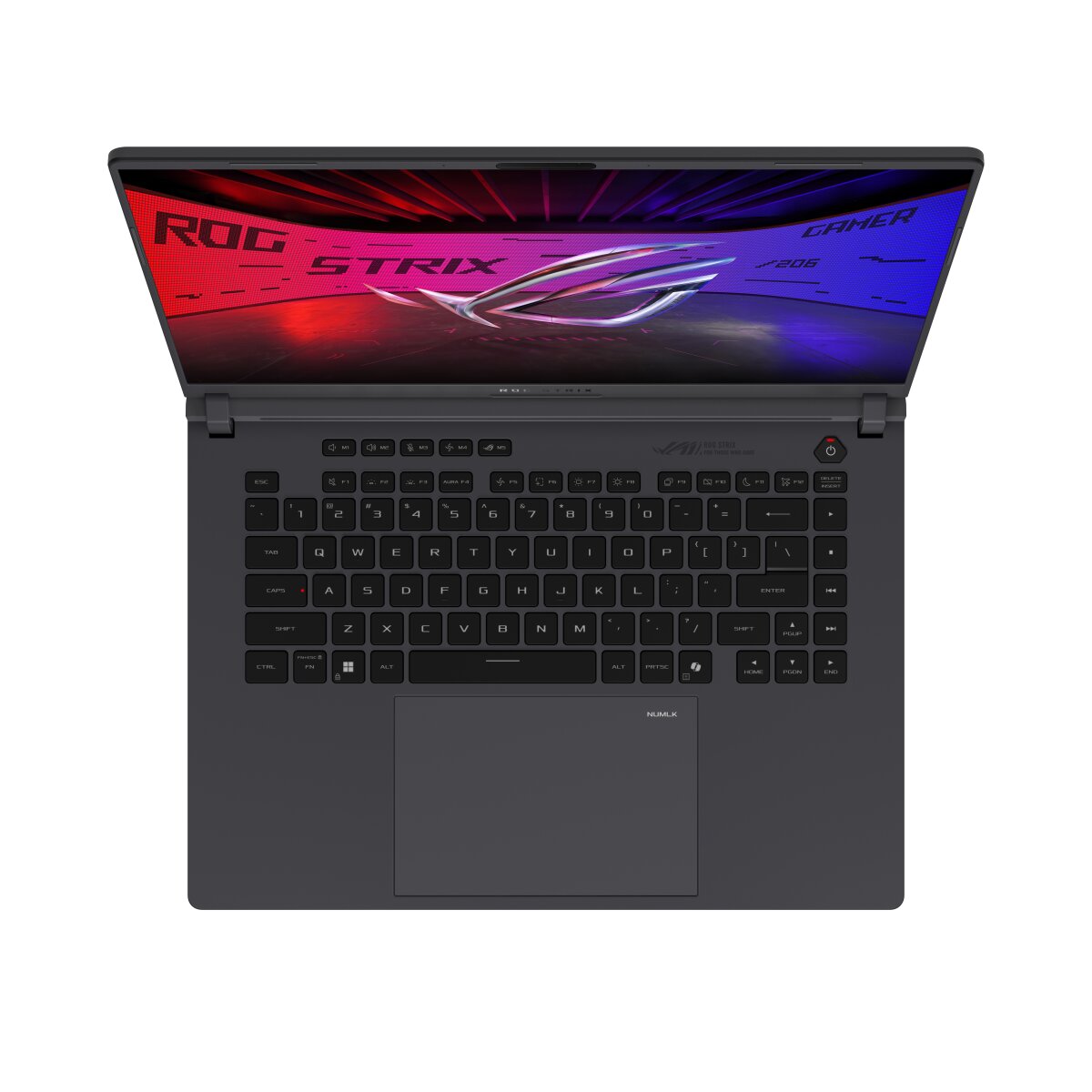
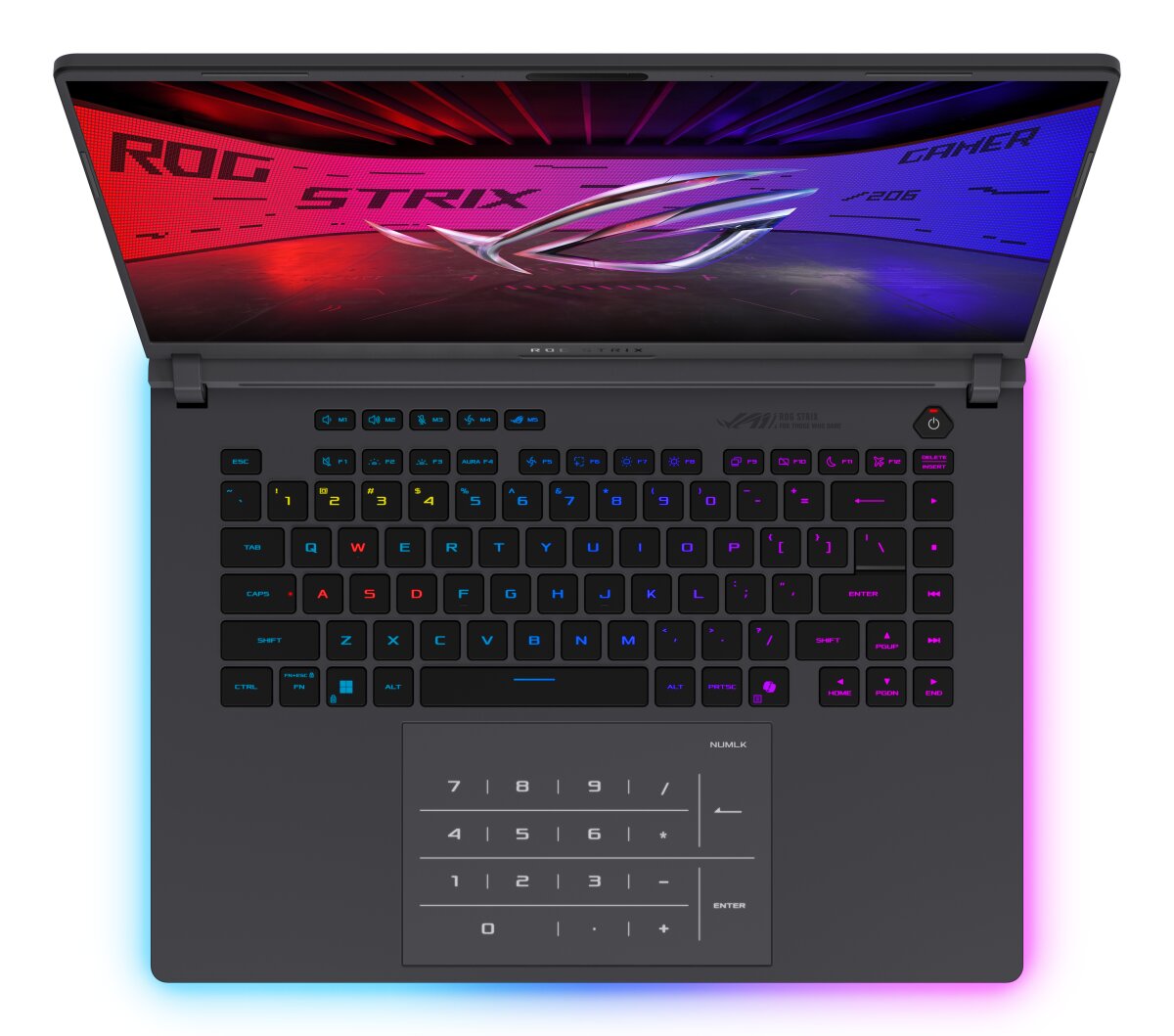

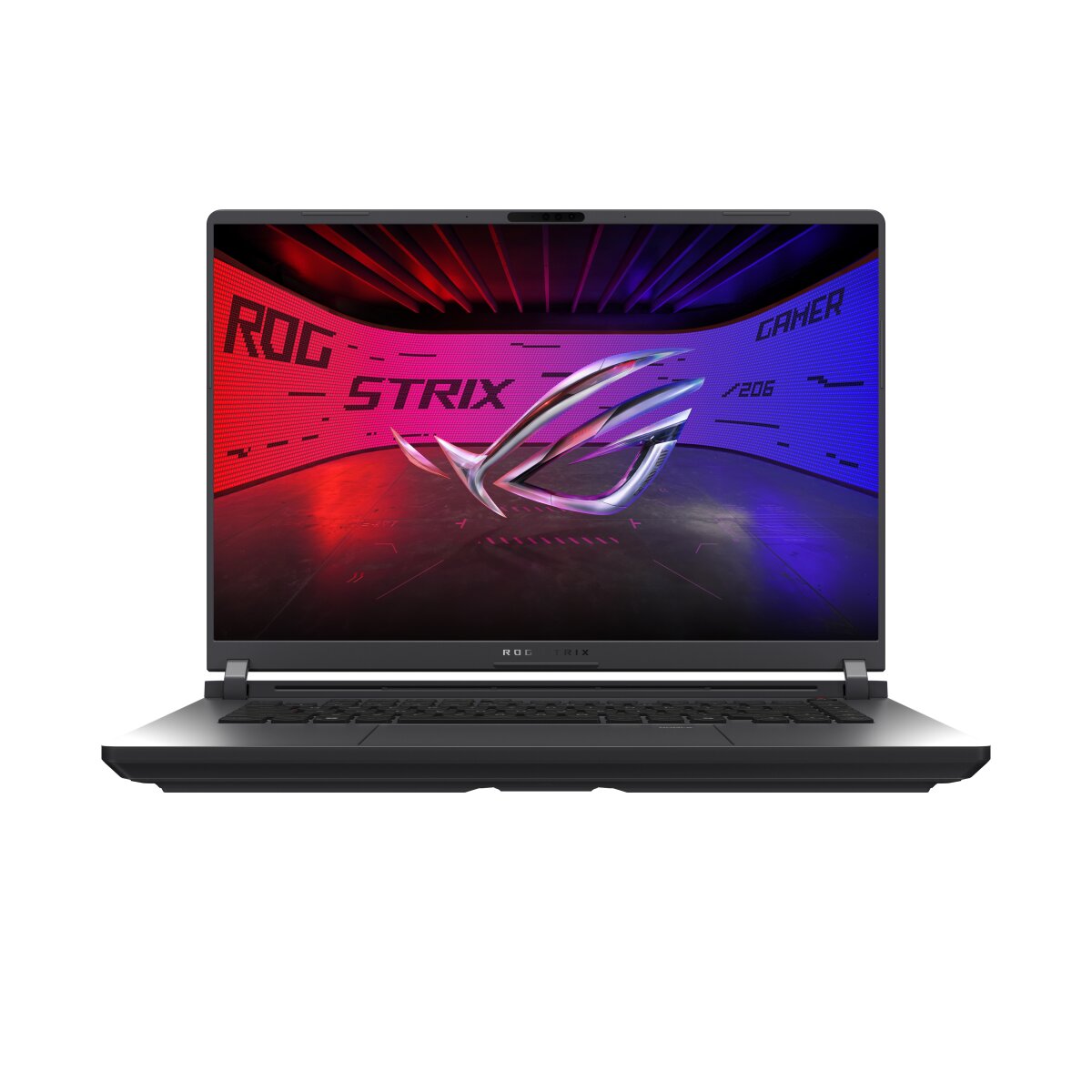
The ASUS ROG Strix G16 G615JPR-S5003 laptop features two SO-DIMM memory slots supporting DDR5-SDRAM upgrades. The upgrade specifications indicate maximum RAM capacity of 64 GB, with compatible memory operating at 5600 MHz frequency. The SO-DIMM form factor designation establishes specifications for replacement and expansion modules. Current memory configuration allows for individual slot upgrades to reach maximum capacity specifications. DDR5-SDRAM technology provides the memory standard for this gaming laptop model's upgrade path and compatibility requirements.
Memory Upgrade Specifications
| Specification | Value |
|---|---|
| Memory slots | 2x SO-DIMM |
| Form factor | SO-DIMM |
| Memory type | DDR5-SDRAM |
| Frequency | 5600 MHz |
| Maximum RAM | 64 GB |
| Voltage | 1.1V |
| Number of pins | 262-pin |
| Interface | PC5 |
| PC Speed Rating | PC5-5600 (PC5-44800) |
| Bandwidth | 44.8 GB/s |
Additional Notes
- DDR5 SO-DIMM modules operate at higher latencies than desktop DDR5 counterparts, creating a performance gap when the ASUS ROG G615JPR-S5003 prioritizes throughput over latency-sensitive workloads such as gaming at competitive frame rates.
- The 2-slot SO-DIMM configuration offers no redundancy; a single module failure eliminates half of installed memory capacity and requires replacement rather than repair.
- Reaching the 64 GB maximum requires 2x32 GB modules, which remain expensive relative to capacity and may delay cost-effective upgrade timing by 18 to 24 months until pricing normalizes.
- DDR5-5600 MHz compatibility depends on BIOS validation; adding non-certified modules may force automatic downclocking to JEDEC DDR5-4800 speeds, negating the frequency premium of higher-speed DIMMs.
- SO-DIMM physical dimensions create thermal proximity constraints; larger heatspreaders or custom cooling solutions on RAM modules may contact the display hinges or palmrest during reinstallation.
- Warranty coverage for memory upgrades typically voids coverage only if the module damages the slot during installation; purchasing matched pairs from the original equipment manufacturer preserves coverage without documentation burden.
- The 5600 MHz specification represents the platform ceiling; no benefit exists from sourcing DDR5-6400 or faster modules, as the memory controller cannot negotiate higher speeds on this architecture.