ASUS ROG G615LP-DS96-CA RAM upgrade specifications




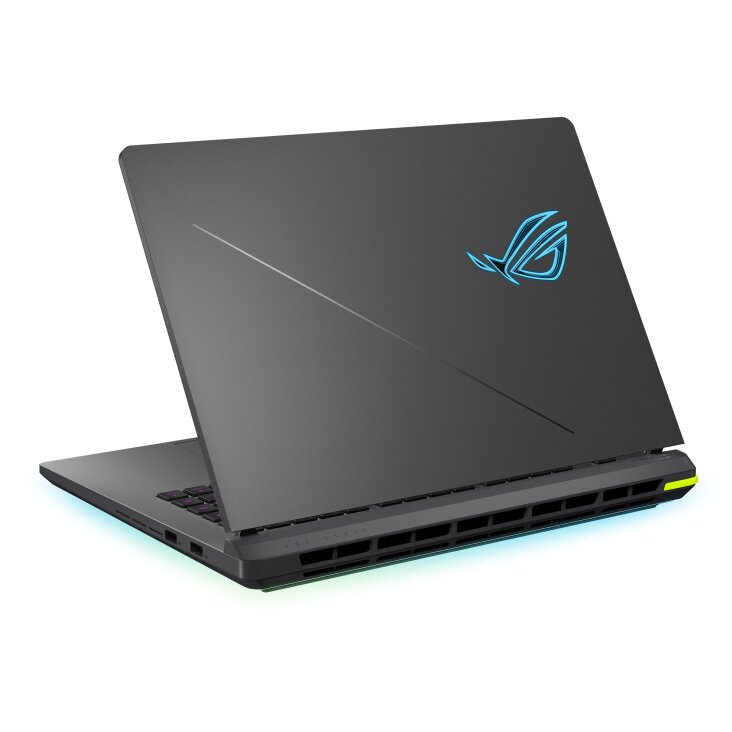
The ASUS ROG Strix G16 G615LP-DS96-CA laptop features DDR5-SDRAM memory with upgrade capabilities through 2x SO-DIMM slots. Maximum memory capacity reaches 64 GB, supporting DDR5 modules operating at 5600 MHz frequency. The compatible RAM upgrade specifications include SO-DIMM form factor modules, enabling users to expand memory from the factory configuration to the maximum supported capacity of 64 GB for enhanced multitasking and gaming performance.
Memory Upgrade Specifications
| Specification | Value |
|---|---|
| Memory slots | 2x SO-DIMM |
| Form factor | SO-DIMM |
| Memory type | DDR5-SDRAM |
| Frequency | 5600 MHz |
| Maximum RAM | 64 GB |
| Voltage | 1.1V |
| Number of pins | 262-pin |
| Interface | PC5 |
| PC Speed Rating | PC5-5600 (PC5-44800) |
| Bandwidth | 44.8 GB/s |
Additional Notes
- The ASUS ROG G615LP-DS96-CA accommodates DDR5 modules at 5600 MHz, which operates below the theoretical maximum of DDR5 specifications (up to 7200+ MHz), indicating the memory controller in this platform is tuned for stability rather than peak frequency headroom.
- With 2 SO-DIMM slots and a 64 GB ceiling, the system reaches capacity at 32 GB per module, requiring high-density chips. Replacement modules must match both density and frequency to avoid underclocking the entire channel to the slower module's rated speed.
- SO-DIMM form factor constrains upgrade options to laptop-specific DDR5 inventory; desktop DDR5 UDIMM modules are physically incompatible and will not seat in these slots, eliminating a broader market of components.
- Dual-channel memory configuration means unmatched module pairs (differing speeds, latencies, or capacities) trigger automatic frequency reduction, potentially negating performance gains from higher-capacity upgrades if paired with existing slower modules.
- DDR5 SO-DIMM modules at 5600 MHz typically cost significantly more than DDR4 equivalents due to lower production volume in the laptop segment; cost-per-gigabyte economics favor maxing out a single slot before considering a second upgrade.
- Warranty coverage for non-OEM memory varies by ASUS policy; installation by end users generally preserves coverage, but modules must meet JEDEC DDR5 standards and thermal specifications to avoid thermal throttling that could trigger warranty disputes.