ASUS ROG G615LM-S5143W RAM upgrade specifications

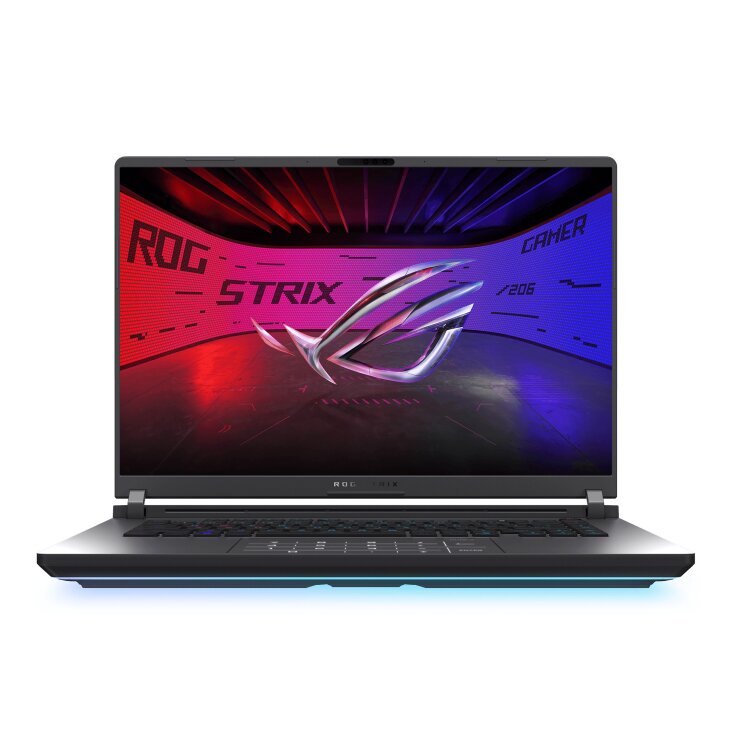
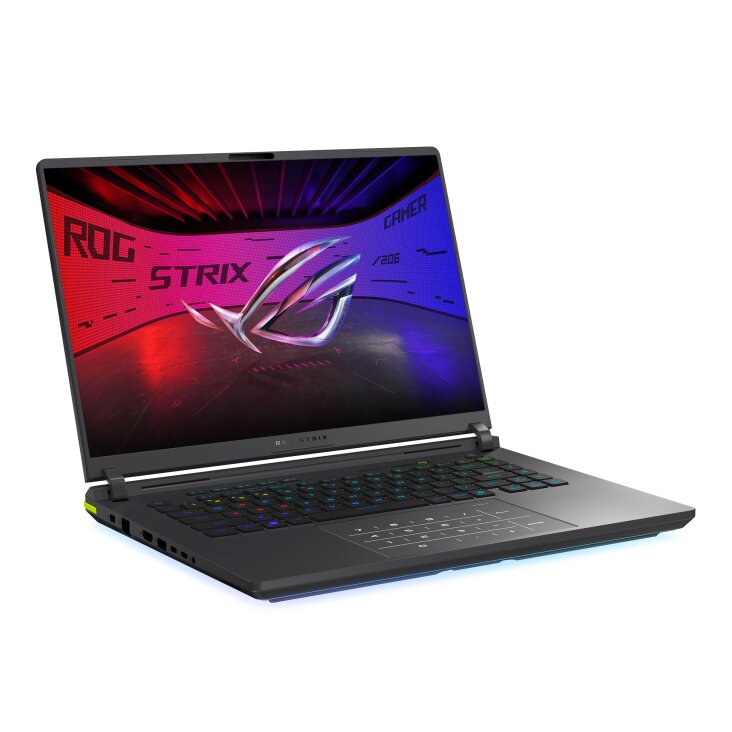

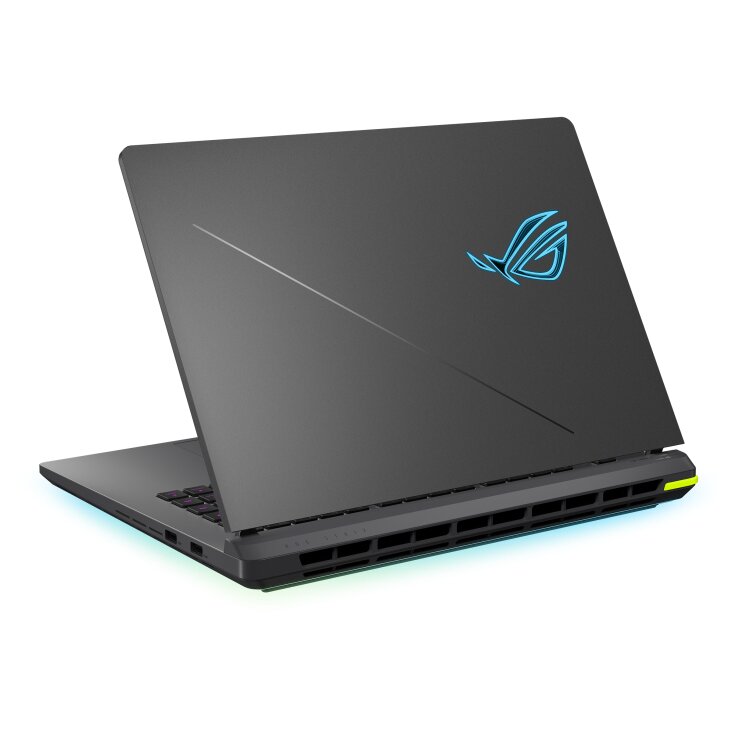
ASUS ROG Strix G16 G615LM-S5143W RAM upgrade specifications include two SO-DIMM slots supporting DDR5-SDRAM memory at 5600 MHz frequency. Maximum RAM capacity reaches 64 GB total. Compatible memory modules utilize SO-DIMM form factor. Upgrade specifications indicate the laptop supports DDR5 technology with dual-slot configuration for memory expansion and enhanced performance capabilities.
Memory Upgrade Specifications
| Specification | Value |
|---|---|
| Memory slots | 2x SO-DIMM |
| Form factor | SO-DIMM |
| Memory type | DDR5-SDRAM |
| Frequency | 5600 MHz |
| Maximum RAM | 64 GB |
| Voltage | 1.1V |
| Number of pins | 262-pin |
| Interface | PC5 |
| PC Speed Rating | PC5-5600 (PC5-44800) |
| Bandwidth | 44.8 GB/s |
Additional Notes
- The DDR5-5600 specification indicates JEDEC standard timing, which typically provides better stability than overclocked XMP profiles in laptop configurations.
- SO-DIMM modules operating at 5600 MHz require vendor-specific voltage regulation, as DDR5 incorporates on-module PMIC rather than motherboard-based voltage control.
- The 64 GB ceiling translates to a practical maximum of 32 GB per module, representing single-rank or dual-rank density configurations depending on manufacturer IC selection.
- Installation requires matching speed bins across both slots, as asymmetric configurations force the memory controller to downclock to the slower module's frequency.
- Thermal considerations become relevant above 32 GB total capacity, particularly with dual-rank modules that generate higher heat during sustained memory-intensive operations.
- The ASUS ROG G615LM-S5143W architecture supports standard JEDEC subtimings, meaning aftermarket modules should maintain CL46 latency at the 5600 MHz frequency point.
- Dual-channel population is mandatory for maintaining bandwidth specifications, as single-module configurations halve theoretical throughput to approximately 44.8 GB/s.
- Non-ECC unbuffered modules represent the only compatible category, as SO-DIMM form factor laptops lack server-grade error correction circuitry.
- Warranty preservation typically requires avoiding modules exceeding the 5600 MHz native frequency, as higher-speed RAM may trigger vendor support exclusions.
- Physical clearance between SO-DIMM slots and cooling assemblies varies by chassis revision, making low-profile module height a practical consideration despite standardized dimensions.