ASUS ROG G615LM-DS96 RAM upgrade specifications
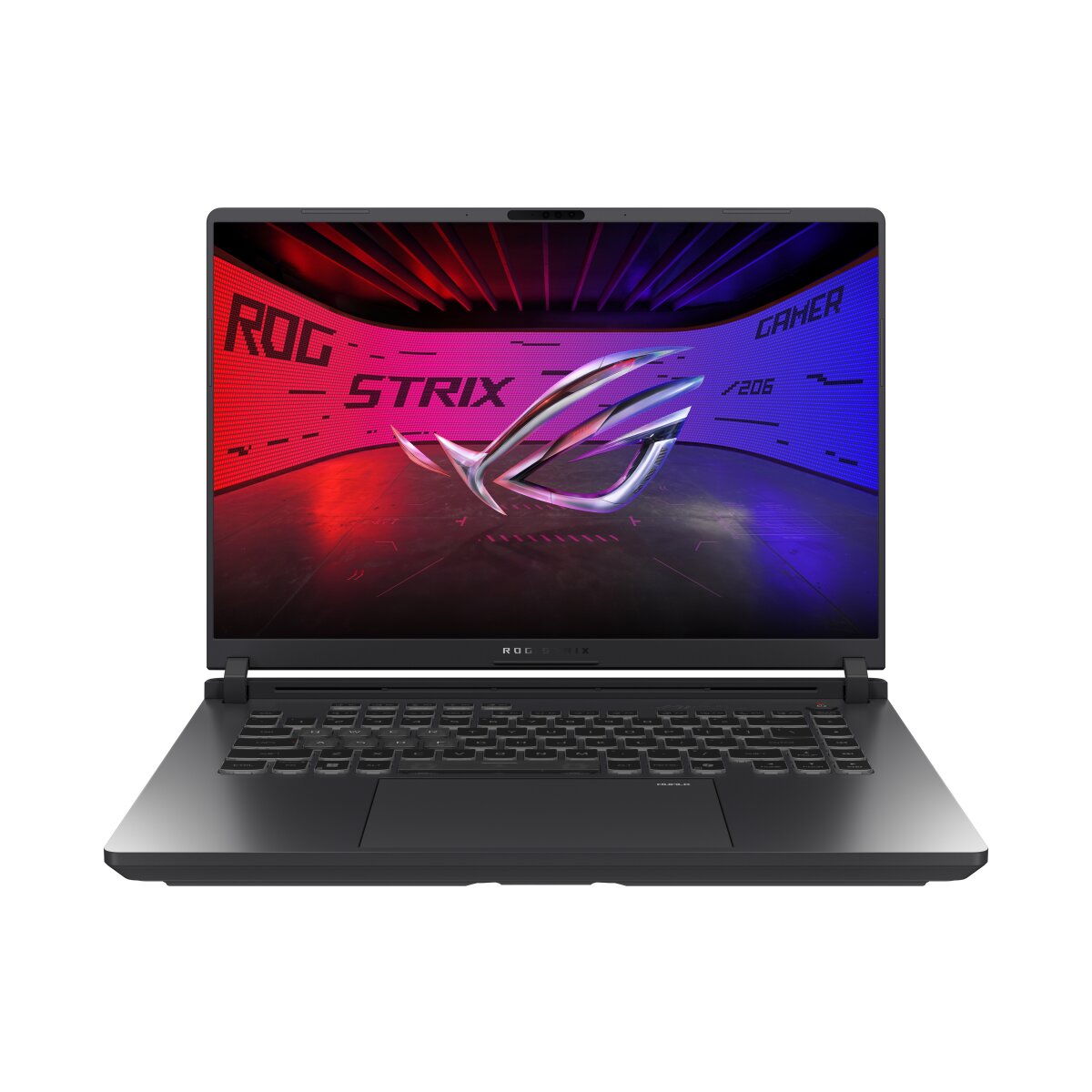
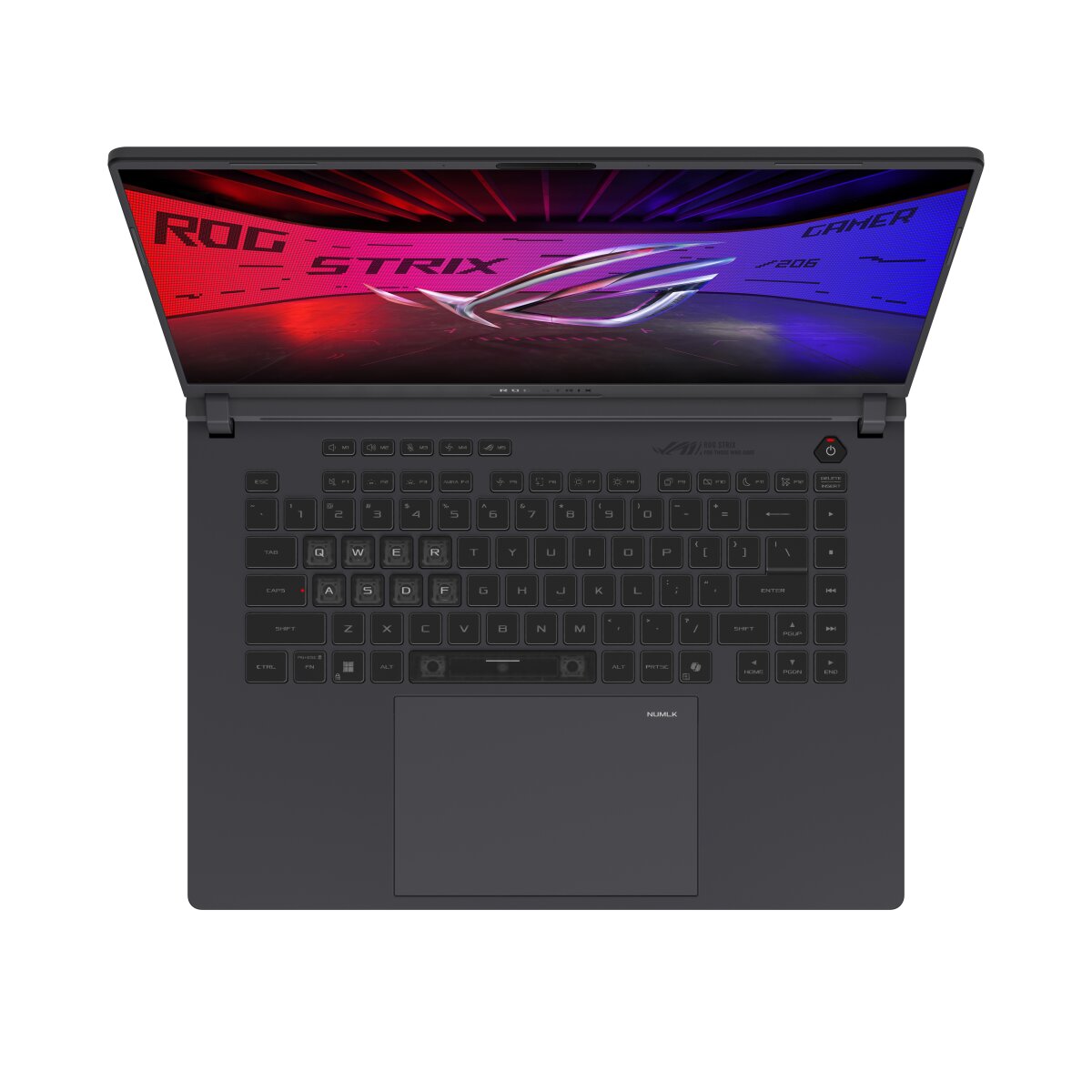
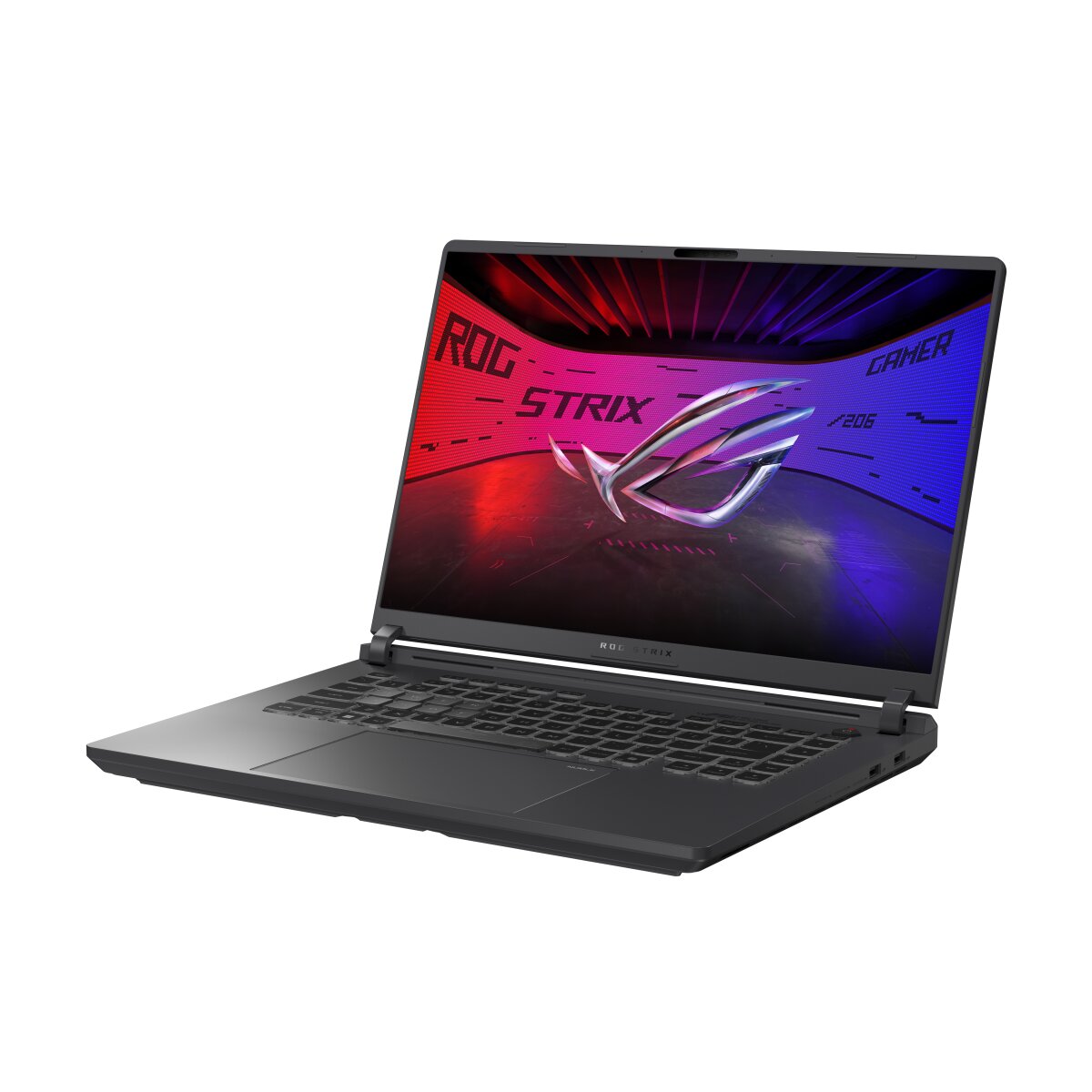

ASUS ROG Strix G16 G615LM-DS96 laptop memory upgrade specifications include two SO-DIMM slots supporting DDR5-SDRAM modules at 5600 MHz frequency. Maximum RAM capacity reaches 64 GB total. Compatible upgrades utilize SO-DIMM form factor memory modules. Current specifications and upgrade slots allow expansion of memory for enhanced system performance. Specifications detail available memory slots and maximum supported capacity for compatible RAM installations.
Memory Upgrade Specifications
| Specification | Value |
|---|---|
| Memory slots | 2x SO-DIMM |
| Form factor | SO-DIMM |
| Memory type | DDR5-SDRAM |
| Frequency | 5600 MHz |
| Maximum RAM | 64 GB |
| Voltage | 1.1V |
| Number of pins | 262-pin |
| Interface | PC5 |
| PC Speed Rating | PC5-5600 (PC5-44800) |
| Bandwidth | 44.8 GB/s |
Additional Notes
- Dual channel architecture requires matching module capacities and timings across both slots to ensure maximum memory bandwidth for the processor.
- The presence of 2 physical SO-DIMM slots allows for the total replacement of factory memory modules without permanent soldering restrictions.
- Utilizing the maximum 64 GB capacity on the ASUS ROG G615LM-DS96 likely requires 2 high density 32 GB modules because higher density single sticks may exceed the motherboard BIOS addressing limits.
- Mixing modules with different rated speeds will result in the entire system clocking down to the frequency of the slowest component to maintain data integrity.
- Internal access for memory installation usually involves removing the bottom chassis panel which requires specific tools consistent with enthusiast grade hardware maintenance.
- Latency performance depends on the CAS latency rating of the upgrade modules which must be compatible with the existing power delivery system of the motherboard.
- Upgrading beyond the factory configuration does not inherently void the hardware warranty if the installation remains within the 64 GB limit and avoids physical damage to the internal components.
- High frequency 5600 MHz DDR5 generates more heat than lower clocked variants which places additional thermal load on the internal cooling solution during heavy multitasking.