ASUS ROG G615LR-S5006W RAM upgrade specifications



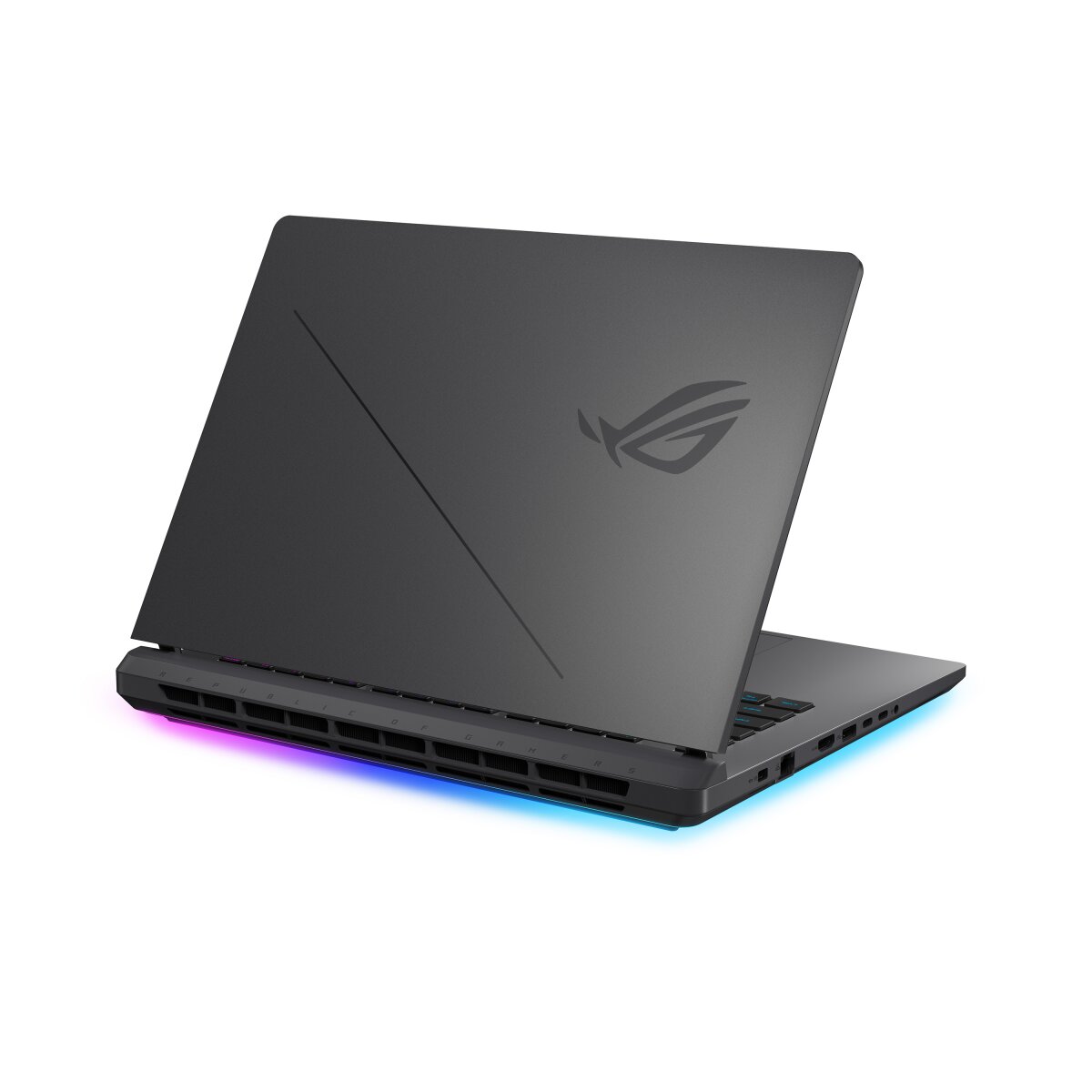

ASUS ROG Strix G16 G615LR-S5006W laptop features DDR5-SDRAM memory upgrade specifications with dual SO-DIMM slots supporting maximum capacity of 64 GB. The system operates at 5600 MHz frequency. Compatible RAM modules utilize the SO-DIMM form factor for memory expansion. Upgrade specifications indicate the G615LR-S5006W accepts DDR5 memory technology across available slots.
Memory Upgrade Specifications
| Specification | Value |
|---|---|
| Memory slots | 2x SO-DIMM |
| Form factor | SO-DIMM |
| Memory type | DDR5-SDRAM |
| Frequency | 5600 MHz |
| Maximum RAM | 64 GB |
| Voltage | 1.1V |
| Number of pins | 262-pin |
| Interface | PC5 |
| PC Speed Rating | PC5-5600 (PC5-44800) |
| Bandwidth | 44.8 GB/s |
Additional Notes
- The ASUS ROG G615LR-S5006W accepts only DDR5 modules, making DDR4 sticks physically incompatible due to different notch positioning on the SO-DIMM edge connector.
- Achieving the 64 GB ceiling requires 2 modules of 32 GB capacity each, as only 2 slots exist in the chassis.
- Modules rated below 5600 MHz will operate but may downclock the entire memory subsystem if mixed with faster sticks, creating asymmetric bandwidth.
- Modules exceeding 5600 MHz may function at reduced speeds if the memory controller does not support overclocking profiles like XMP 3.0 or EXPO.
- Single-rank versus dual-rank module architecture affects interleaving efficiency, with dual-rank configurations potentially offering higher bandwidth in specific workloads despite identical capacity.
- Non-standard module heights exceeding 30 mm may cause physical interference with cooling assemblies or chassis lid closure mechanisms in thin gaming laptops.
- Mixing modules from different manufacturers or with different latency timings can force the system to adopt the slowest common timing standard, reducing effective throughput.
- Accessing the SO-DIMM slots typically requires removing the bottom panel, which may involve breaking warranty seals depending on regional service policies.
- Installing a single module leaves one channel unpopulated, halving theoretical memory bandwidth from dual-channel to single-channel operation.
- DDR5's on-die ECC operates independently of traditional ECC memory requirements, meaning standard consumer modules provide basic error correction without needing registered or buffered variants.
- Voltage specifications for DDR5 SO-DIMMs default to 1.1 V, and modules requiring higher voltage for rated speeds may not reach advertised performance in systems with locked voltage controllers.