ASUS ROG G615LR-S5035W RAM upgrade specifications


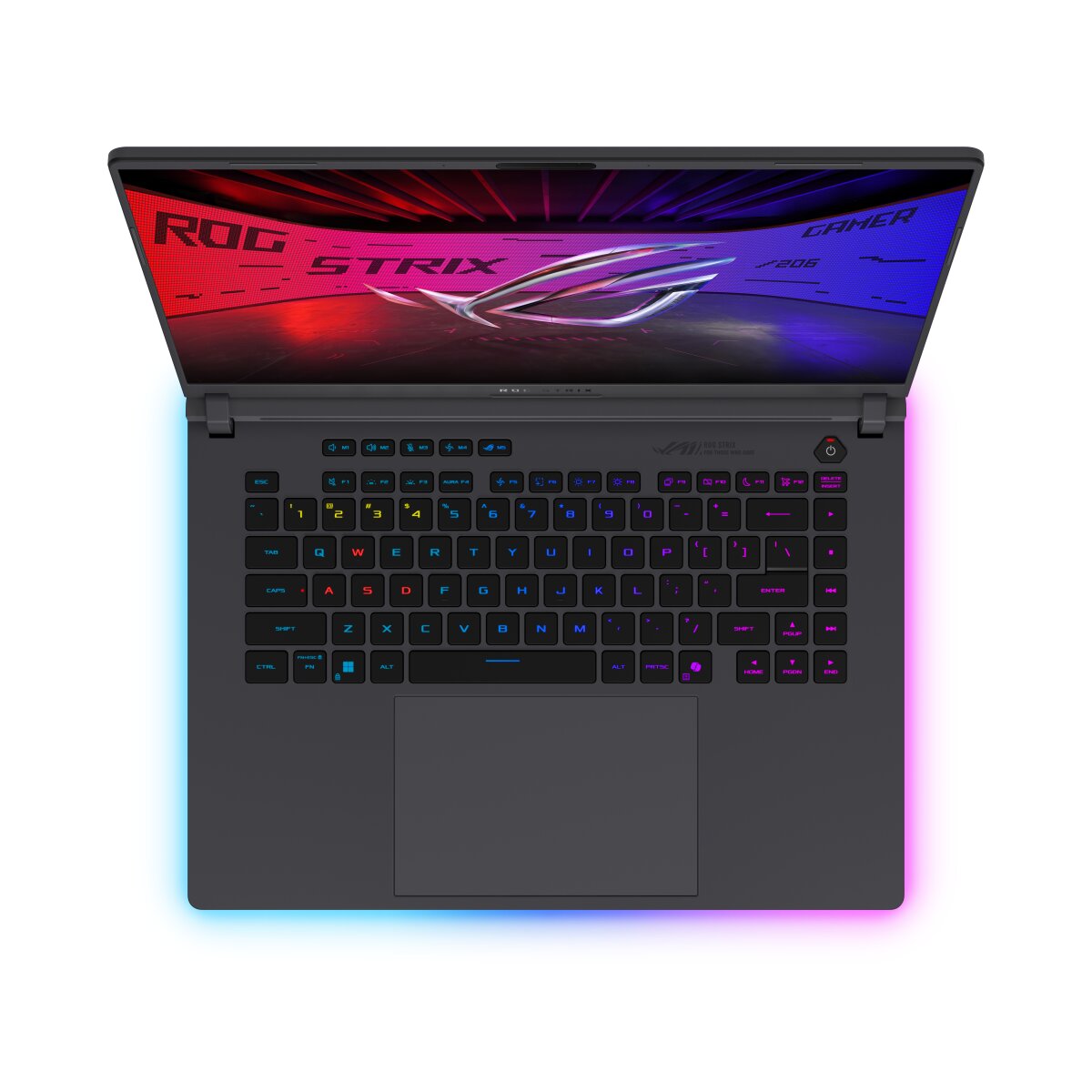
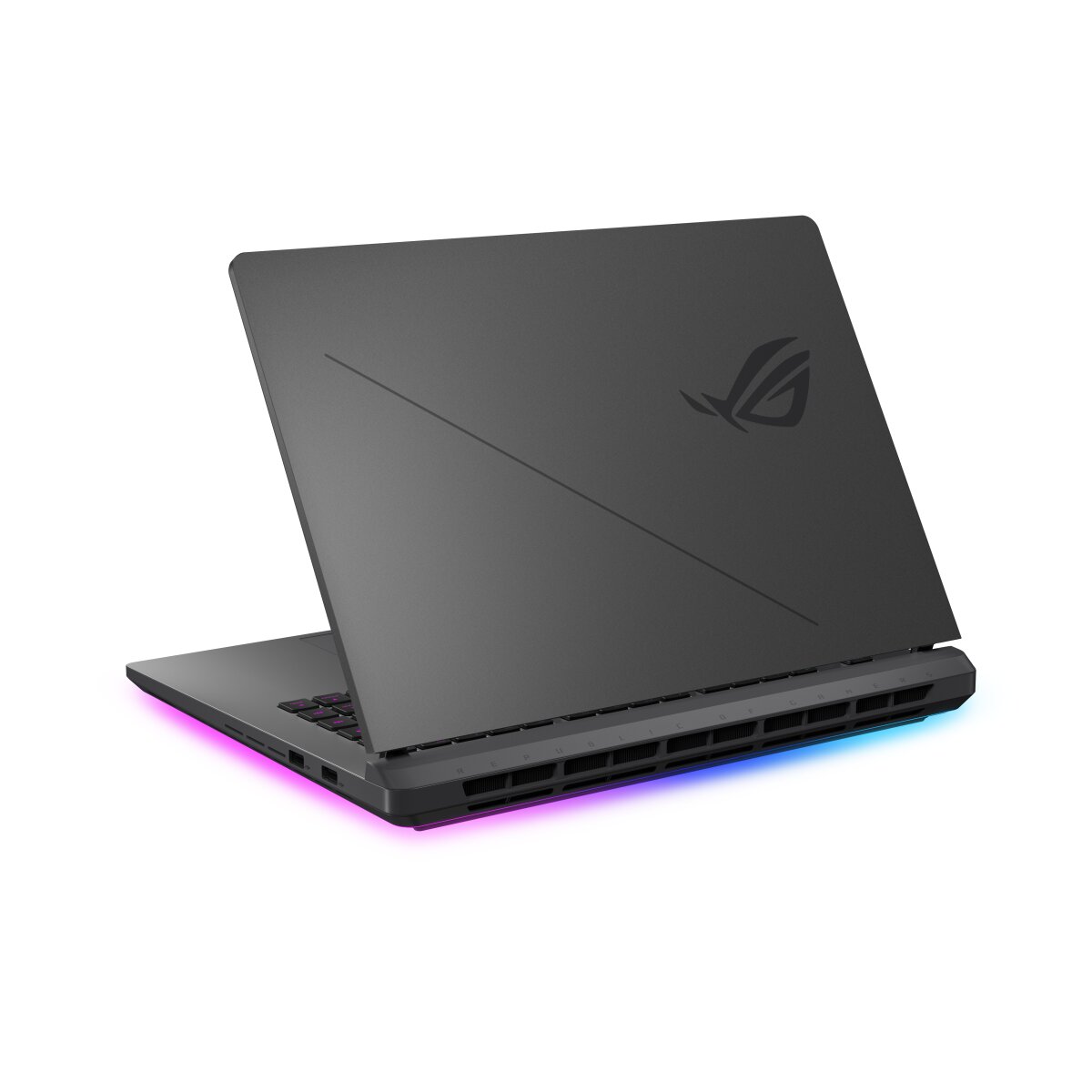
ASUS ROG Strix G16 G615LR-S5035W compatible memory specifications: Two SO-DIMM slots accommodate DDR5-SDRAM upgrade modules. Maximum supported RAM capacity reaches 64 GB total. Compatible memory operates at 5600 MHz frequency. SO-DIMM form factor required for memory upgrade compatibility. Specifications enable significant memory expansion for enhanced multitasking and gaming performance on this gaming laptop model.
Memory Upgrade Specifications
| Specification | Value |
|---|---|
| Memory slots | 2x SO-DIMM |
| Form factor | SO-DIMM |
| Memory type | DDR5-SDRAM |
| Frequency | 5600 MHz |
| Maximum RAM | 64 GB |
| Voltage | 1.1V |
| Number of pins | 262-pin |
| Interface | PC5 |
| PC Speed Rating | PC5-5600 (PC5-44800) |
| Bandwidth | 44.8 GB/s |
Additional Notes
- The DDR5-5600 specification indicates support for JEDEC standard speeds, allowing compatibility with both 4800 MHz and 5200 MHz modules that will automatically clock up to the native 5600 MHz when the system permits.
- SO-DIMM DDR5 modules require 1.1V operating voltage, differing from DDR4's 1.2V standard, making cross-generation module installation electrically incompatible.
- The 64 GB maximum capacity requires dual-channel population with matched 32 GB modules to maintain symmetric memory access and avoid potential single-channel performance degradation.
- DDR5 architecture places voltage regulation directly on the memory module rather than the motherboard, affecting thermal characteristics and requiring adequate chassis airflow near the SO-DIMM slots.
- The ASUS ROG G615LR-S5035W uses soldered memory controller connections on mobile platforms, meaning slot damage during installation typically necessitates motherboard-level repair rather than simple socket replacement.
- Mixing modules with different CAS latencies will force all installed RAM to operate at the slowest timing specification, potentially negating speed advantages of premium modules.
- DDR5 SO-DIMM modules feature physical notch positioning distinct from DDR4, preventing accidental insertion of incompatible generation memory that could cause electrical damage.
- Dual-rank 32 GB modules impose higher electrical load on the memory controller compared to single-rank configurations, potentially limiting maximum stable frequency under certain workloads.
- Most laptop manufacturers limit BIOS-level memory overclocking options compared to desktop platforms, restricting access to XMP/EXPO profiles that exceed JEDEC specifications.
- The 262-pin SO-DIMM connector standard for DDR5 differs from DDR4's design, incorporating additional ground pins to support higher data rates and improved signal integrity.