ASUS ROG G615LR-S5216-GAMING RAM upgrade specifications




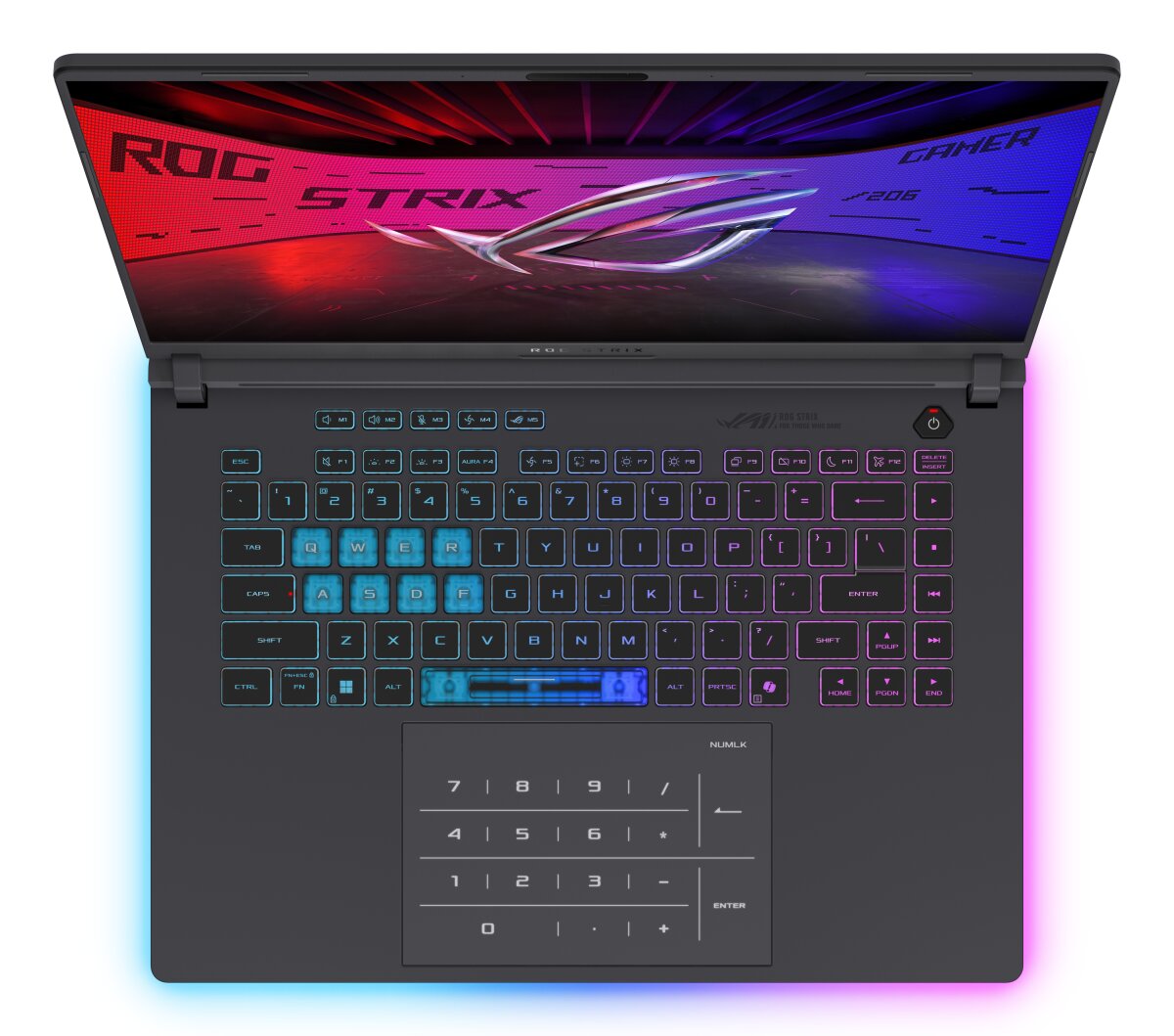
ASUS ROG Strix G16 G615LR-S5216-GAMING laptop features DDR5-SDRAM memory upgrade specifications with 2x SO-DIMM slots supporting maximum capacity of 64 GB RAM. The memory upgrade is compatible with DDR5 technology operating at 5600 MHz frequency. SO-DIMM form factor ensures compatibility with gaming laptop specifications. Upgrade capacity ranges from base configuration to 64 GB maximum supported memory, enabling enhanced multitasking and performance capabilities for the Strix G16 gaming model.
Memory Upgrade Specifications
| Specification | Value |
|---|---|
| Memory slots | 2x SO-DIMM |
| Form factor | SO-DIMM |
| Memory type | DDR5-SDRAM |
| Frequency | 5600 MHz |
| Maximum RAM | 64 GB |
| Voltage | 1.1V |
| Number of pins | 262-pin |
| Interface | PC5 |
| PC Speed Rating | PC5-5600 (PC5-44800) |
| Bandwidth | 44.8 GB/s |
Additional Notes
- The ASUS ROG G615LR-S5216-GAMING platform enforces a 32 GB per-slot ceiling, preventing the use of higher-density modules that may become available in future DDR5 generations.
- DDR5-5600 operates at JEDEC standard timing, ensuring compatibility across most SO-DIMM modules without requiring XMP profile activation or BIOS intervention.
- Dual SO-DIMM architecture maintains dual-channel operation only when both slots contain matched capacity modules, halving theoretical bandwidth if mismatched configurations are installed.
- The 5600 MHz native frequency provides 44.8 GB/s per channel bandwidth, though real-world performance scales with active core count and workload memory intensity rather than raw speed alone.
- SO-DIMM retention clips on consumer gaming laptops typically allow tool-free removal, though chassis disassembly often requires Torx or Phillips drivers to access the memory bay.
- DDR5 voltage regulation occurs on-module through PMIC circuits, reducing motherboard compatibility issues but increasing per-module cost compared to previous DDR4 implementations.
- Upgrading beyond factory-installed capacity may void regional warranty coverage unless performed by authorized service centers, depending on market-specific ASUS support policies.
- Mixing DDR5 speed bins forces the memory controller to downclock all modules to the lowest common frequency, negating any performance benefit from higher-rated modules.
- The absence of ECC support in consumer SO-DIMM DDR5 specifications means the platform prioritizes performance over error correction, typical for gaming-focused designs.
- Thermal considerations become relevant at maximum 64 GB configuration, as fully populated slots increase sustained power draw within the confined laptop chassis.