ASUS ROG G615LW-DS96-CA RAM upgrade specifications
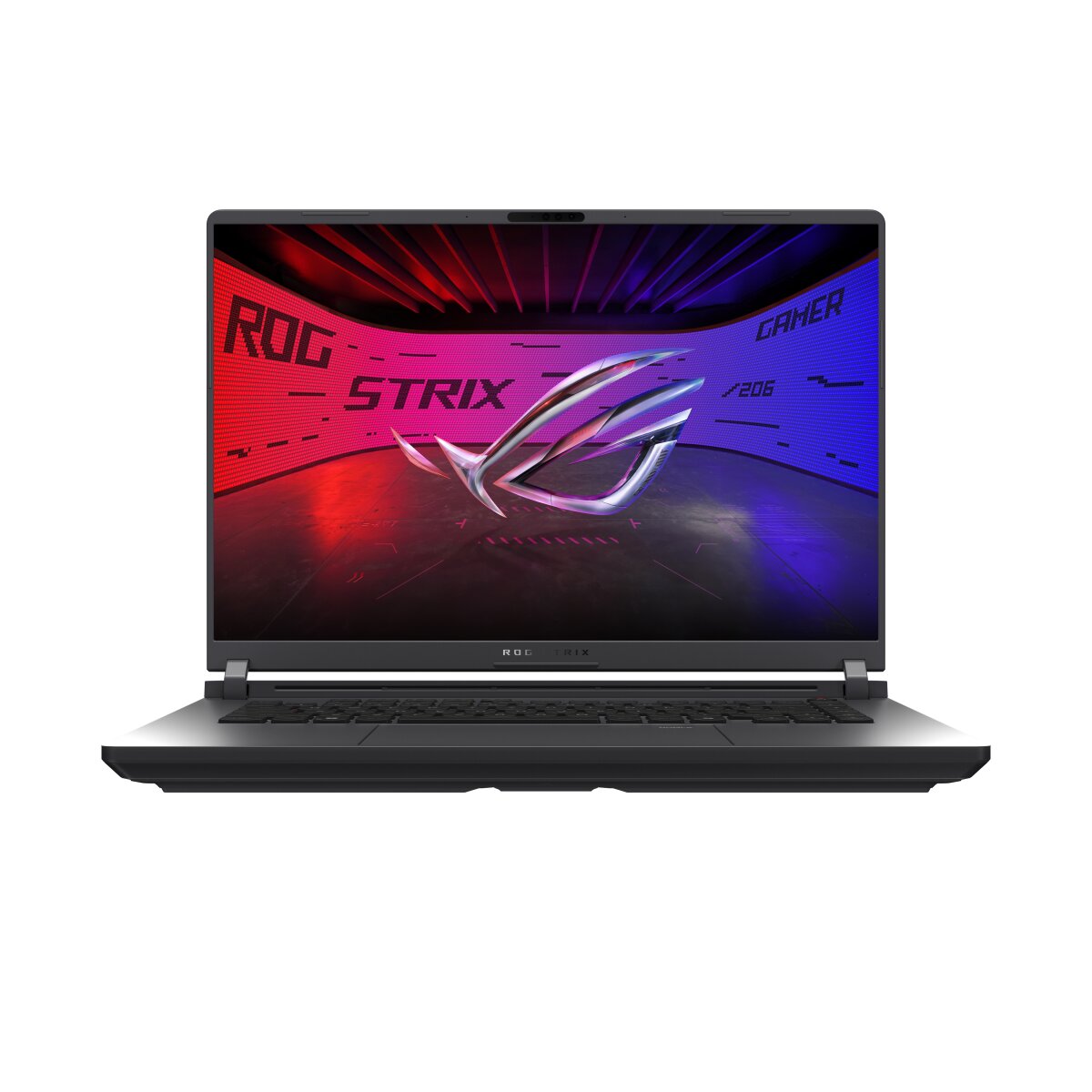


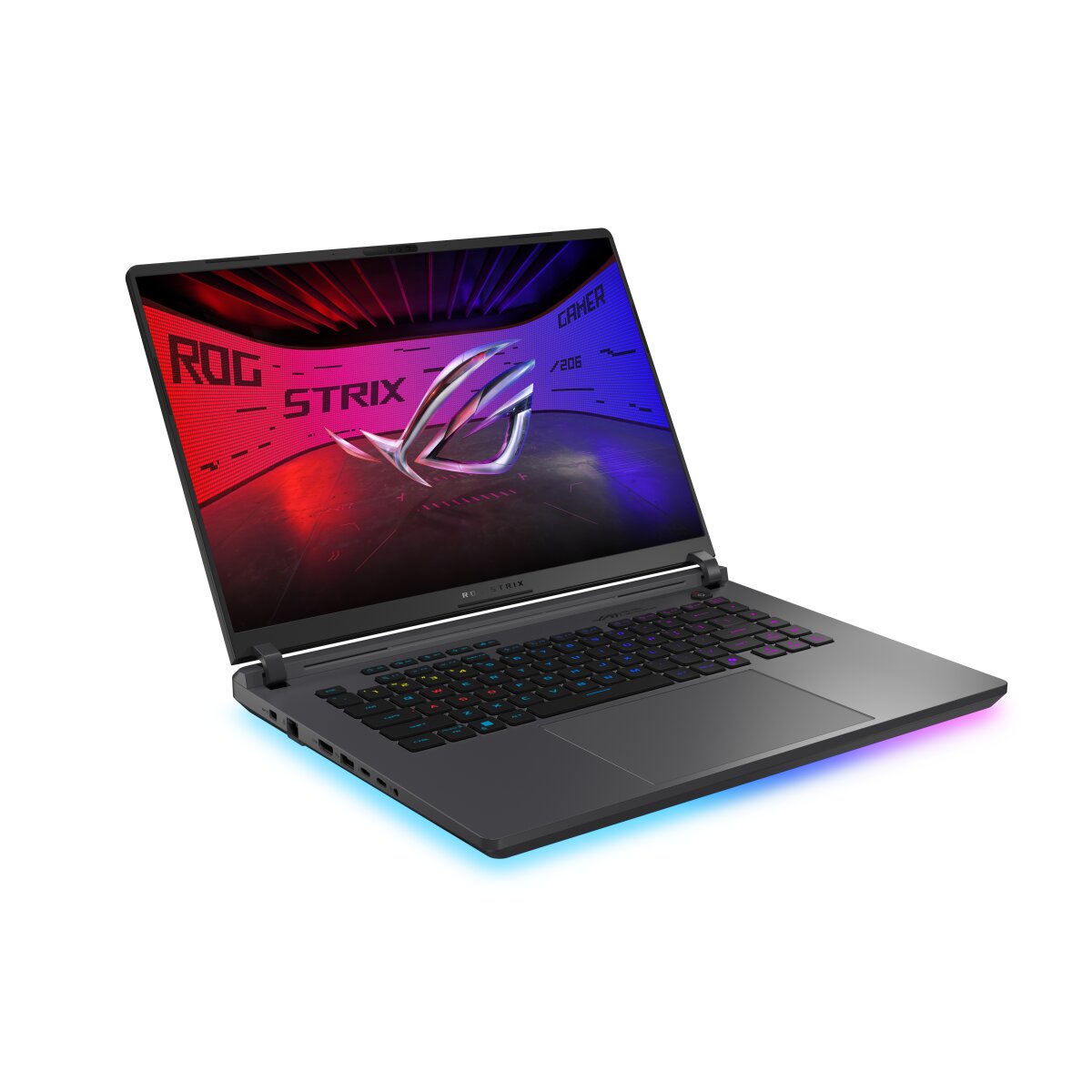
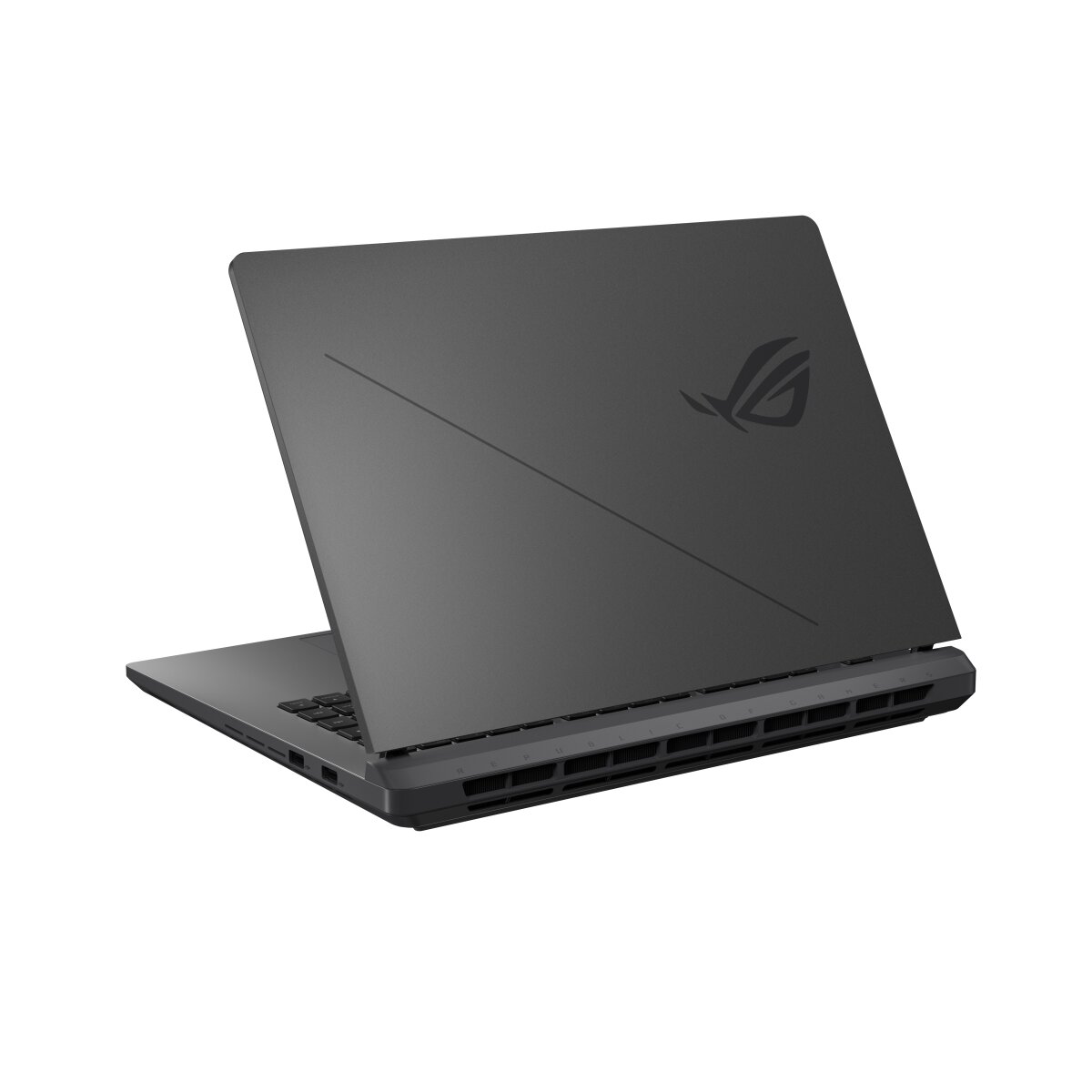
ASUS ROG Strix G16 model G615LW-DS96-CA laptop RAM upgrade specifications include DDR5-SDRAM memory operating at 5600 MHz. The system features two SO-DIMM memory slots, supporting a maximum RAM capacity of 64 GB total. Upgrade specifications indicate compatible DDR5 SO-DIMM modules can be installed to enhance system performance. The laptop's memory specifications are designed for high-performance gaming and professional applications requiring substantial RAM capacity and speed.
Memory Upgrade Specifications
| Specification | Value |
|---|---|
| Memory slots | 2x SO-DIMM |
| Form factor | SO-DIMM |
| Memory type | DDR5-SDRAM |
| Frequency | 5600 MHz |
| Maximum RAM | 64 GB |
| Voltage | 1.1V |
| Number of pins | 262-pin |
| Interface | PC5 |
| PC Speed Rating | PC5-5600 (PC5-44800) |
| Bandwidth | 44.8 GB/s |
Additional Notes
- The ASUS ROG G615LW-DS96-CA contains 2 SO-DIMM slots, meaning only paired upgrades are possible; single-module installations will leave one slot vacant without performance benefit from asymmetrical configuration.
- DDR5-5600 memory operates at a bandwidth ceiling of approximately 89.6 GB/s per channel, which may not fully saturate modern GPU data paths in sustained gaming workloads, creating potential throughput constraints during high-refresh rendering.
- The 64 GB maximum capacity represents a hard architectural limit imposed by the chipset and BIOS, rendering any DDR5 modules larger than 32 GB per slot incompatible regardless of future memory density improvements.
- SO-DIMM form factor requires laptop-specific memory modules; desktop DDR5 UDIMM components cannot physically fit the socket, eliminating cost-saving options from consumer-grade system memory inventory.
- Upgrading from factory configuration to 64 GB necessitates removal of existing modules, as the 2-slot architecture does not support additive expansion strategies typical of multi-slot motherboards.
- Memory frequency standardization at 5600 MHz creates fixed latency profiles; mixing modules of different speeds will downclock all memory to the slowest module's rated frequency, potentially degrading frame consistency in latency-sensitive applications.
- DDR5 SO-DIMM modules typically cost 15-25% higher per gigabyte than equivalent DDR4 laptop memory, making the upgrade path to maximum capacity a significant expenditure compared to prior generation platforms.