ASUS ROG G615LW-RV084W RAM upgrade specifications


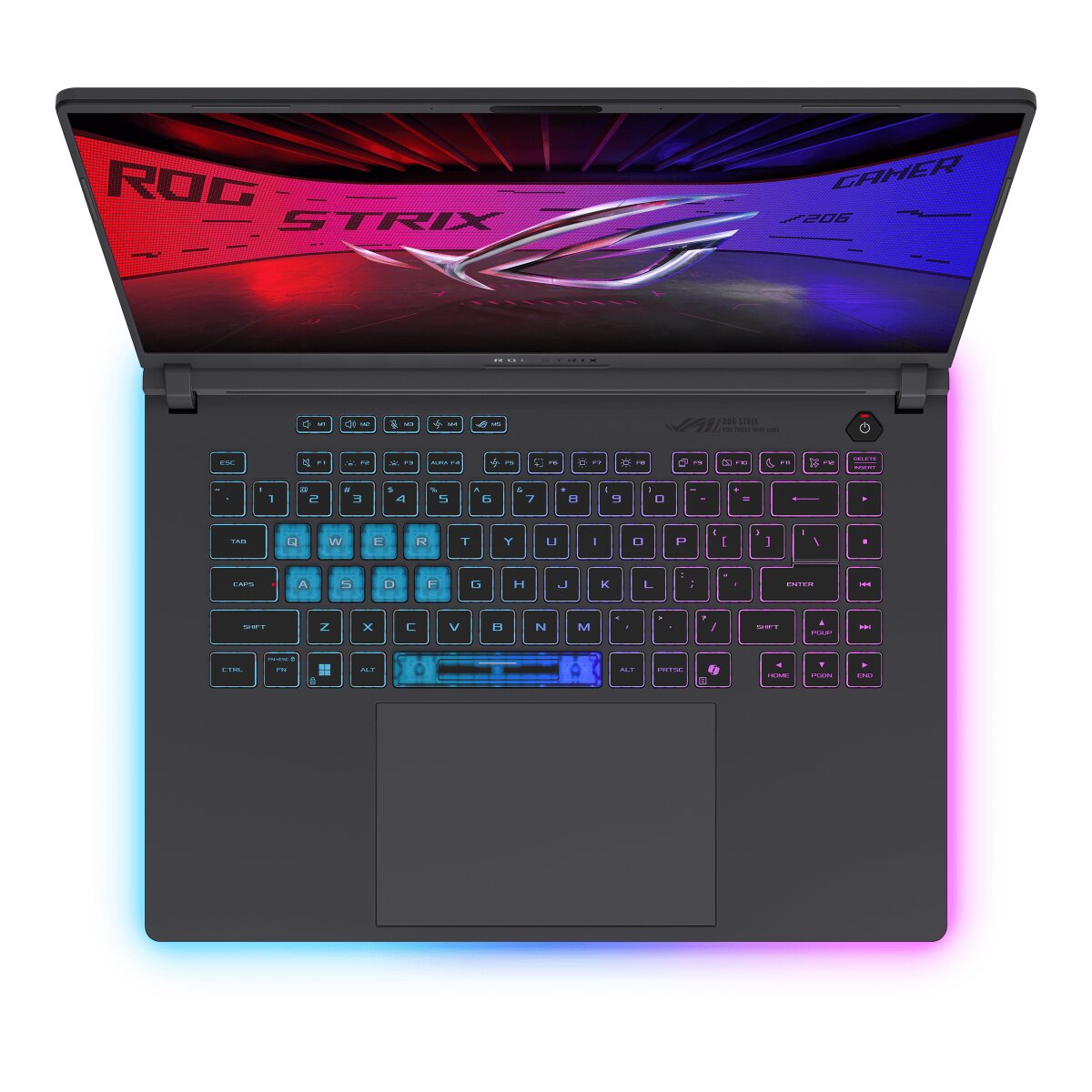
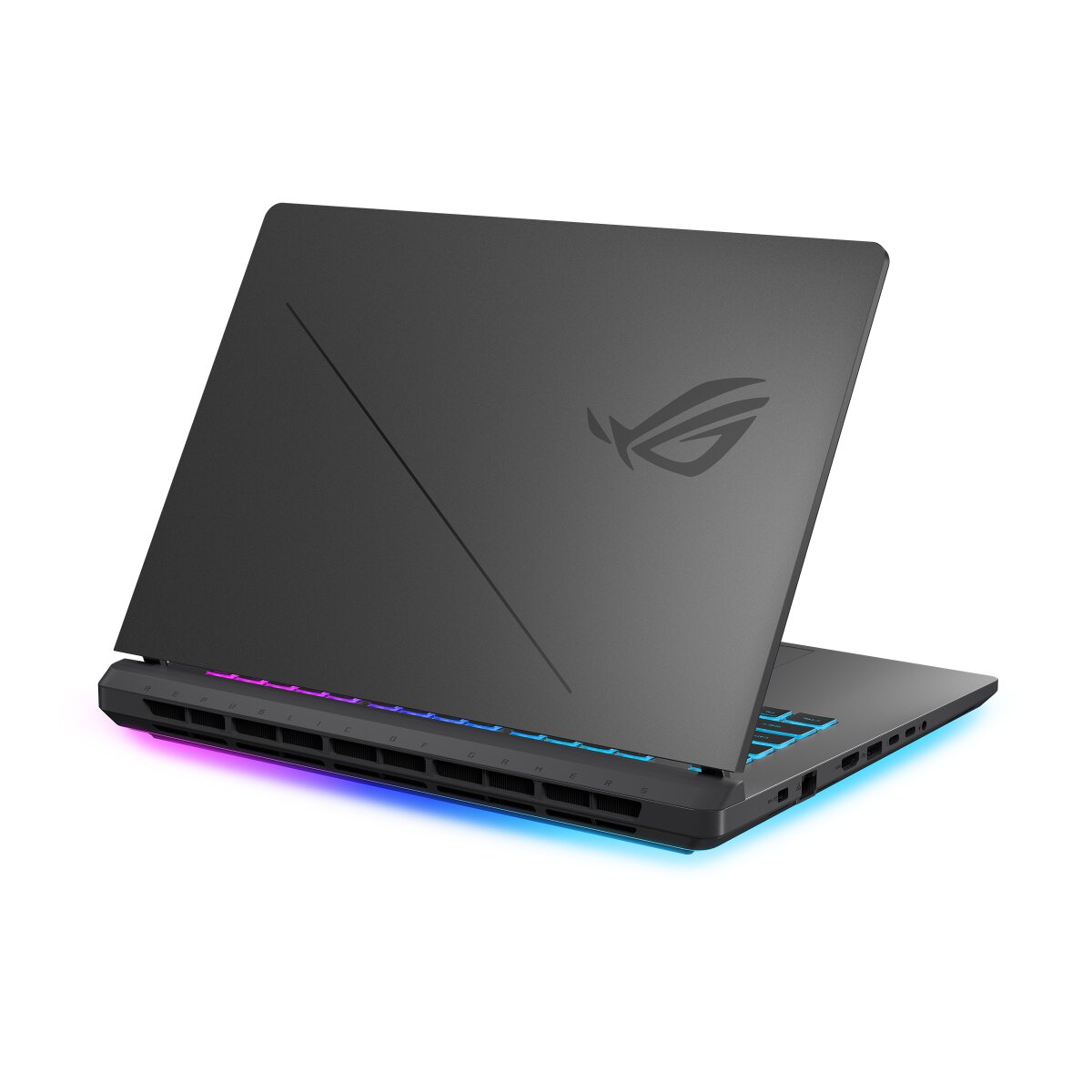
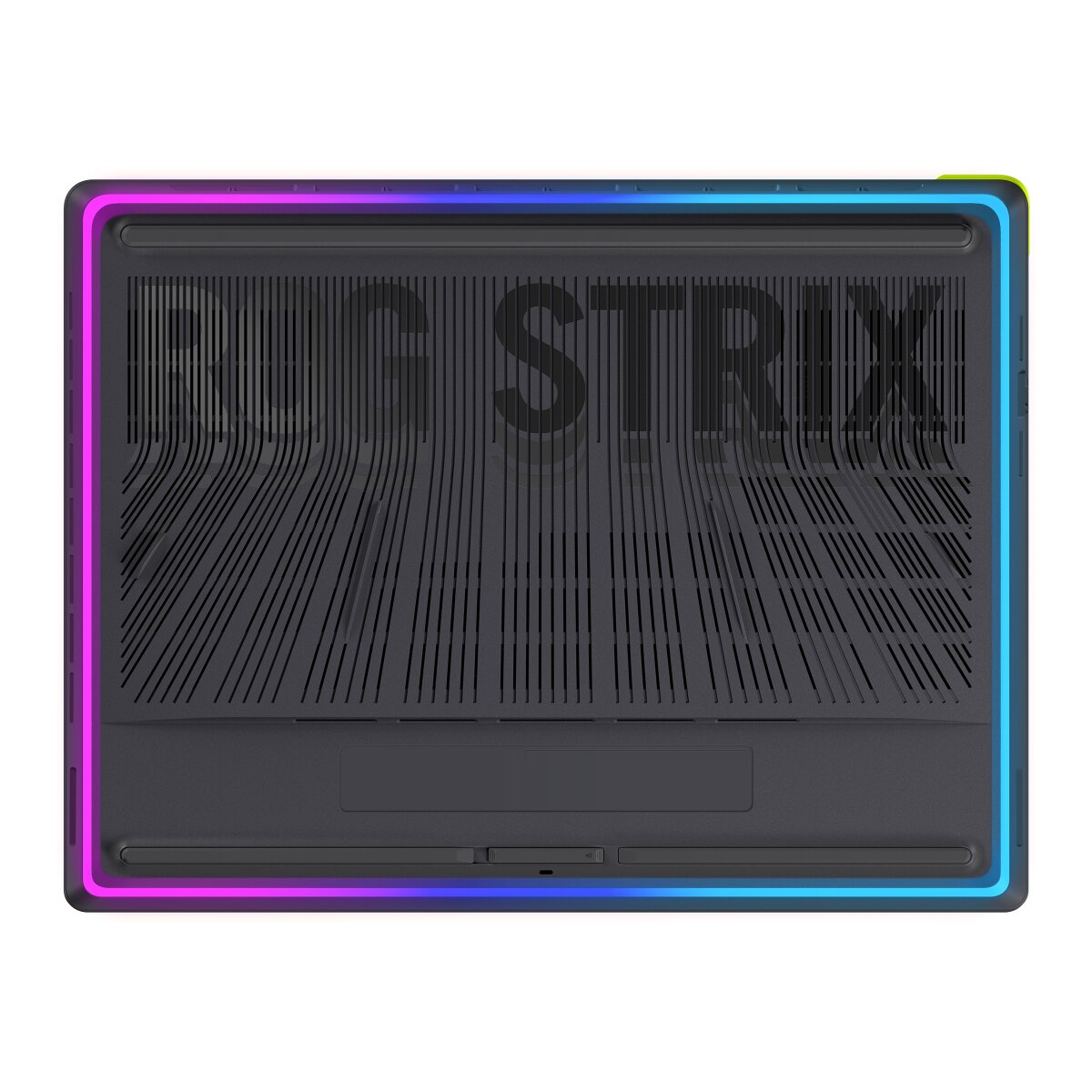
ASUS ROG Strix G16 G615LW-RV084W laptop RAM upgrade specifications include two SO-DIMM memory slots supporting DDR5-SDRAM modules. Maximum RAM capacity reaches 64 GB total, with compatible memory operating at 5600 MHz frequency. Upgrade configurations utilize SO-DIMM form factor modules, enabling flexible memory expansion for enhanced system performance. Specifications support DDR5-SDRAM technology for superior bandwidth and efficiency compared to previous generation memory standards.
Memory Upgrade Specifications
| Specification | Value |
|---|---|
| Memory slots | 2x SO-DIMM |
| Form factor | SO-DIMM |
| Memory type | DDR5-SDRAM |
| Frequency | 5600 MHz |
| Maximum RAM | 64 GB |
| Voltage | 1.1V |
| Number of pins | 262-pin |
| Interface | PC5 |
| PC Speed Rating | PC5-5600 (PC5-44800) |
| Bandwidth | 44.8 GB/s |
Additional Notes
- The ASUS ROG G615LW-RV084W supports dual-channel memory architecture through its 2 SO-DIMM slots, enabling theoretical bandwidth up to 89.6 GB/s when operating at 5600 MHz with both slots populated.
- DDR5-5600 modules operate at 1.1V compared to DDR4's 1.2V, reducing power consumption and heat generation during sustained workloads while maintaining the same physical 262-pin SO-DIMM connector standard.
- The 64 GB ceiling requires 32 GB modules, which utilize double-sided chip configurations that may increase thermal output in confined chassis spaces compared to single-sided 16 GB modules.
- DDR5's on-die ECC differs from traditional ECC memory, providing single-bit error correction without requiring special module types, though this differs from server-grade ECC functionality.
- Mixing modules with different CAS latencies will force all installed memory to operate at the slowest timing configuration, potentially negating performance advantages of premium-rated modules.
- The 5600 MHz frequency represents JEDEC standard specification rather than overclocked XMP/EXPO profiles, ensuring compatibility without BIOS adjustments but limiting headroom for manual tuning.
- SO-DIMM installation does not void manufacturer warranty when performed according to service manual procedures, unlike soldered memory configurations found in ultra-thin chassis designs.
- DDR5's increased prefetch buffer (16n vs DDR4's 8n) improves burst access patterns for sequential operations but introduces slightly higher latency for random access patterns compared to previous generation modules at equivalent CAS ratings.
- Asymmetric configurations (such as pairing 16 GB with 32 GB modules) will function but may disable flex mode optimization, reducing memory interleaving efficiency during certain workload patterns.
- The physical notch position on DDR5 SO-DIMMs prevents backward compatibility with DDR4 slots, requiring complete replacement rather than incremental upgrades when transitioning between platform generations.