ASUS ROG G615LW-S5006W RAM upgrade specifications



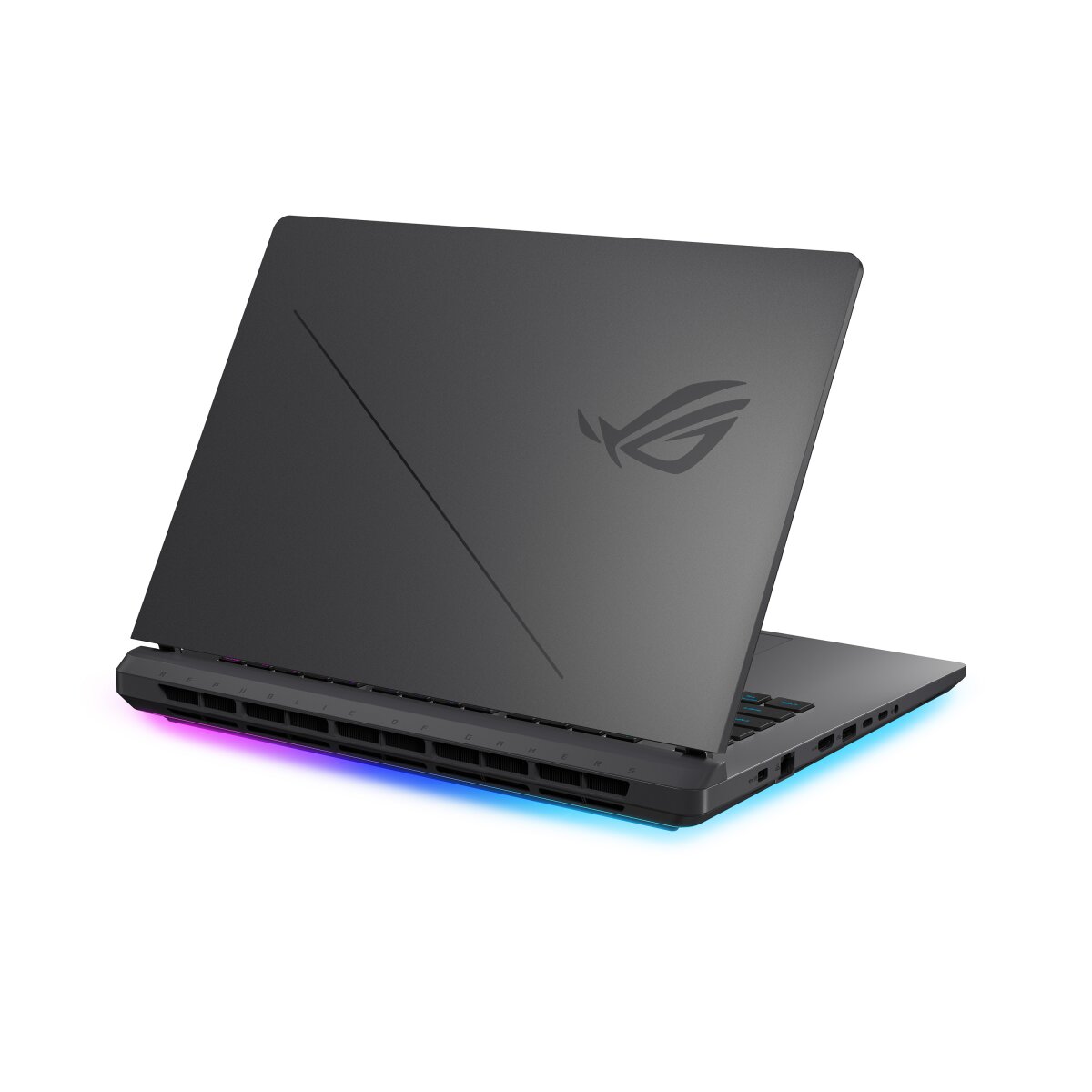
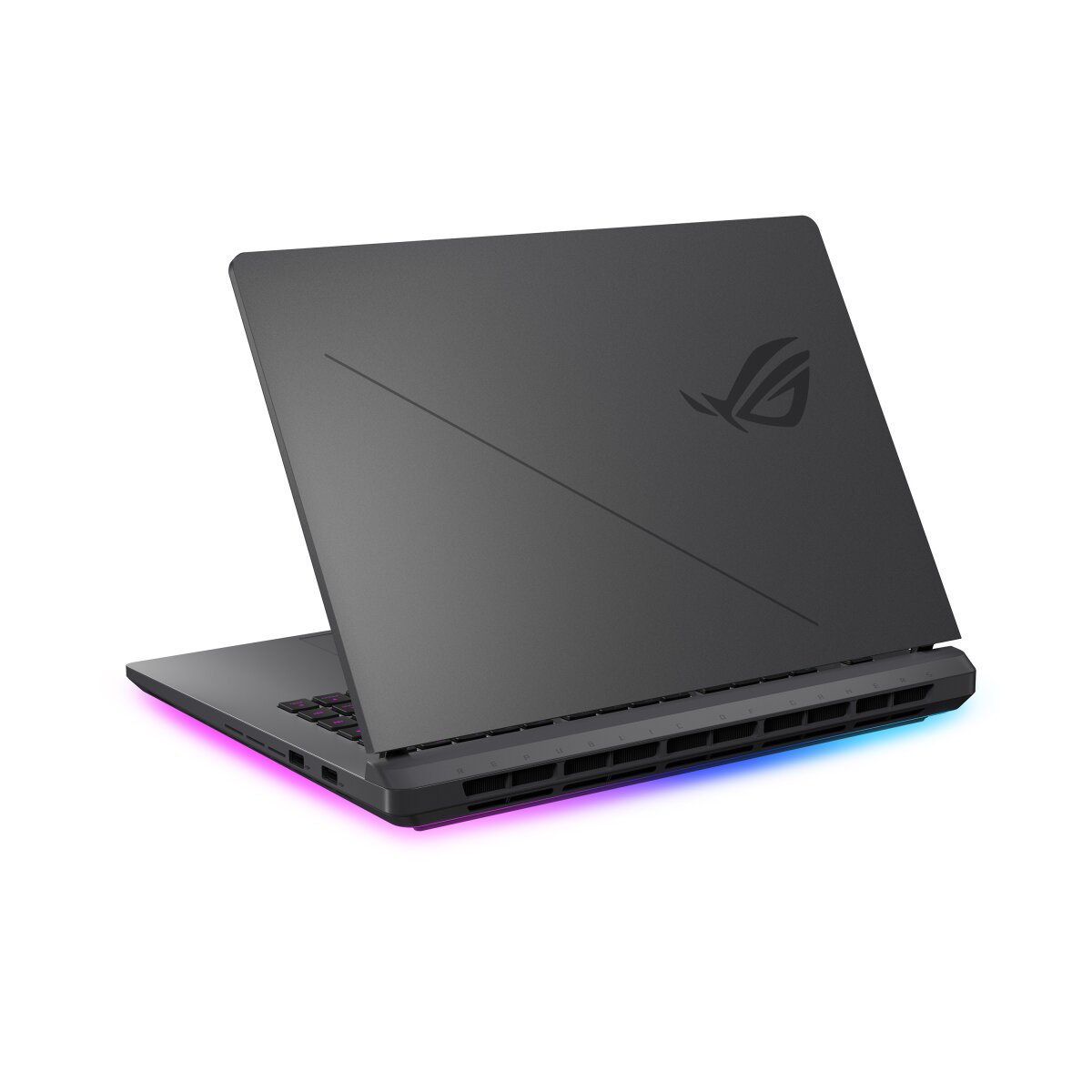
ASUS ROG Strix G16 G615LW-S5006W memory upgrade specifications detail DDR5-SDRAM compatibility with 2x SO-DIMM slots supporting maximum capacity of 64 GB RAM. Upgrade modules operate at 5600 MHz frequency. Compatible memory modules must match SO-DIMM form factor specifications for proper installation in available slots. Current specifications accommodate up to 64 GB total memory capacity for this gaming laptop model.
Memory Upgrade Specifications
| Specification | Value |
|---|---|
| Memory slots | 2x SO-DIMM |
| Form factor | SO-DIMM |
| Memory type | DDR5-SDRAM |
| Frequency | 5600 MHz |
| Maximum RAM | 64 GB |
| Voltage | 1.1V |
| Number of pins | 262-pin |
| Interface | PC5 |
| PC Speed Rating | PC5-5600 (PC5-44800) |
| Bandwidth | 44.8 GB/s |
Additional Notes
- The ASUS ROG G615LW-S5006W supports dual-channel memory architecture through its 2 SO-DIMM slots, enabling bandwidth doubling when identical modules populate both slots.
- DDR5-5600 represents the validated frequency ceiling, though DDR4 modules remain physically and electrically incompatible due to notch positioning and voltage requirements.
- The 64 GB maximum capacity translates to 32 GB per slot as the upper module density limit for stable operation.
- SO-DIMM form factor compliance restricts upgrades to laptop-specific modules, as standard DIMM desktop memory lacks physical compatibility with the slot keying.
- Higher frequency DDR5 modules will downclock to 5600 MHz automatically, negating any performance advantage from premium-binned memory.
- Single-module configurations halve effective bandwidth by operating in single-channel mode, creating potential bottlenecks in memory-intensive workloads.
- Mixing modules with different speeds forces both to operate at the slower frequency, while mixing capacities maintains functionality but may disable certain memory optimizations.
- DDR5 on-die ECC operates transparently at the DRAM level, though this differs from registered ECC memory which remains unsupported in consumer laptop architectures.
- Warranty preservation typically requires non-destructive installation procedures, as SO-DIMM access panels allow user-serviceable upgrades without full chassis disassembly.
- Voltage for DDR5 standardizes at 1.1V, eliminating manual voltage adjustment requirements present in DDR4 platforms.
- Thermal headroom affects sustained performance under extended memory loads, particularly when both slots operate at full capacity with high-density modules.
- XMP or EXPO profiles may require BIOS enablement to exceed JEDEC baseline speeds, though laptop firmware implementations often lock frequency to validated specifications.
- Asymmetric configurations between slots function but may forfeit flex mode optimizations that maximize available dual-channel bandwidth across mismatched capacities.