ASUS ROG G615LW-S5024W RAM upgrade specifications




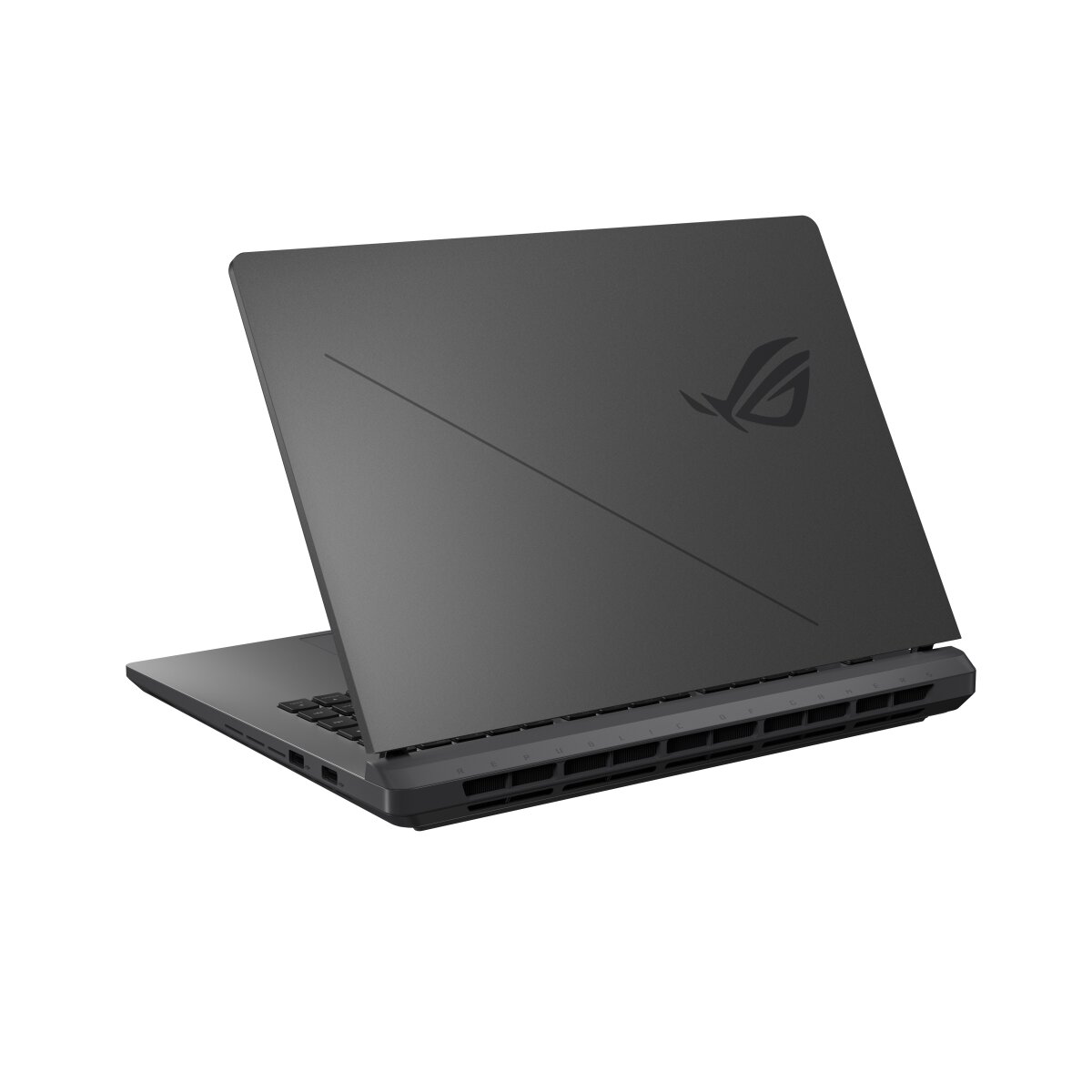
ASUS ROG Strix G16 G615LW-S5024W laptop RAM upgrade specifications include DDR5-SDRAM memory with 2x SO-DIMM slots. Maximum compatible capacity reaches 64 GB total memory. Modules operate at 5600 MHz frequency. SO-DIMM form factor specifications apply to memory upgrade configurations. Existing memory can be expanded through available upgrade slots on the G615LW-S5024W model. DDR5-SDRAM compatibility and slot configuration determine upgrade options for this ROG Strix G16 gaming laptop.
Memory Upgrade Specifications
| Specification | Value |
|---|---|
| Memory slots | 2x SO-DIMM |
| Form factor | SO-DIMM |
| Memory type | DDR5-SDRAM |
| Frequency | 5600 MHz |
| Maximum RAM | 64 GB |
| Voltage | 1.1V |
| Number of pins | 262-pin |
| Interface | PC5 |
| PC Speed Rating | PC5-5600 (PC5-44800) |
| Bandwidth | 44.8 GB/s |
Additional Notes
- The ASUS ROG G615LW-S5024W supports DDR5-5600 modules, which operate at a higher voltage (1.1V) compared to DDR4, requiring compatible power delivery circuitry that cannot accept previous-generation memory.
- The 2 SO-DIMM slot configuration limits upgrade flexibility to either replacing one module for asymmetric capacity or both modules for optimal dual-channel bandwidth.
- DDR5 memory operates with on-die ECC (error correction code), improving data integrity without user configuration but adding minor latency overhead compared to non-ECC DDR4.
- The 64 GB maximum capacity constraint indicates chipset and CPU memory controller limitations, preventing use of higher-density modules even if physically compatible.
- 5600 MHz represents the JEDEC standard base speed for DDR5, meaning faster XMP/EXPO profiles may not activate without BIOS support or could violate thermal specifications in this chassis.
- SO-DIMM form factor modules typically have reduced heat spreader surface area compared to desktop DIMMs, making sustained high-frequency operation more dependent on chassis airflow.
- Mixing modules with different densities while maintaining the same speed will preserve dual-channel operation but may force asymmetric memory access patterns that reduce bandwidth in specific workloads.
- DDR5's dual-channel architecture per module (2x32-bit subchannels) differs from DDR4's single 64-bit channel, affecting how the memory controller schedules requests and potentially improving efficiency in multi-threaded applications.
- Installing memory modules with speeds exceeding 5600 MHz requires the chipset to support overclocking profiles, which may increase power consumption and require validation for system stability.
- The SO-DIMM slots likely share thermal zones with adjacent components, meaning high memory utilization could trigger thermal throttling if ambient cooling is insufficient.
- Warranty considerations typically permit user-installed memory upgrades without seal breakage, but physical damage to retention clips or improper module insertion can void coverage.
- DDR5 modules use a centered notch position different from DDR4, providing physical keying that prevents incorrect installation but requires verification of module generation before purchase.