ASUS ROG G615LW-S5193W RAM upgrade specifications
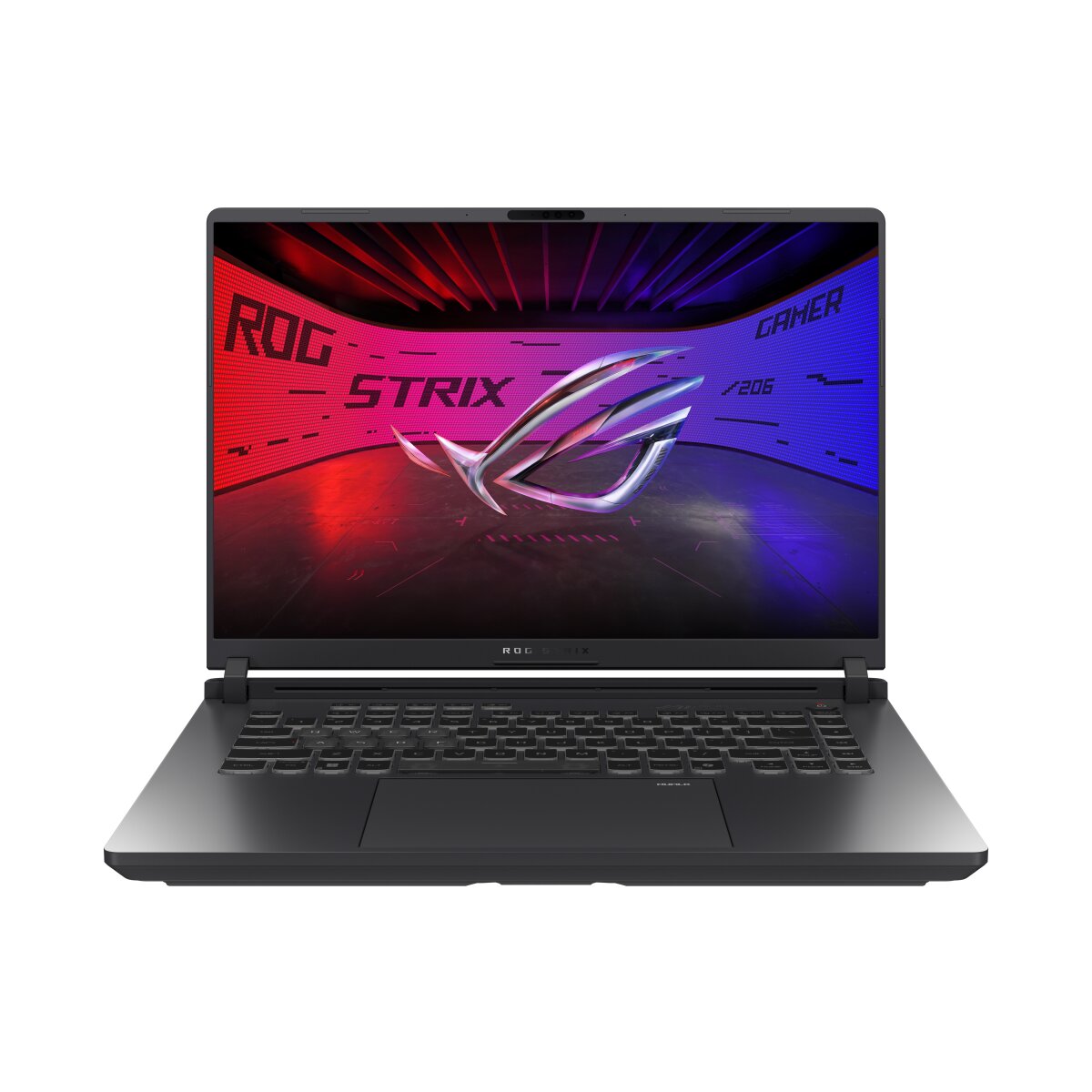
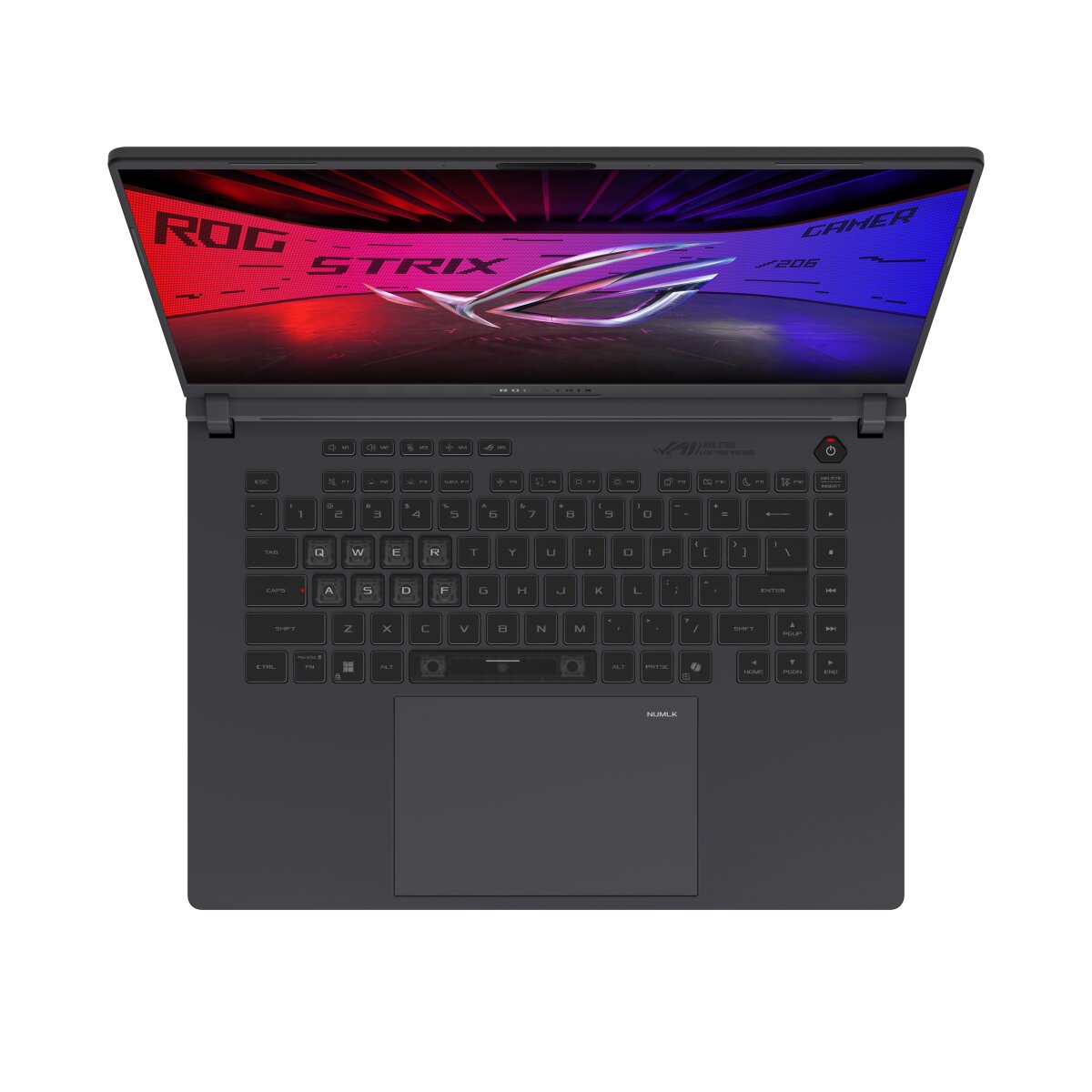
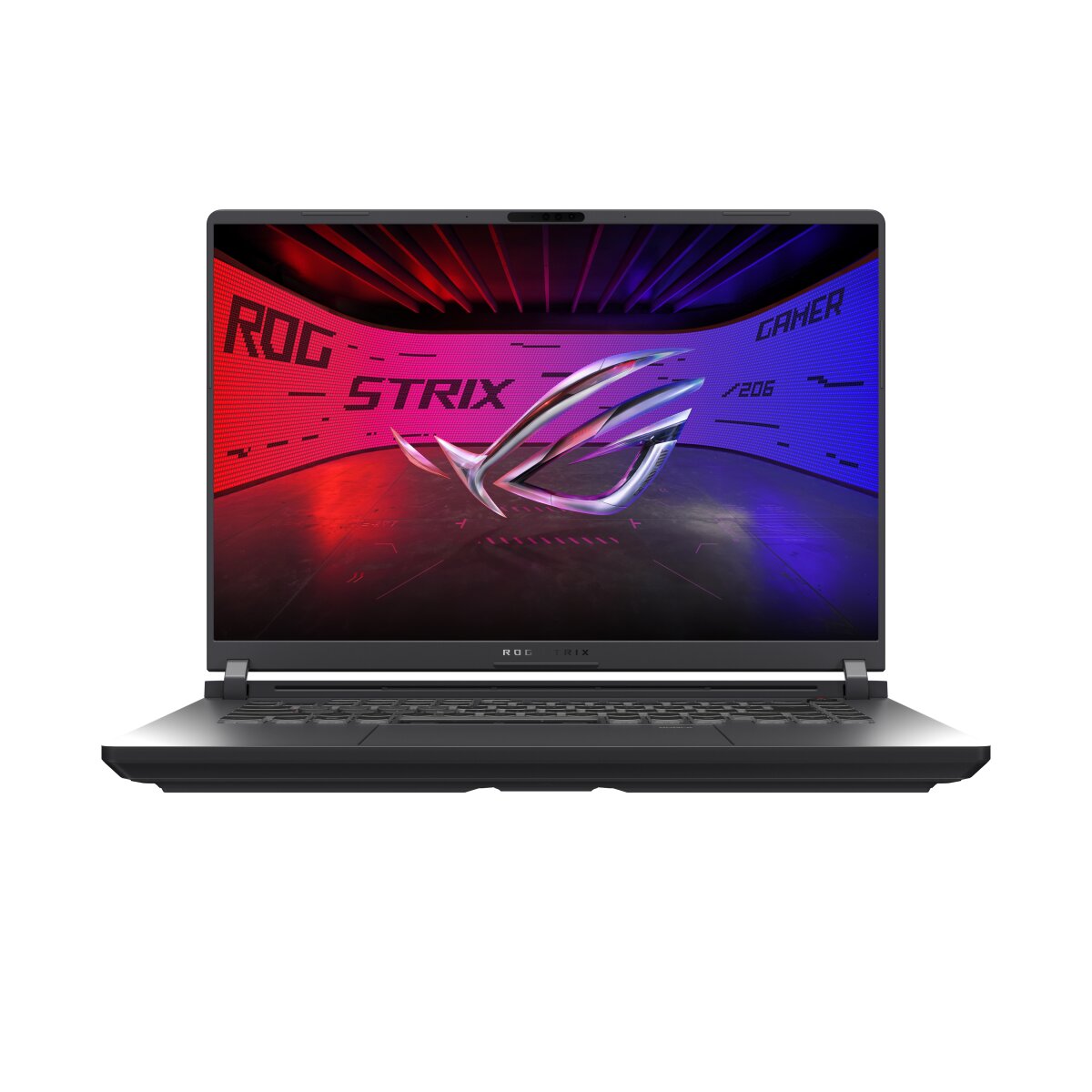
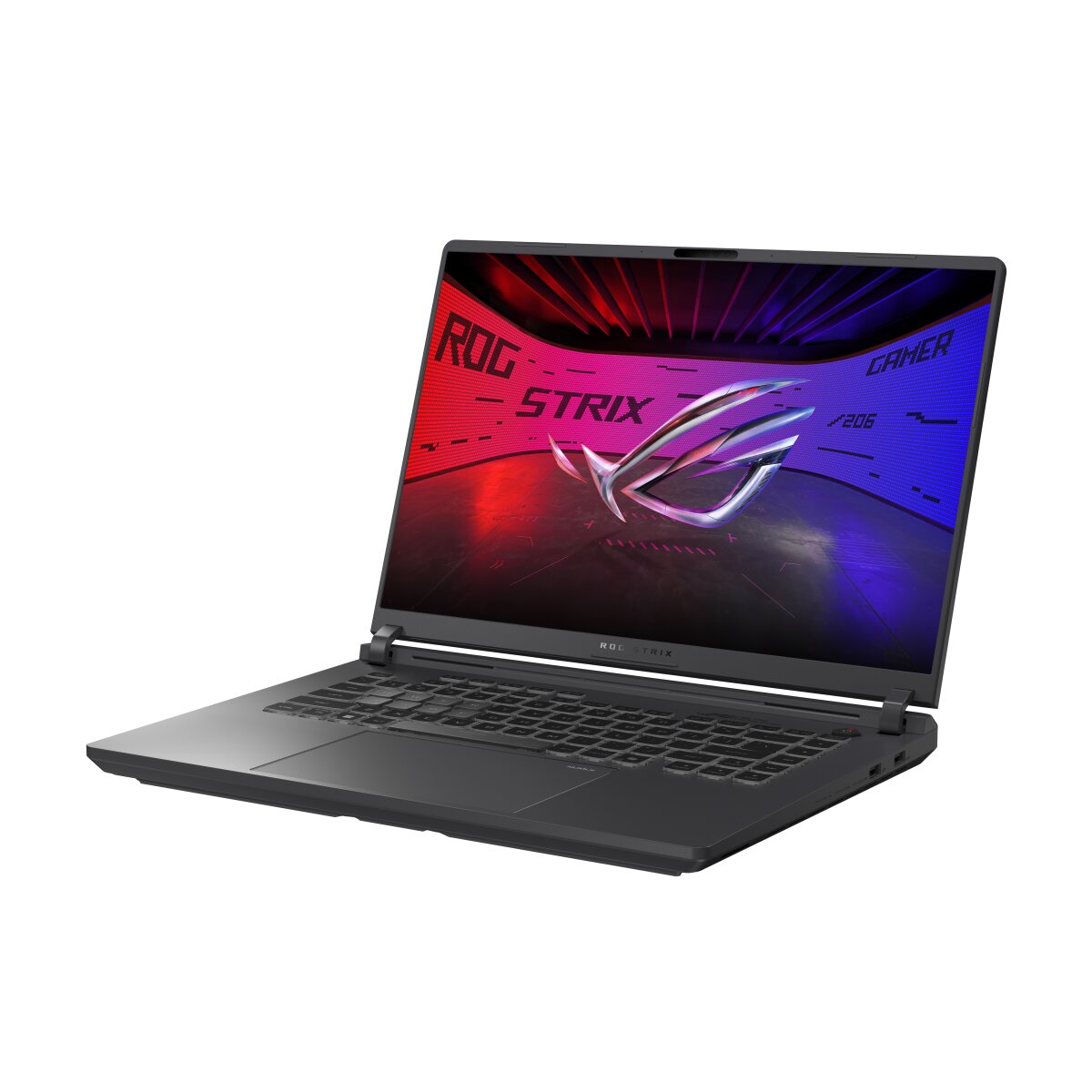
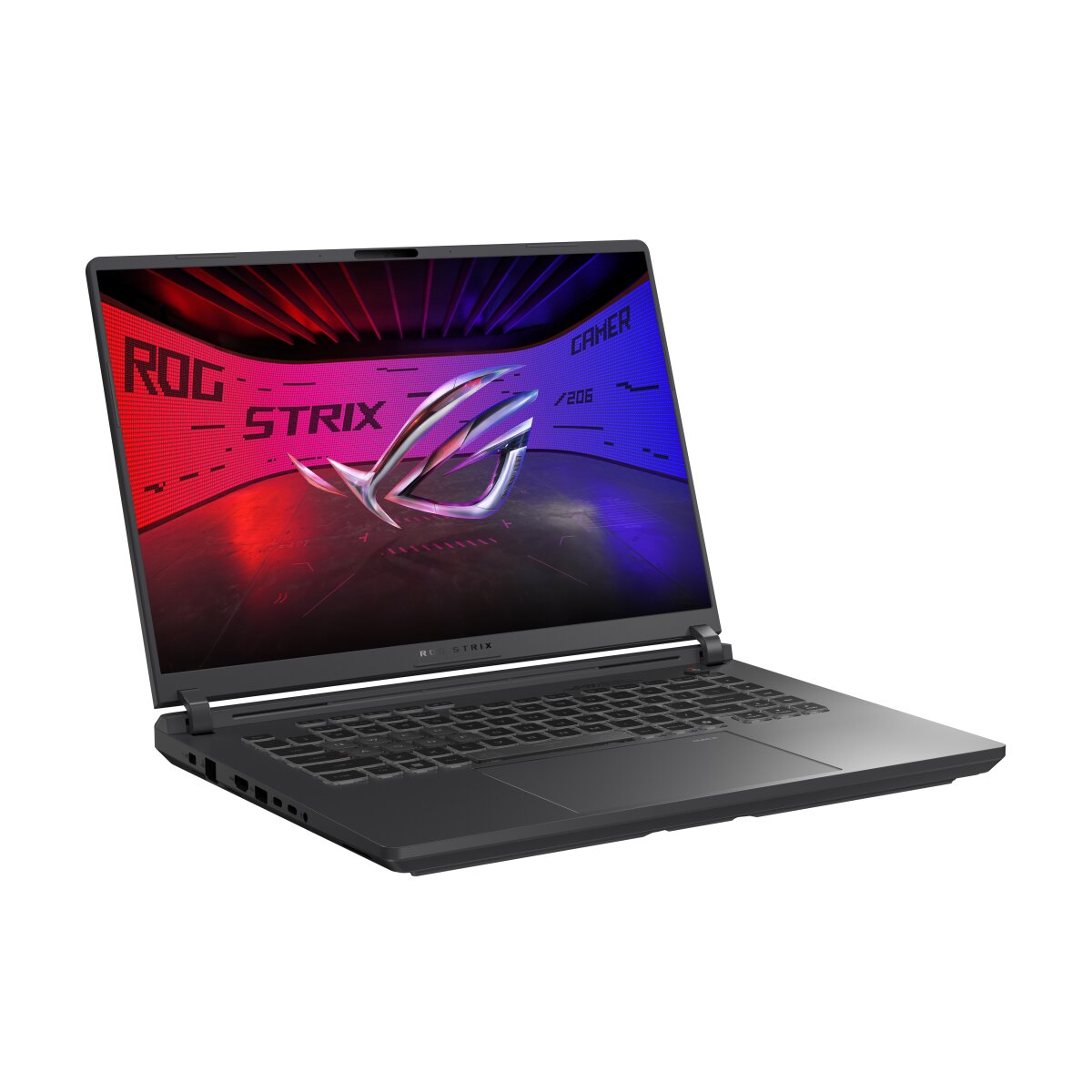
ASUS ROG Strix G16 model G615LW-S5193W supports DDR5-SDRAM memory upgrades. The laptop features two SO-DIMM slots accommodating maximum RAM capacity of 64 GB. Compatible memory operates at 5600 MHz frequency. Current specifications detail the memory upgrade slots and maximum capacity supported by this gaming laptop model. DDR5-SDRAM modules in SO-DIMM form factor are compatible with the G615LW-S5193W specifications.
Memory Upgrade Specifications
| Specification | Value |
|---|---|
| Memory slots | 2x SO-DIMM |
| Form factor | SO-DIMM |
| Memory type | DDR5-SDRAM |
| Frequency | 5600 MHz |
| Maximum RAM | 64 GB |
| Voltage | 1.1V |
| Number of pins | 262-pin |
| Interface | PC5 |
| PC Speed Rating | PC5-5600 (PC5-44800) |
| Bandwidth | 44.8 GB/s |
Additional Notes
- The SO-DIMM form factor limits module availability compared to desktop DIMM alternatives, particularly for high-capacity configurations.
- DDR5 architecture requires modules to be installed in matched pairs for optimal dual-channel bandwidth utilization in this 2-slot configuration.
- The 5600 MHz native frequency operates beyond JEDEC standard specifications, requiring XMP/EXPO profile support for advertised speeds.
- Thermal constraints in the ASUS ROG G615LW-S5193W chassis may throttle sustained memory-intensive workloads despite rated specifications.
- The 64 GB ceiling necessitates 32 GB modules per slot, which carry premium pricing relative to lower-density alternatives.
- Non-ECC DDR5 SO-DIMM compatibility prevents data integrity features available in server-grade configurations.
- The 2-slot limitation eliminates incremental upgrade paths once populated, forcing complete module replacement for capacity increases.
- Voltage regulation occurs on-module with DDR5 PMIC integration, reducing motherboard compatibility issues but complicating fault diagnosis.
- Mixed-capacity configurations will clock down to the lowest common frequency and timing specifications across installed modules.
- The absence of soldered memory preserves user-serviceable upgrades without specialized tools or board-level rework.
- Aftermarket modules must conform to JEDEC height specifications to avoid physical interference with adjacent cooling assemblies.
- The platform lacks official support for overclocked frequencies beyond 5600 MHz despite theoretical DDR5 headroom.