ASUS ROG STRIX-G16-G614JV-N4008W RAM upgrade specifications
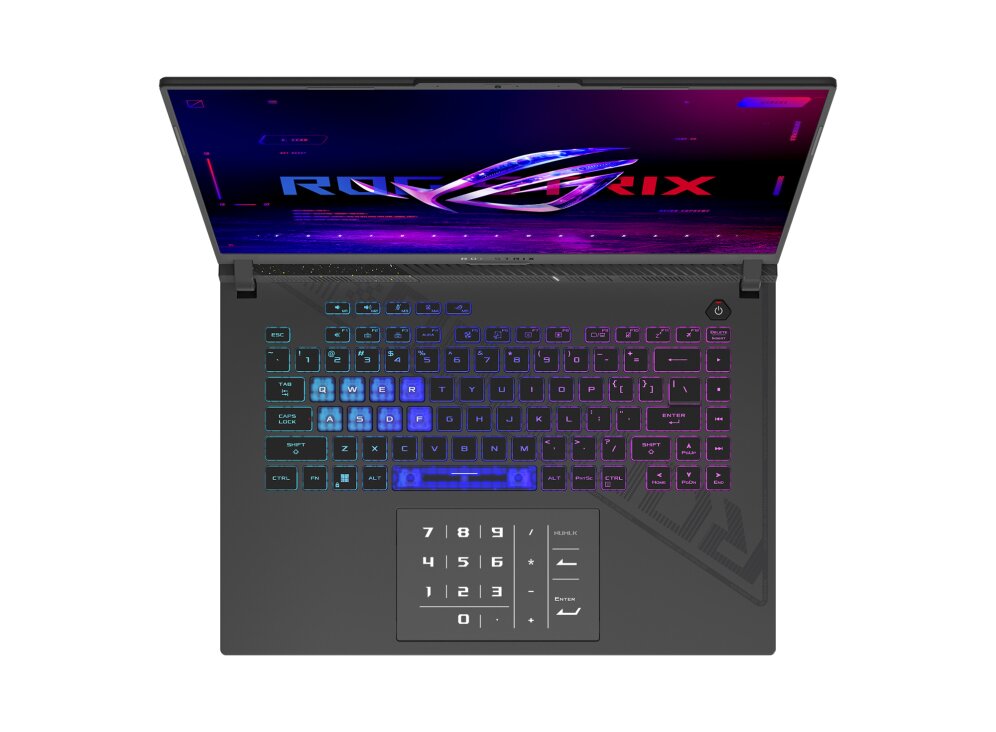


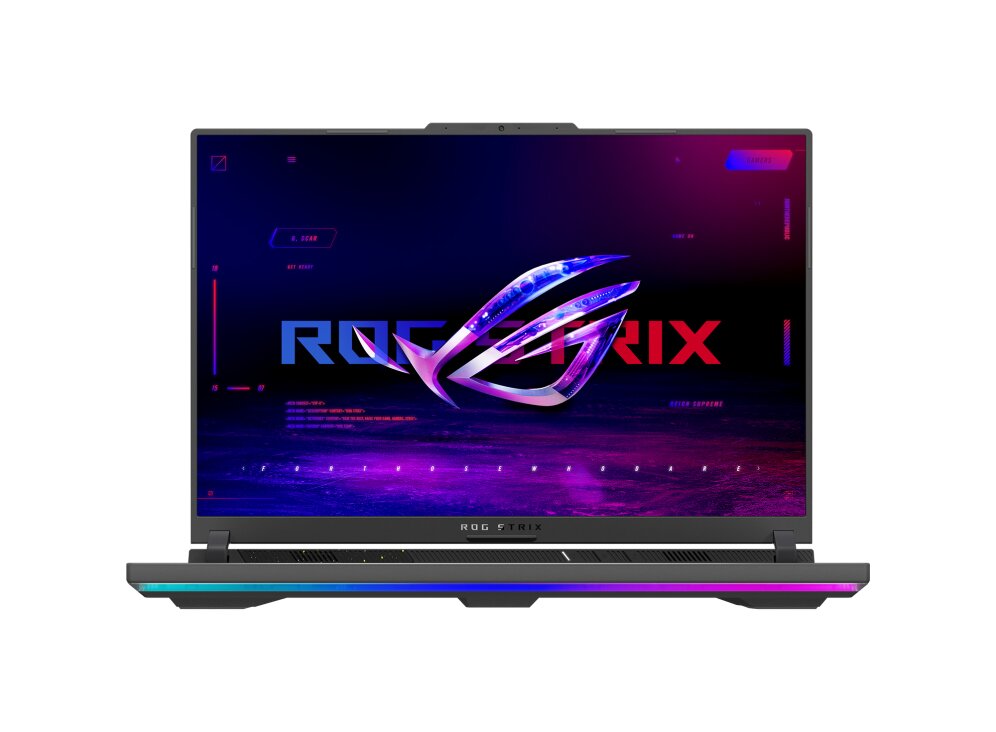

ASUS ROG Strix G16 model STRIX-G16-G614JV-N4008W features DDR5-SDRAM memory upgrade capabilities. The laptop contains 2x SO-DIMM slots supporting maximum RAM capacity of 32 GB. Compatible memory modules operate at 4800 MHz frequency with SO-DIMM form factor. Specifications indicate DDR5 memory technology for gaming and professional applications. Current memory configuration allows installation of DDR5 modules meeting the laptop's compatibility requirements and maximum capacity specifications.
Memory Upgrade Specifications
| Specification | Value |
|---|---|
| Memory slots | 2x SO-DIMM |
| Form factor | SO-DIMM |
| Memory type | DDR5-SDRAM |
| Frequency | 4800 MHz |
| Maximum RAM | 32 GB |
| Voltage | 1.1V |
| Number of pins | 262-pin |
| Interface | PC5 |
| PC Speed Rating | PC5-4800 (PC5-38400) |
| Bandwidth | 38.4 GB/s |
| Laptop Release date | 03 April 2023 |
Additional Notes
- The 2x SO-DIMM configuration in the ASUS ROG STRIX-G16-G614JV-N4008W necessitates dual-channel population for optimal memory bandwidth. Populating a single slot reduces effective throughput by approximately 50 percent compared to matched pairs, creating a performance penalty during multithreaded workloads and GPU-accelerated tasks.
- The 32 GB ceiling constrains memory-intensive workflows. Virtual machine deployments, 3D rendering projects, and dataset processing operations exceeding 24-28 GB of active allocation will force reliance on storage-based paging, degrading responsiveness by orders of magnitude relative to DDR5 speeds.
- SO-DIMM modules occupy a restricted physical envelope beneath the keyboard deck. Thermal interference from adjacent components, particularly the CPU heat sink assembly, can impede active cooling flow. High-frequency DDR5 modules (4800 MHz) generate measurable heat; passive airflow verification is necessary before installation to prevent thermal throttling cascades.
- DDR5-4800 MHz operation depends on BIOS-level XMP/EXPO profile activation. Default JEDEC settings typically operate at lower frequencies (5600 MHz absolute maximum for this generation); manual enablement is required to realize the rated 4800 MHz specification, and BIOS updates may alter profile stability.
- The 2-slot architecture eliminates staged expansion pathways. Upgrading from 16 GB to 32 GB requires complete module replacement rather than additive installation, creating disposal obligations for existing memory and higher total acquisition cost.
- SO-DIMM modules exhibit higher voltage sensitivity than UDIMM counterparts due to compact substrate density. Incompatible XMP profiles or aggressive timing adjustments risk voltage excursions that void thermal specifications without triggering hardware protection mechanisms, potentially shortening component lifespan silently.