ASUS ROG 90NR0C34-M00CT0 RAM upgrade specifications



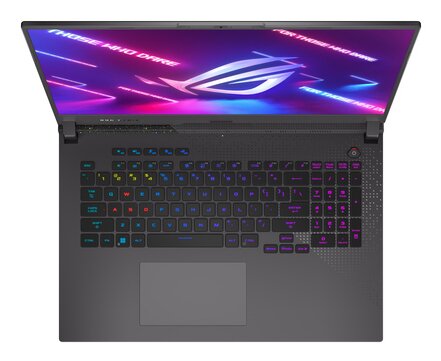
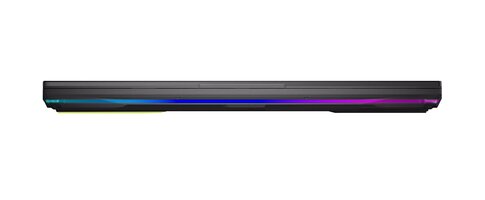
ASUS ROG Strix G17 model 90NR0C34-M00CT0 RAM upgrade specifications indicate DDR5-SDRAM memory type with maximum capacity of 32 GB. The laptop features 2x SO-DIMM memory slots supporting SO-DIMM form factor modules. Compatible memory operates at 4800 MHz frequency. Upgrade configurations allow installation of DDR5 modules up to the maximum 32 GB capacity across the available slots for enhanced system performance and multitasking capabilities.
Memory Upgrade Specifications
| Specification | Value |
|---|---|
| Memory slots | 2x SO-DIMM |
| Form factor | SO-DIMM |
| Memory type | DDR5-SDRAM |
| Frequency | 4800 MHz |
| Maximum RAM | 32 GB |
| Voltage | 1.1V |
| Number of pins | 262-pin |
| Interface | PC5 |
| PC Speed Rating | PC5-4800 (PC5-38400) |
| Bandwidth | 38.4 GB/s |
Additional Notes
- DDR5 SO-DIMM modules operate at higher voltages (1.1V) than DDR4 predecessors, requiring verification that replacement modules meet JEDEC DDR5 specifications to prevent hardware damage during installation.
- The 4800 MHz frequency ceiling constrains module selection to DDR5 variants rated for this speed or lower; faster DDR5-5600 or DDR5-6400 modules will downclock to 4800 MHz, eliminating performance gains while increasing cost unnecessarily.
- Two SO-DIMM slots with 32 GB maximum capacity mean symmetric dual-channel configurations require 16 GB modules in each slot; single-module or asymmetrical configurations will reduce memory bandwidth by approximately 50 percent, creating a performance bottleneck for multithreaded workloads.
- SO-DIMM form factor restricts upgrades to laptop-specific memory; desktop DDR5 UDIMM modules are physically incompatible and will not seat in the ASUS ROG 90NR0C34-M00CT0 memory slots regardless of electrical specifications.
- Factory memory configuration cannot be determined from specifications alone; replacing OEM modules may void warranty coverage unless the manufacturer explicitly permits user-installed memory upgrades through written documentation.
- Memory speed negotiation occurs during boot; incompatible module timings or voltage settings may trigger BIOS automatic downclocking or throttling, reducing effective bandwidth to 3200 MHz or lower until memory parameters are manually configured.