ASUS ROG G712LW-EV023R RAM upgrade specifications
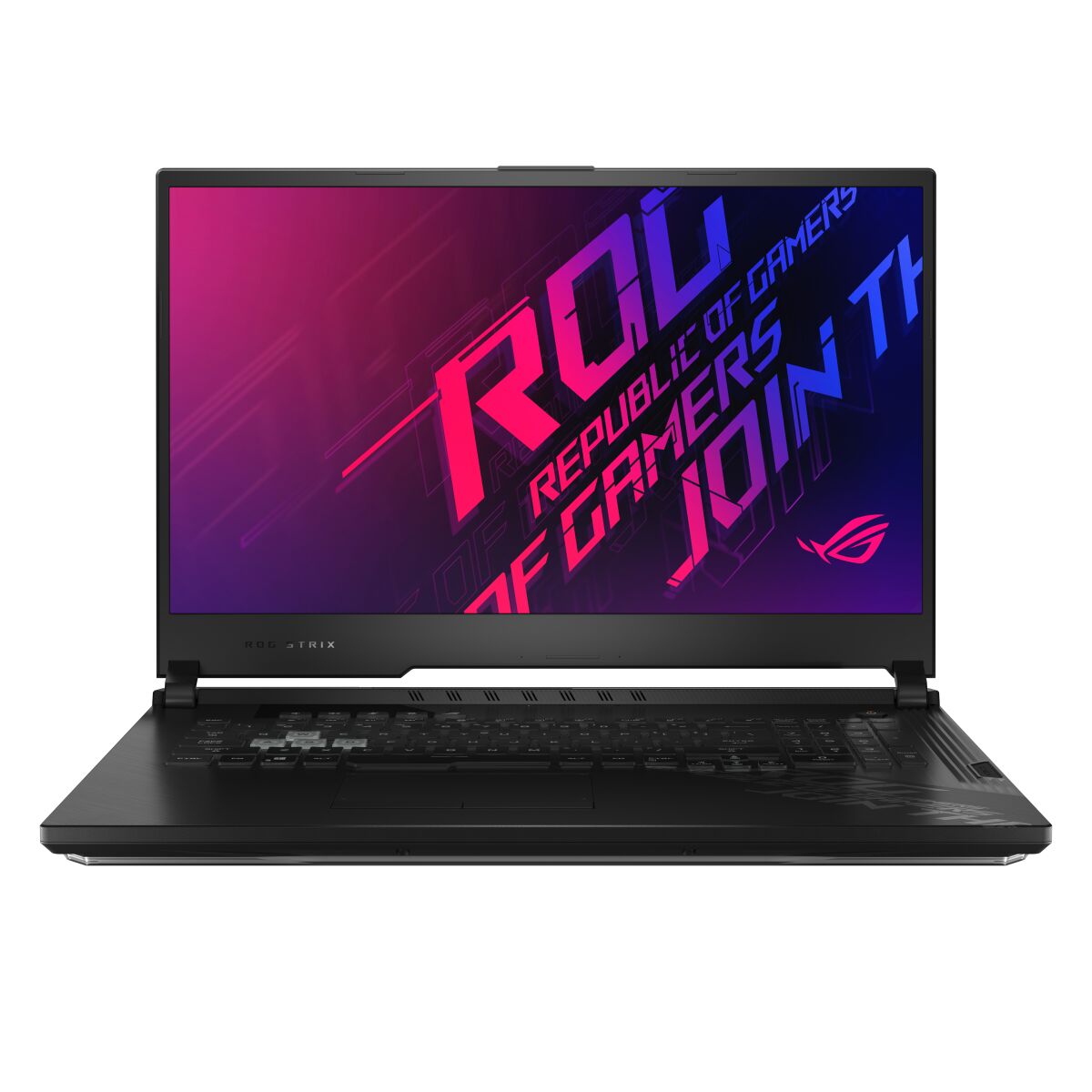

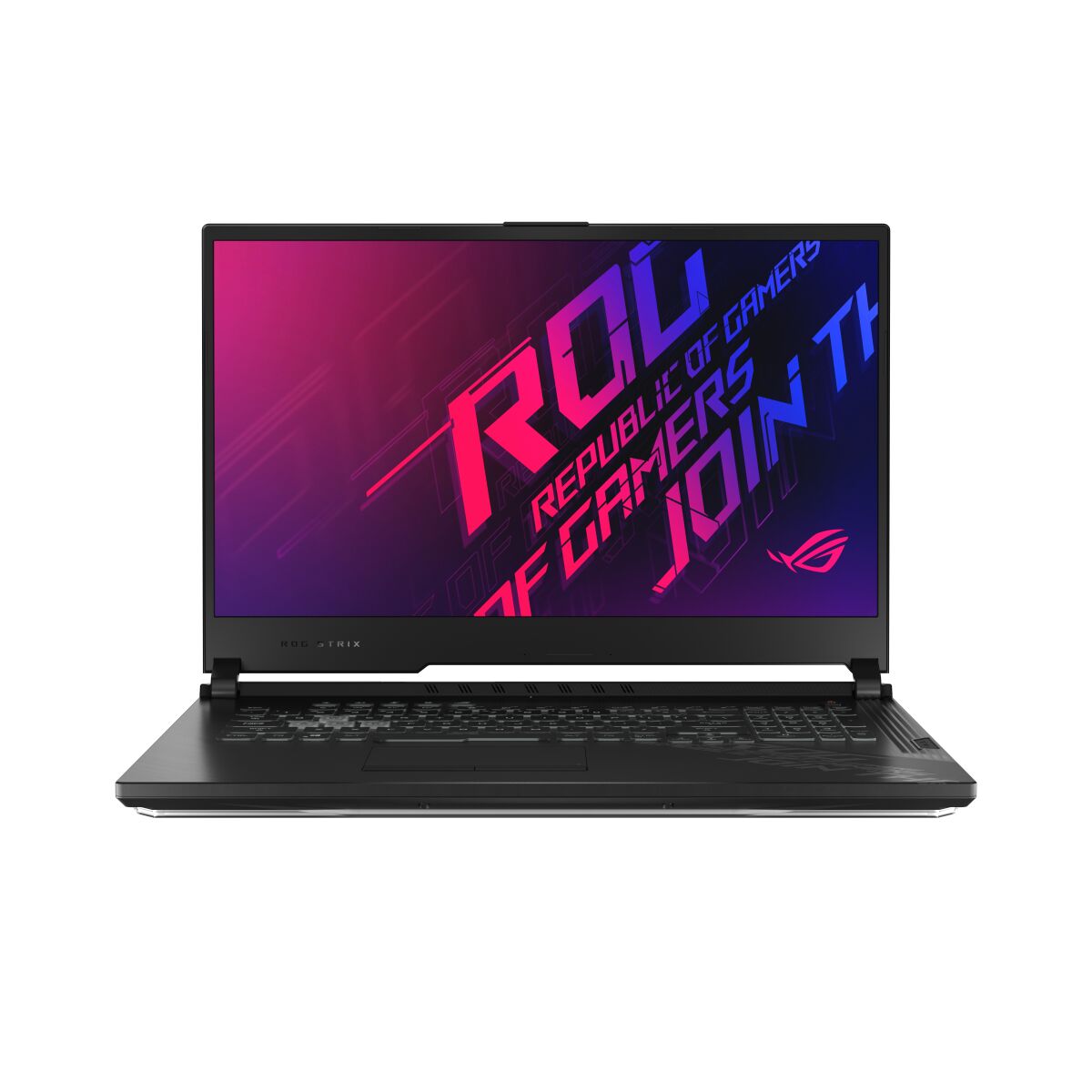
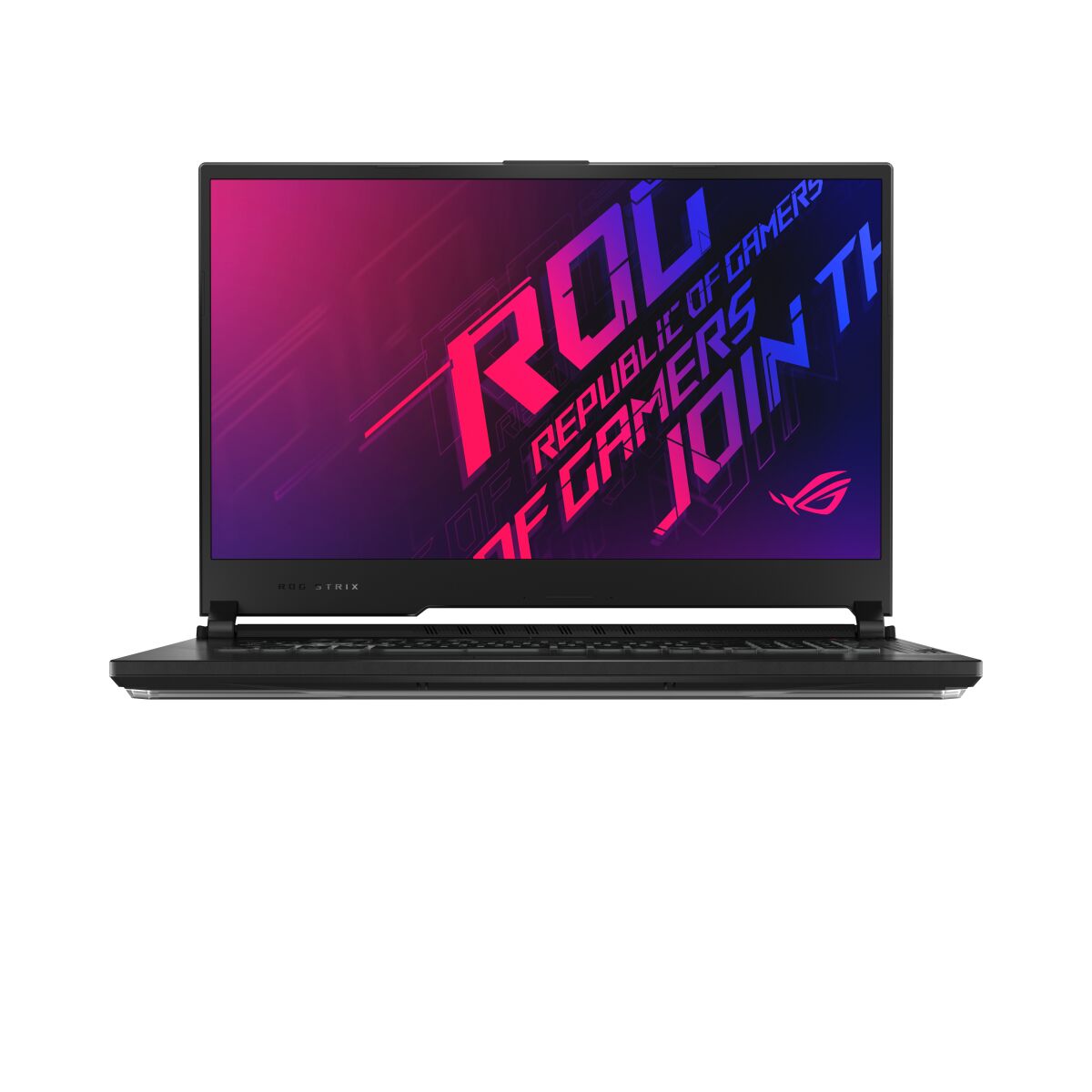
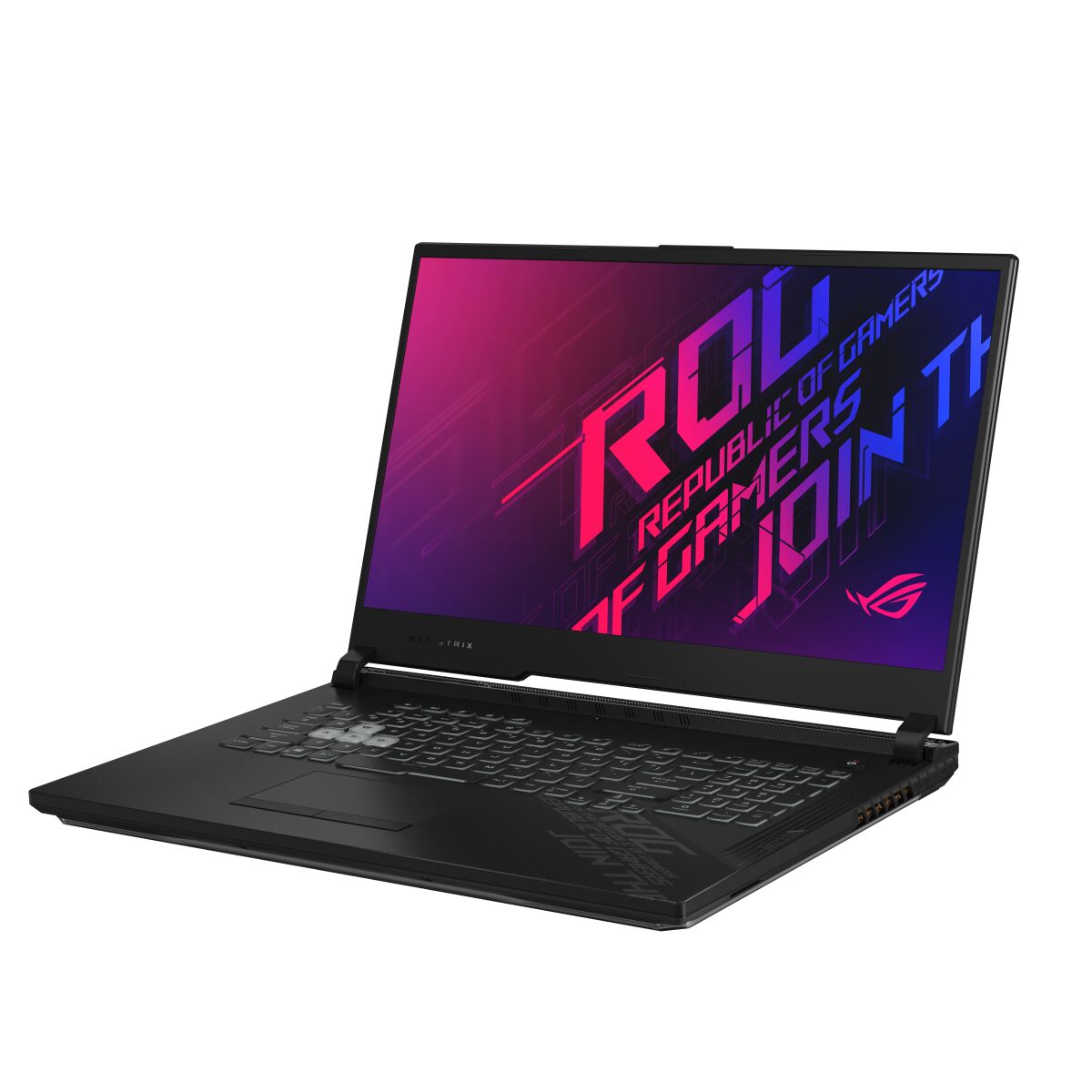
ASUS ROG Strix G17 G712LW-EV023R gaming laptop features DDR4-SDRAM memory configuration with two SO-DIMM slots for upgrade capability. Maximum RAM capacity reaches 32 GB total, supporting DDR4 modules at 3200 MHz frequency. Compatible memory upgrades utilize SO-DIMM form factor specifications. Current memory slots allow for dual-channel memory configuration. RAM upgrade specifications enable expansion from factory-installed capacity to maximum supported 32 GB capacity. Frequency specifications maintain 3200 MHz compatibility for memory modules in upgrade slots.
Memory Upgrade Specifications
| Specification | Value |
|---|---|
| Memory slots | 2x SO-DIMM |
| Form factor | SO-DIMM |
| Memory type | DDR4-SDRAM |
| Frequency | 3200 MHz |
| Maximum RAM | 32 GB |
| Voltage | 1.2V |
| Number of pins | 260-pin |
| Interface | PC4 |
| PC Speed Rating | PC4-3200 (PC4-25600) |
| Bandwidth | 25.6 GB/s |
| Laptop Release date | 04 July 2020 |
Additional Notes
- The ASUS ROG G712LW-EV023R contains 2 SO-DIMM slots operating at 3200 MHz, which means both slots must be populated simultaneously to achieve dual-channel bandwidth. Single-slot configurations force the system into single-channel mode, reducing memory throughput by approximately 50 percent and creating a performance bottleneck for GPU-intensive tasks common in gaming laptops.
- Upgrading to the 32 GB maximum requires matched pairs of 16 GB SO-DIMM modules rated for DDR4-3200. Mismatched capacities or speed ratings will trigger memory downclocking to the slower module's specification, negating upgrade performance gains.
- SO-DIMM form factor dictates that standard desktop DDR4 modules are physically incompatible with this system. Attempting desktop DIMM installation will damage the connector and void the warranty.
- The 3200 MHz specification represents the native JEDEC standard for this generation, not an overclocked frequency. Replacement modules rated at 2666 MHz or lower will function but operate below the platform's rated capability, resulting in measurable performance loss in latency-sensitive workloads.
- Warranty coverage typically permits RAM replacement without authorization, provided modules meet DDR4-SDRAM specifications and SO-DIMM form factor requirements. Mixing branded and non-branded modules from reputable manufacturers does not void coverage in most regions.