ASUS ROG G712LW-EV0741 RAM upgrade specifications
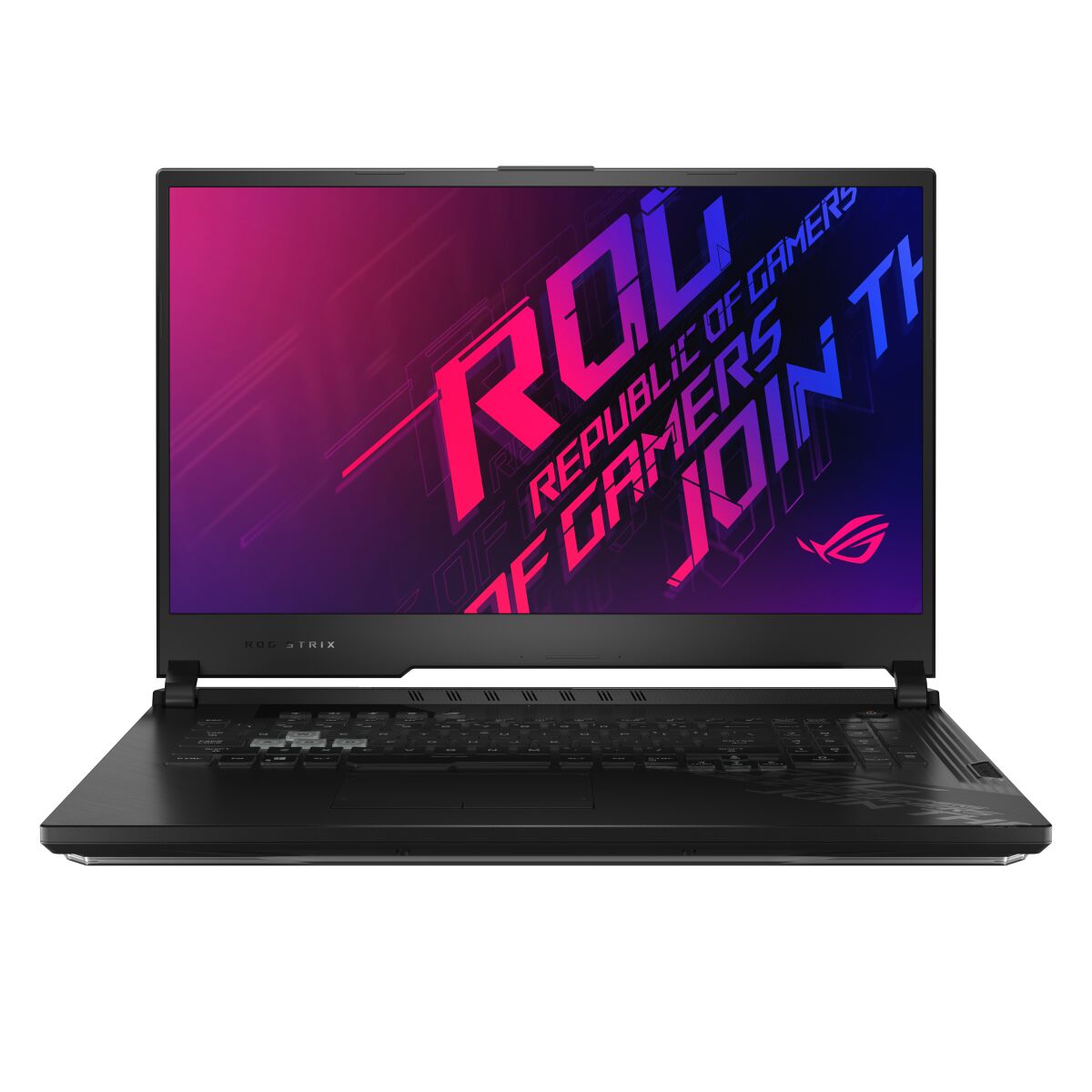




ASUS ROG Strix G17 model G712LW-EV0741 features DDR4-SDRAM memory upgrade specifications. The laptop contains 2x SO-DIMM slots supporting maximum RAM capacity of 32 GB. Memory modules operate at 3200 MHz frequency. Upgrades utilize SO-DIMM form factor for compatible replacement and expansion options. Current specifications enable configuration up to 32 GB total memory across available slots for enhanced system performance.
Memory Upgrade Specifications
| Specification | Value |
|---|---|
| Memory slots | 2x SO-DIMM |
| Form factor | SO-DIMM |
| Memory type | DDR4-SDRAM |
| Frequency | 3200 MHz |
| Maximum RAM | 32 GB |
| Voltage | 1.2V |
| Number of pins | 260-pin |
| Interface | PC4 |
| PC Speed Rating | PC4-3200 (PC4-25600) |
| Bandwidth | 25.6 GB/s |
| Laptop Release date | 19 January 2021 |
Additional Notes
- The absence of soldered memory on the ASUS G712LW-EV0741 motherboard ensures that the entire system memory remains serviceable and replaceable in the event of a module failure.
- Dual channel architecture requires matching memory capacities and timings across both slots to achieve peak data transfer rates and minimize processor stalls.
- The hardware architecture imposes a hard ceiling on addressable memory at 32 GB, rendering higher capacity modules incompatible or unrecognized by the system firmware.
- Installing modules with higher clock speeds results in downclocking to the 3200 MHz limit dictated by the integrated memory controller.
- The SO-DIMM form factor necessitates the use of small outline modules designed for 260 pin slots, as standard desktop DIMM modules are physically incompatible.
- Populating both slots serves to maximize the available memory bandwidth, which is critical for reducing frame time variances in high refresh rate gaming scenarios.
- Accessing the internal memory slots requires the removal of the bottom chassis panel, which entails managing sensitive internal ribbon cables for integrated lighting components.
- Latency performance depends on the CAS latency rating of the chosen modules, as the system will default to the highest common denominator between the two installed sticks.