ASUS ROG G713IC-HX010W RAM upgrade specifications
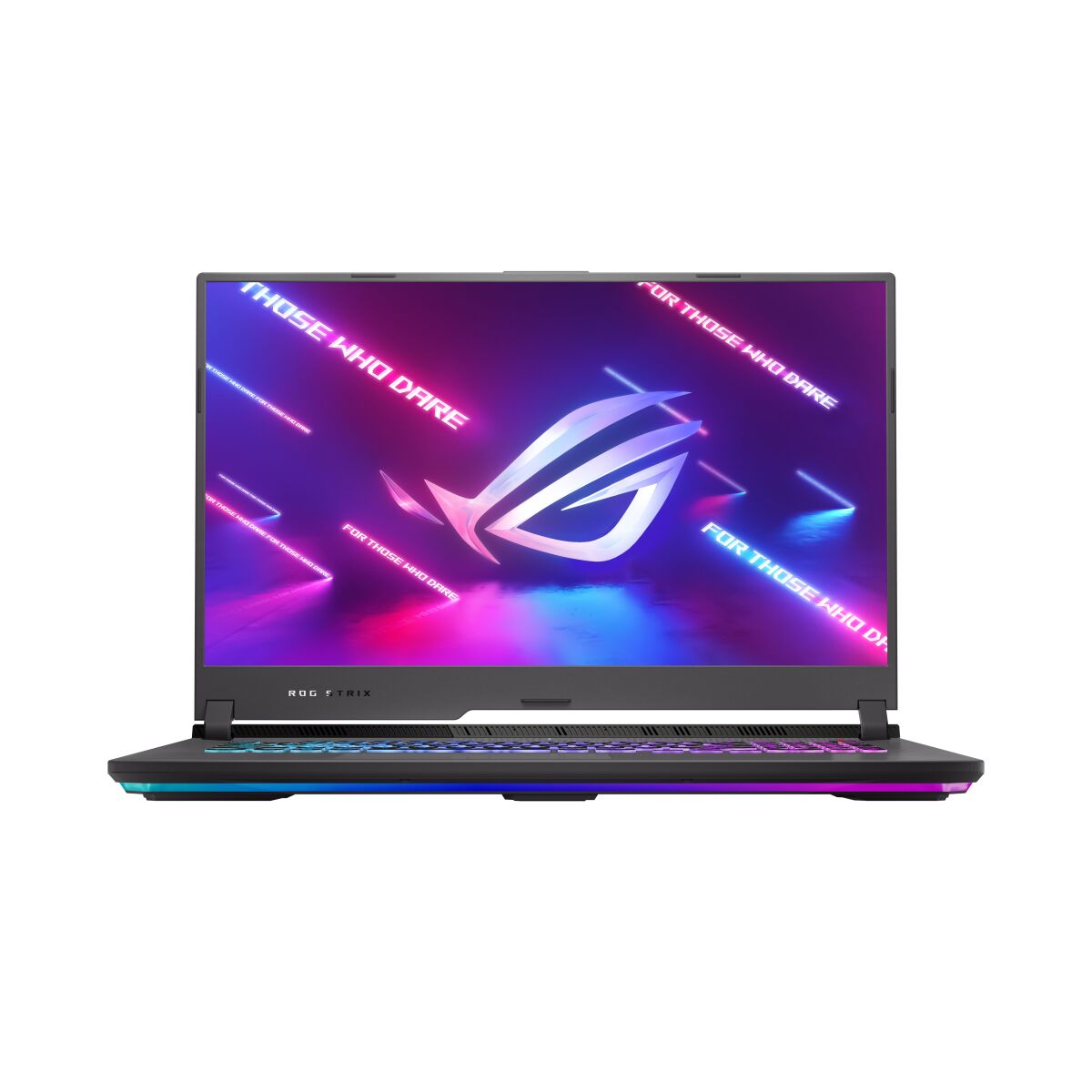


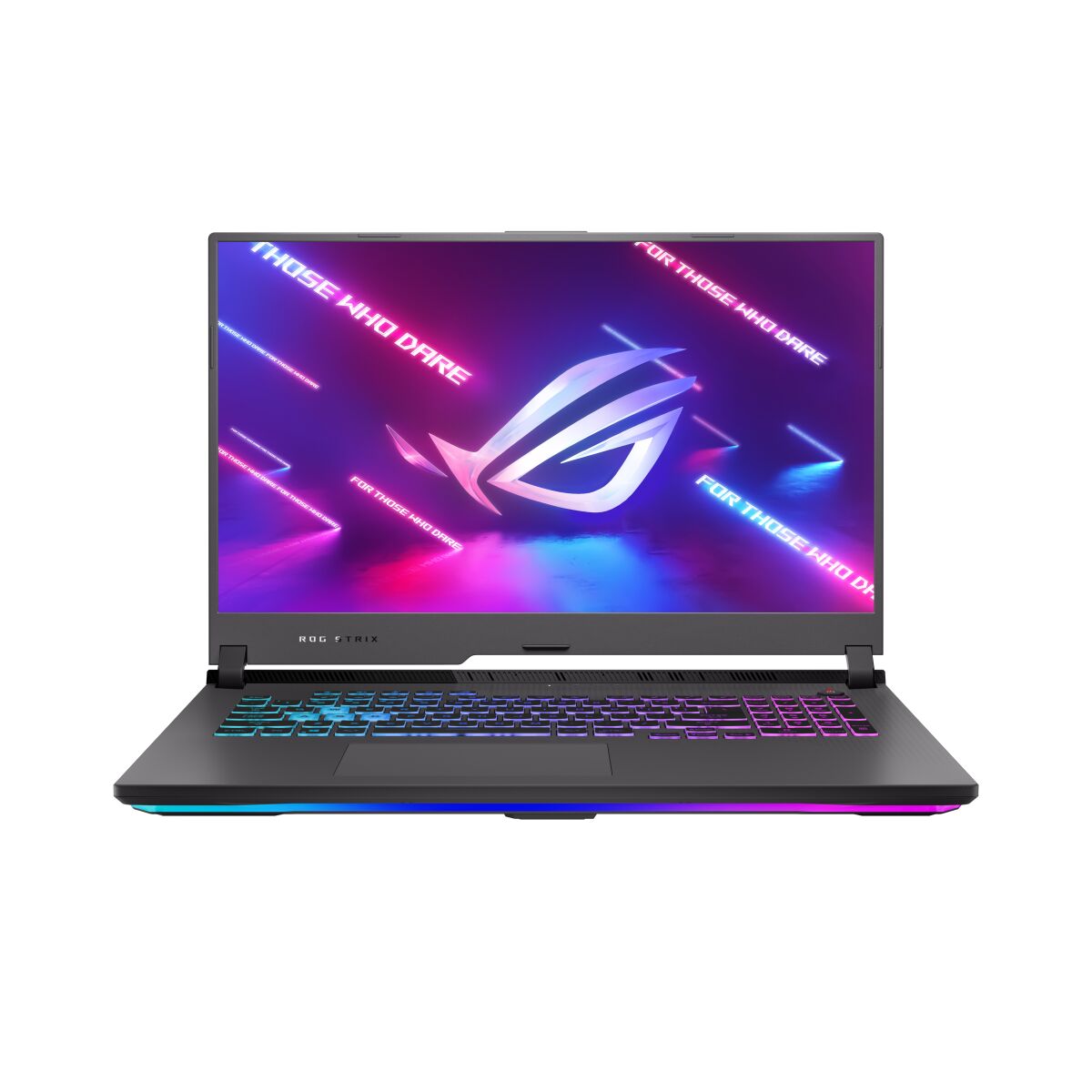

ASUS ROG Strix G17 G713IC-HX010W supports DDR4-SDRAM memory upgrades through 2x SO-DIMM slots. The laptop features a maximum RAM capacity of 32 GB total, with compatible modules operating at 3200 MHz frequency. Specifications indicate the memory form factor utilizes SO-DIMM configuration for this gaming laptop model. Current upgrade options allow users to expand memory capacity by replacing or adding DDR4-SDRAM modules within the dual slot configuration to reach maximum supported specifications.
Memory Upgrade Specifications
| Specification | Value |
|---|---|
| Memory slots | 2x SO-DIMM |
| Form factor | SO-DIMM |
| Memory type | DDR4-SDRAM |
| Frequency | 3200 MHz |
| Maximum RAM | 32 GB |
| Voltage | 1.2V |
| Number of pins | 260-pin |
| Interface | PC4 |
| PC Speed Rating | PC4-3200 (PC4-25600) |
| Bandwidth | 25.6 GB/s |
| Laptop Release date | 21 January 2022 |
Additional Notes
- The ASUS ROG G713IC-HX010W supports DDR4 memory exclusively, preventing any DDR5 module installation regardless of physical compatibility attempts.
- The 32 GB maximum capacity limitation originates from chipset or BIOS constraints, making dual 32 GB module configurations non-functional even if physically inserted.
- SO-DIMM slots require laptop-specific memory modules, as desktop DIMM modules are physically incompatible due to different pin counts and physical dimensions.
- The 3200 MHz specification represents the validated speed ceiling, meaning higher frequency modules will either refuse to POST or downclock to this threshold.
- Dual-channel architecture requires matched pairs for optimal memory bandwidth, as mismatched modules may force single-channel operation or cause stability issues.
- The 2-slot configuration limits upgrade flexibility to either single-module expansion or complete pair replacement, with no intermediate slot availability.
- Memory timing compatibility depends on JEDEC standard adherence, as XMP profiles designed for desktop platforms may not activate or require manual BIOS configuration.
- ECC memory modules are incompatible with this consumer-grade platform, despite potential physical insertion capability.
- Voltage requirements are locked to standard DDR4 specifications (1.2V typical), preventing low-voltage or overvolting module variants from stable operation.
- Thermal constraints within the laptop chassis may throttle sustained memory-intensive workloads regardless of installed capacity or speed ratings.