ASUS ROG G713IC-HX023 RAM upgrade specifications
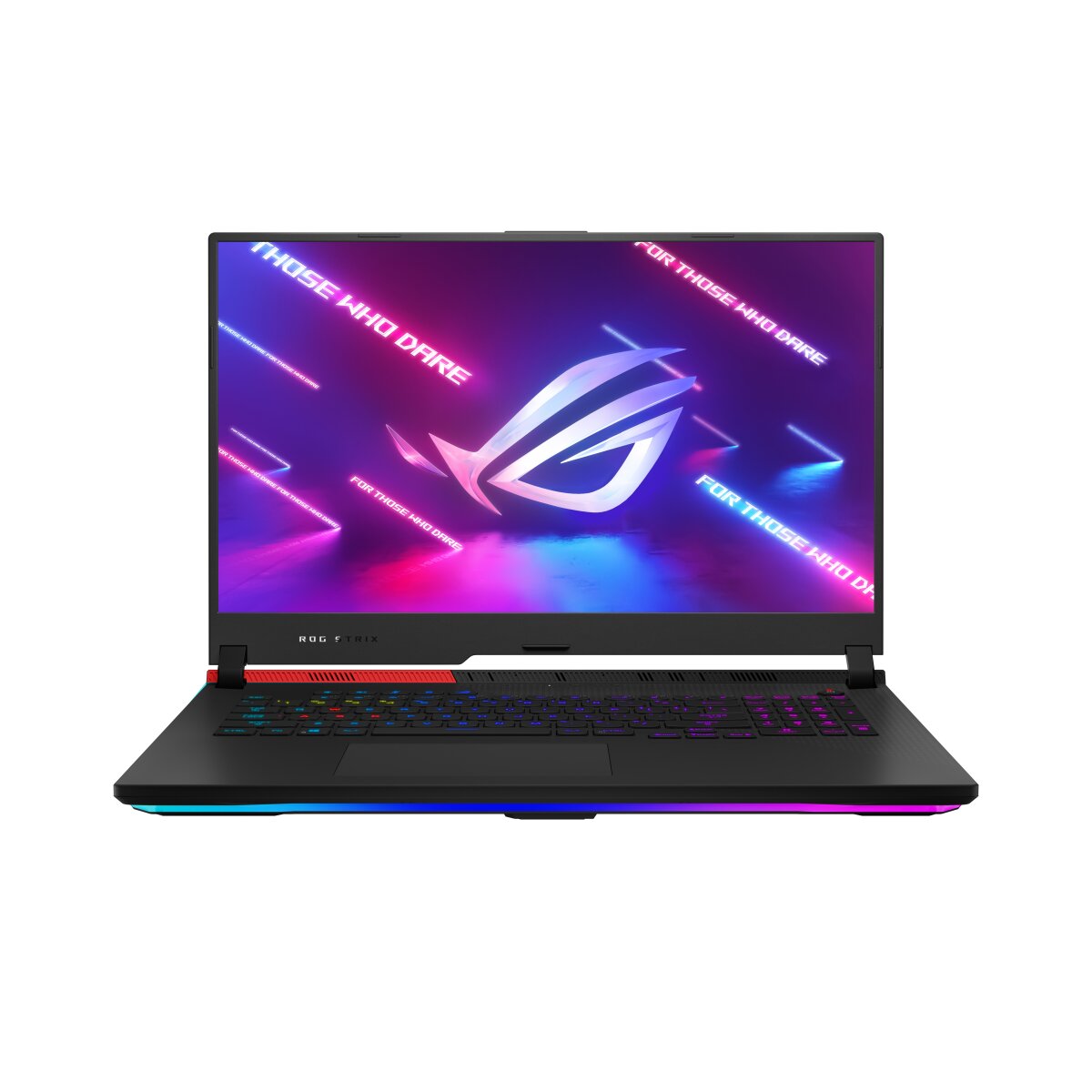
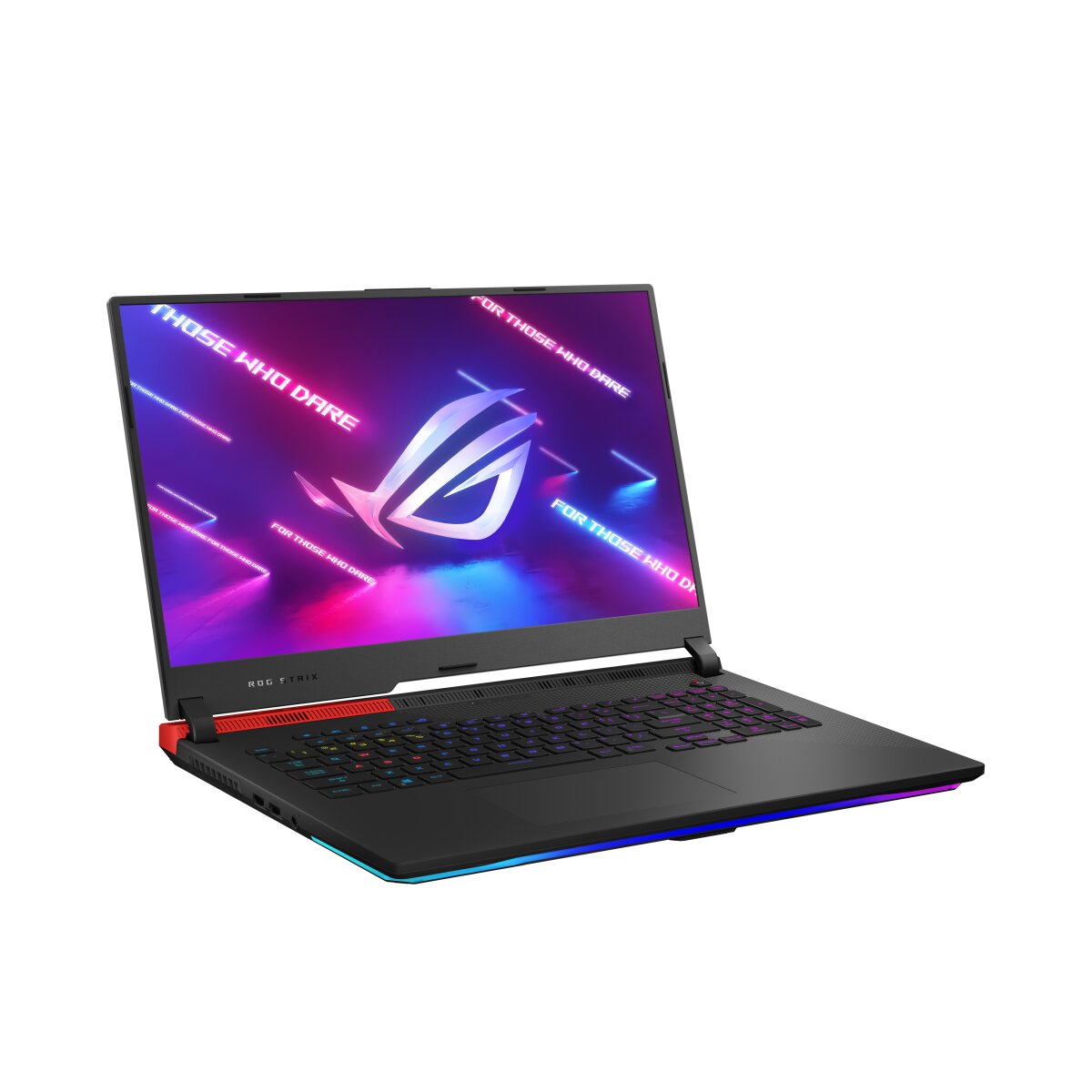
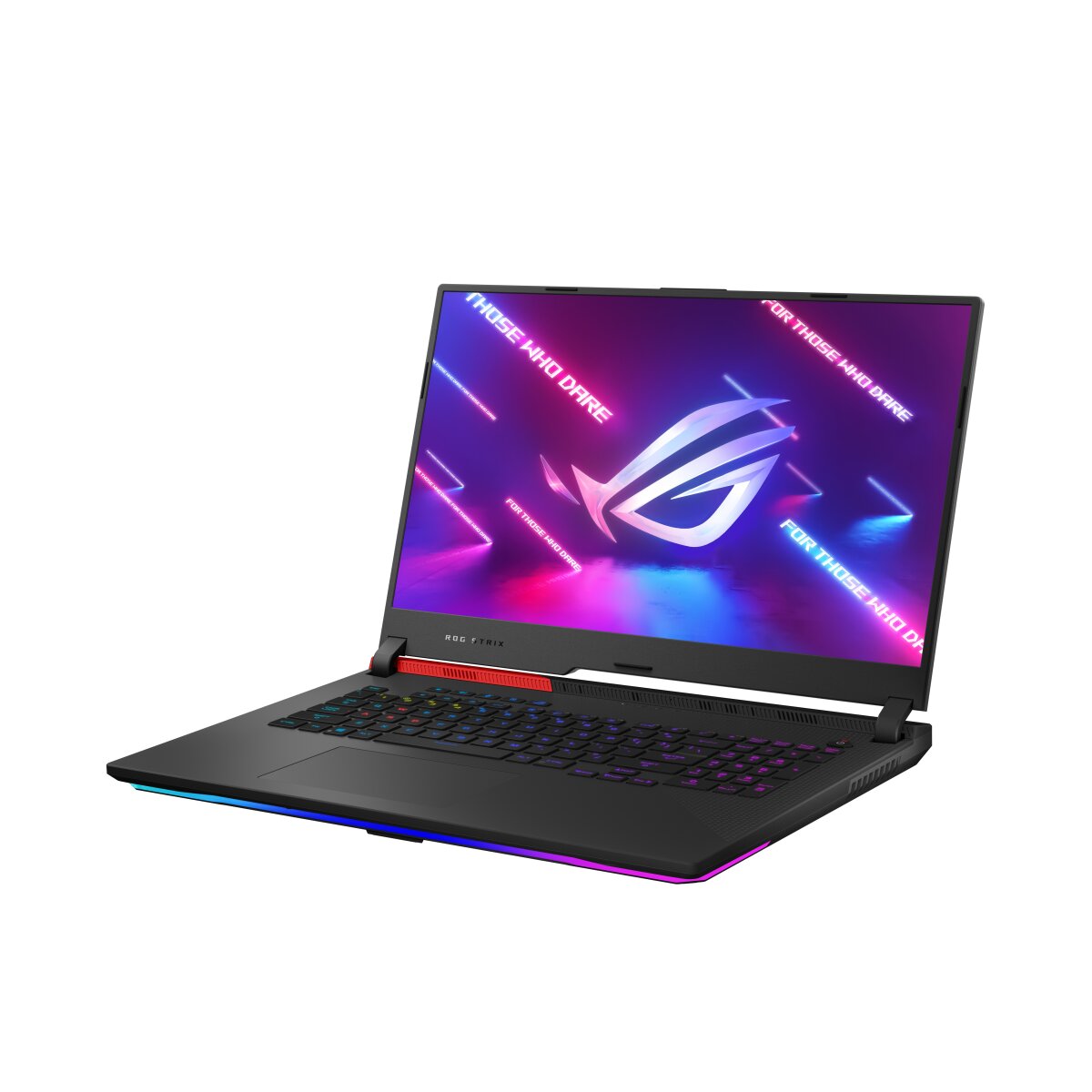
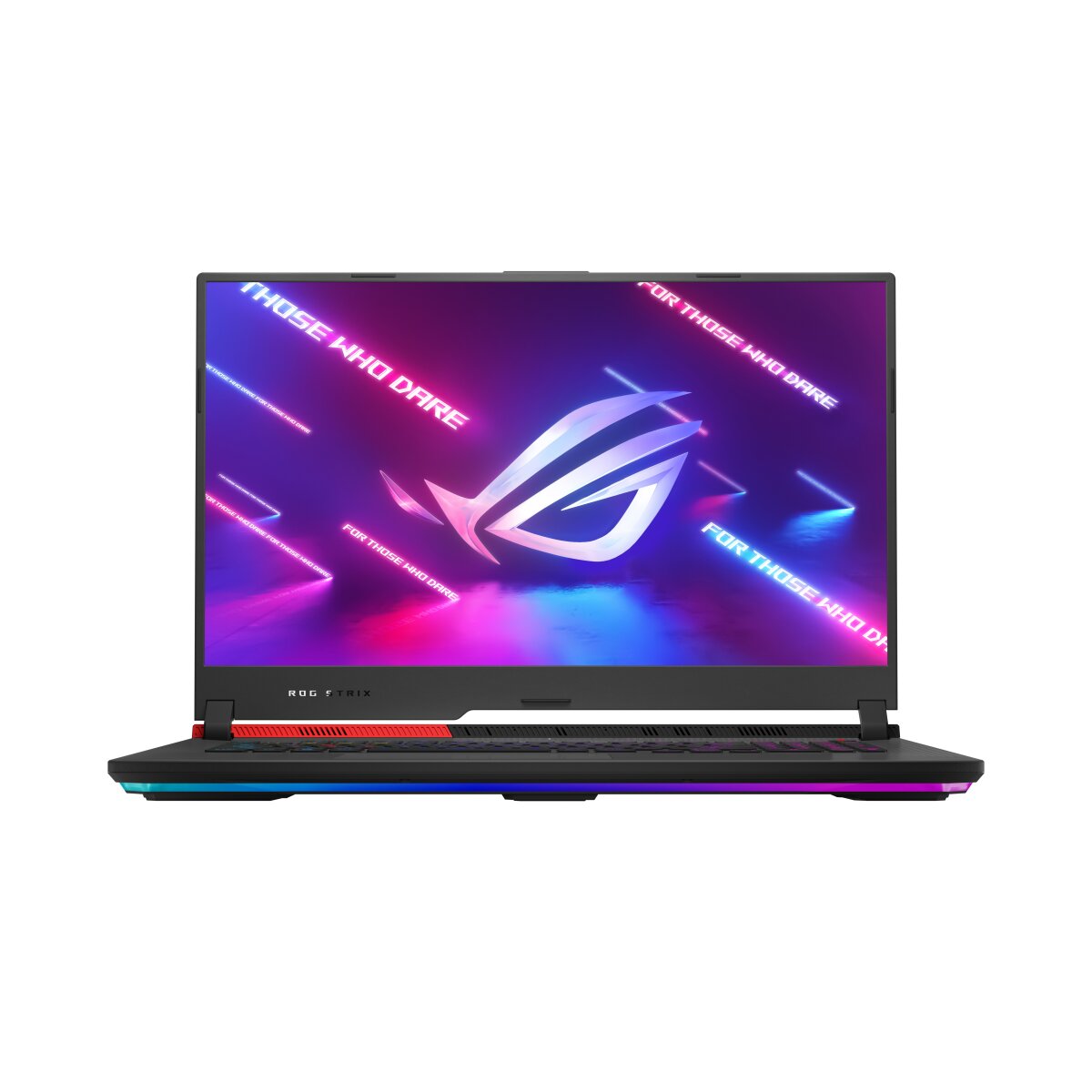

The ASUS ROG Strix G17 model G713IC-HX023 features DDR4-SDRAM memory upgrade specifications. The laptop contains two SO-DIMM slots compatible with DDR4 modules operating at 3200 MHz frequency. Maximum supported RAM capacity reaches 32 GB total across both memory slots. The SO-DIMM form factor allows for standard laptop memory upgrades. Specifications indicate compatible DDR4-SDRAM modules can be installed to enhance system performance and multitasking capabilities on the G713IC-HX023 model.
Memory Upgrade Specifications
| Specification | Value |
|---|---|
| Memory slots | 2x SO-DIMM |
| Form factor | SO-DIMM |
| Memory type | DDR4-SDRAM |
| Frequency | 3200 MHz |
| Maximum RAM | 32 GB |
| Voltage | 1.2V |
| Number of pins | 260-pin |
| Interface | PC4 |
| PC Speed Rating | PC4-3200 (PC4-25600) |
| Bandwidth | 25.6 GB/s |
| Laptop Release date | 25 August 2021 |
Additional Notes
- The ASUS ROG G713IC-HX023 requires SO-DIMM modules rather than standard desktop DIMMs, which limits compatibility to laptop-specific memory products with smaller physical dimensions.
- The 32 GB maximum capacity constraint indicates chipset or motherboard trace limitations that prevent recognition of higher-density modules, such as 32 GB sticks that would theoretically enable 64 GB total.
- DDR4-3200 represents a JEDEC standard speed rather than an overclocked profile, meaning modules should operate at rated frequency without requiring XMP or manual BIOS adjustments.
- Dual-channel architecture across 2 slots provides optimal memory bandwidth when populated with matched capacity modules, whereas mismatched sizes force the controller into asymmetric or flex mode with reduced performance.
- SO-DIMM installation in laptops typically requires complete bottom panel removal, creating potential warranty concerns if seals or screws have tamper-evident mechanisms not disclosed in user documentation.
- Memory frequency above 3200 MHz offers no performance advantage on this platform, as the memory controller enforces a hard limit that downclocks faster modules to the supported specification.
- The DDR4 generation designation means DDR5 modules are physically and electrically incompatible despite SO-DIMM form factor similarity, with different notch positions preventing insertion.
- Single-rank versus dual-rank module topology affects interleaving efficiency, though both configurations function within the 32 GB limit if total capacity remains compliant.
- Thermal considerations in laptop chassis may throttle performance under sustained memory-intensive workloads if upgraded modules lack adequate heat spreader design for confined airflow environments.
- Voltage specification defaults to 1.2V for standard DDR4, while low-voltage 1.1V variants exist but provide negligible battery life improvements in gaming-focused systems with discrete graphics power draw.