ASUS ROG G713IC-HX052T-BE RAM upgrade specifications
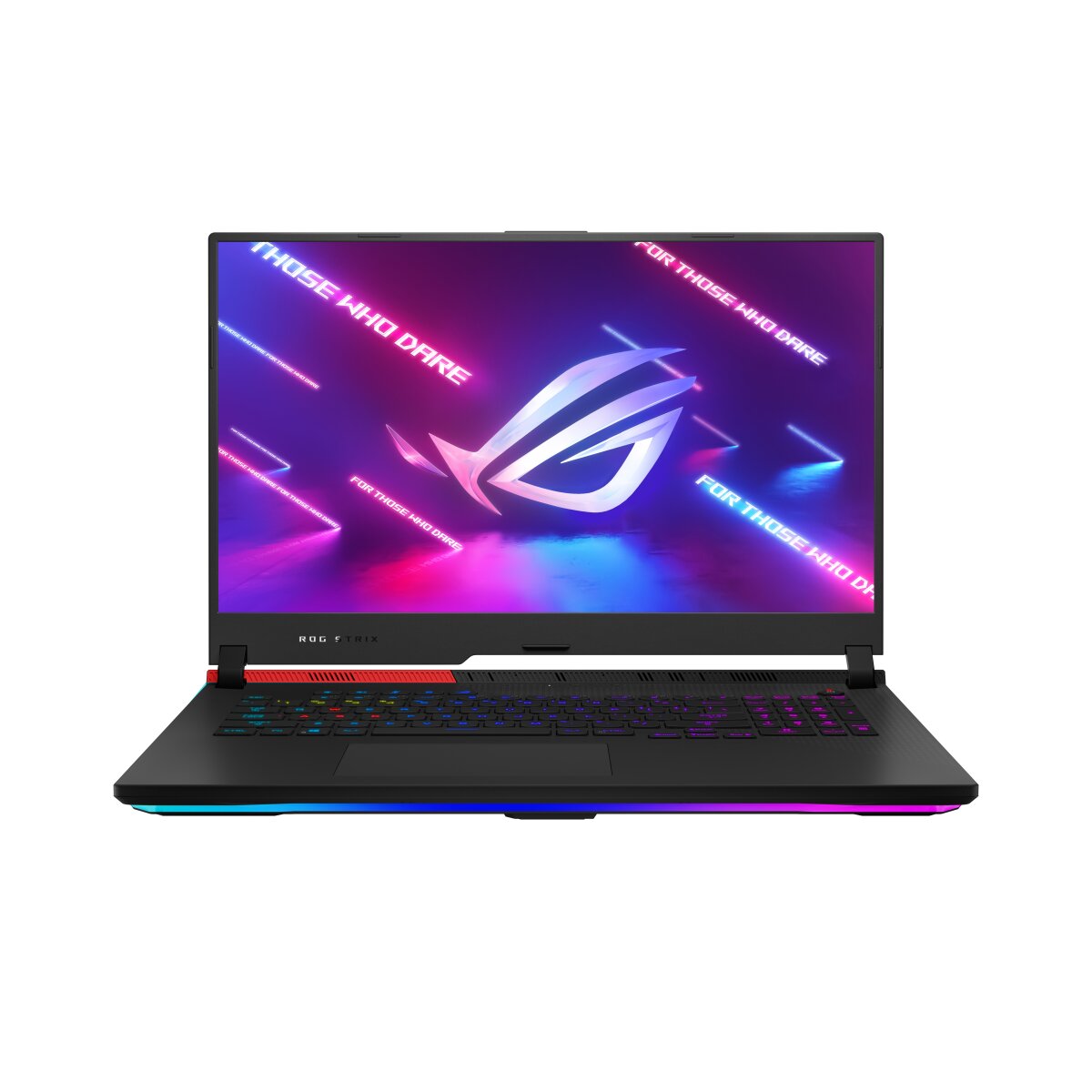
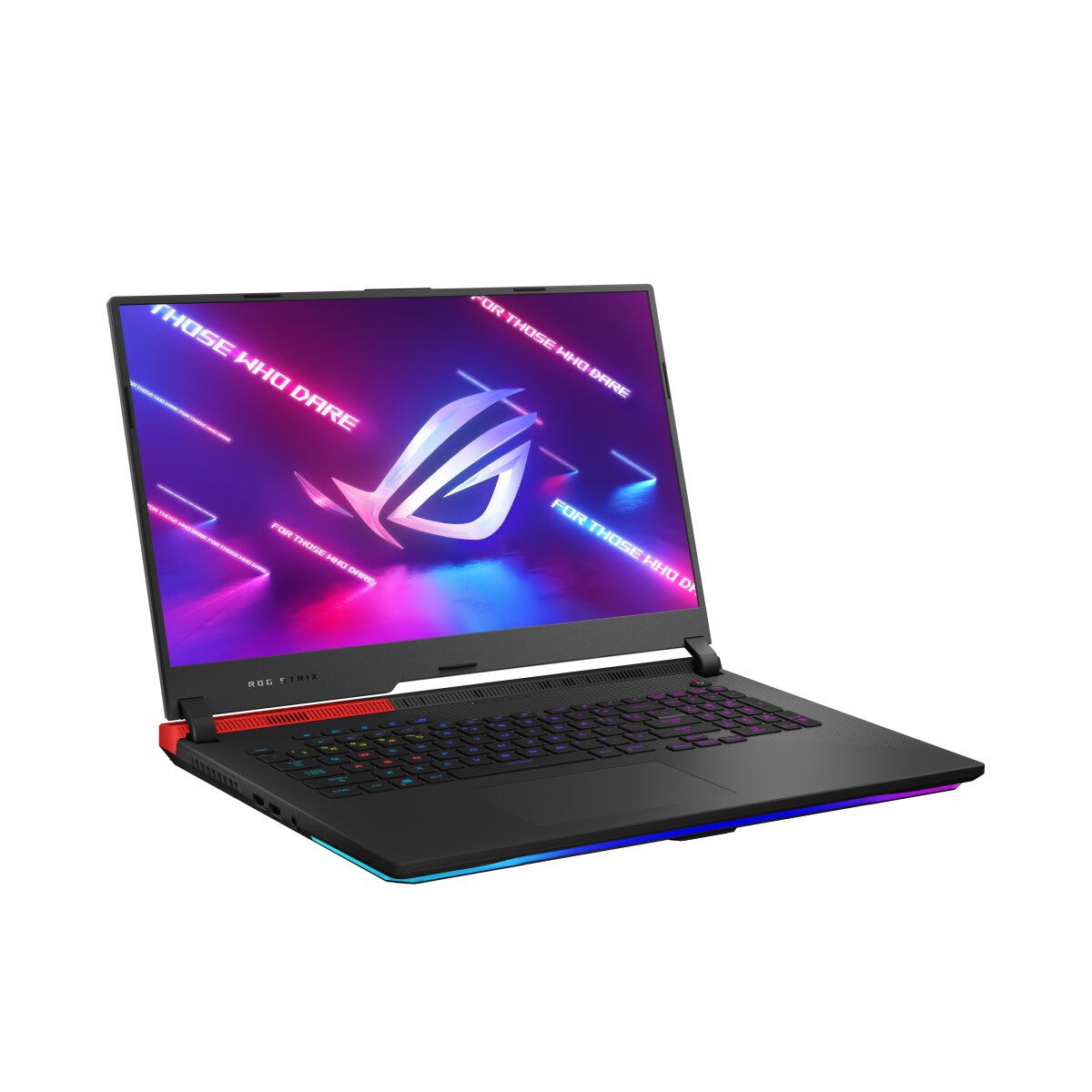
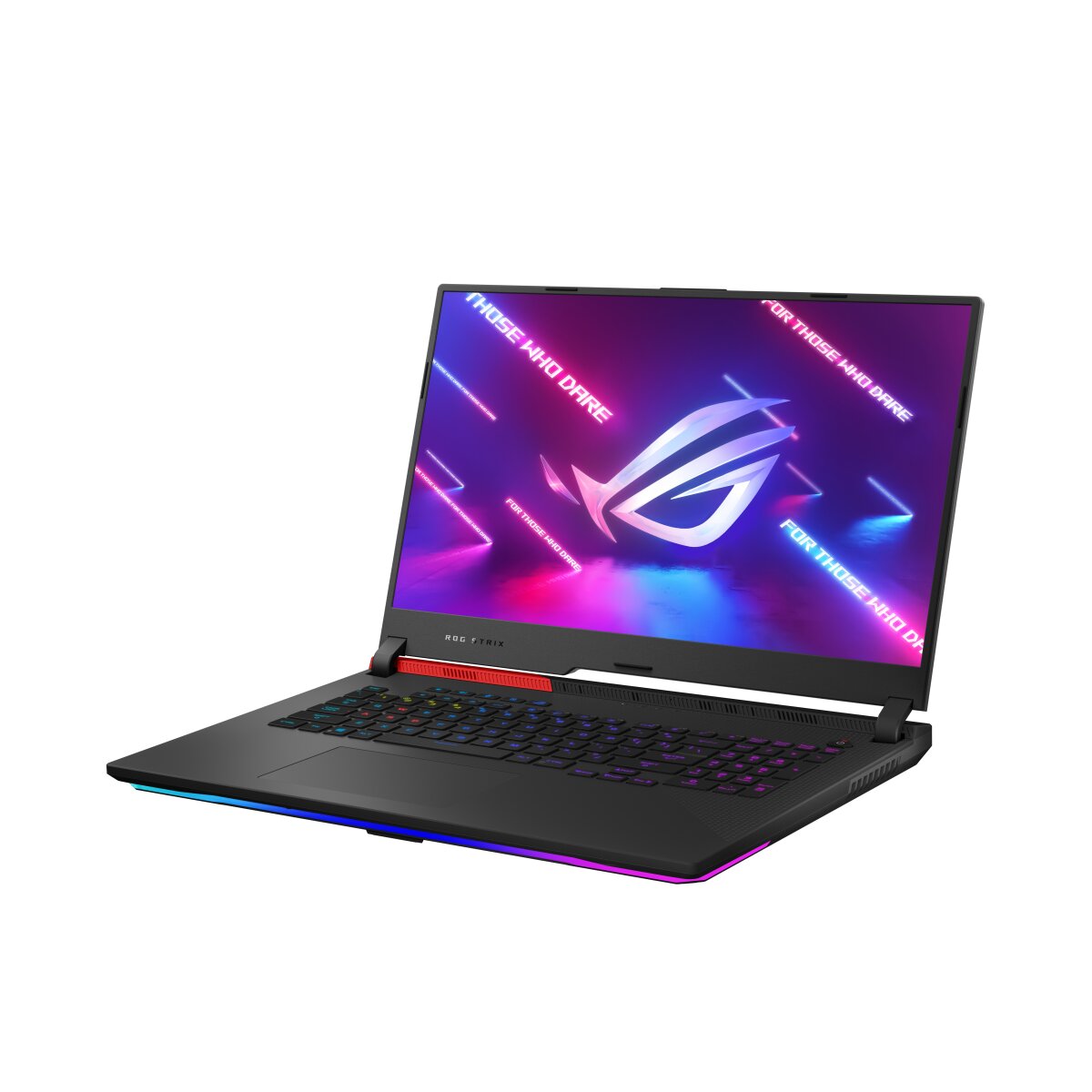
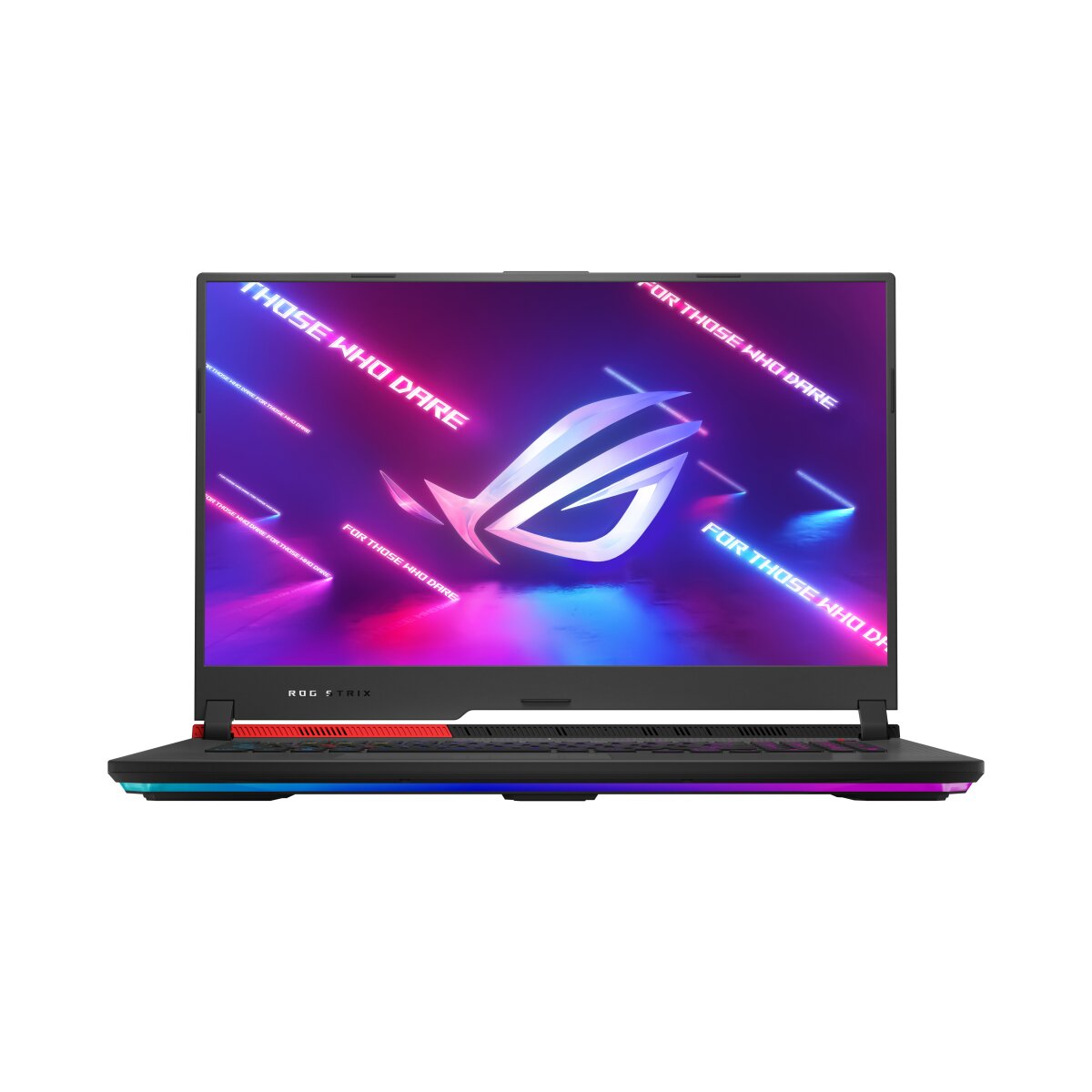

ASUS ROG Strix G17 G713IC-HX052T-BE laptop supports DDR4-SDRAM memory upgrades. The system features 2x SO-DIMM slots for RAM expansion, accommodating a maximum capacity of 32 GB total memory. Compatible upgrades operate at 3200 MHz frequency, utilizing standard SO-DIMM form factor specifications. Memory upgrade options are available to enhance system performance and multitasking capabilities for the G713IC-HX052T-BE model.
Memory Upgrade Specifications
| Specification | Value |
|---|---|
| Memory slots | 2x SO-DIMM |
| Form factor | SO-DIMM |
| Memory type | DDR4-SDRAM |
| Frequency | 3200 MHz |
| Maximum RAM | 32 GB |
| Voltage | 1.2V |
| Number of pins | 260-pin |
| Interface | PC4 |
| PC Speed Rating | PC4-3200 (PC4-25600) |
| Bandwidth | 25.6 GB/s |
| Laptop Release date | 21 October 2021 |
Additional Notes
- The ASUS ROG G713IC-HX052T-BE supports dual-channel memory architecture through its 2 SO-DIMM slots, enabling up to 64 GB/s theoretical peak bandwidth when both channels are populated with matching modules.
- The 32 GB maximum capacity constraint suggests a chipset or BIOS limitation that restricts recognition beyond 2x16 GB modules, making higher-density SO-DIMMs incompatible regardless of specifications.
- DDR4-3200 represents JEDEC standard timing, typically operating at CL22 latency unless XMP profiles are available and supported by the system firmware.
- Running mismatched module capacities will maintain dual-channel operation but only for the capacity shared across both slots, with excess capacity on the larger module operating in slower single-channel mode.
- Single-rank versus dual-rank module selection impacts memory interleaving performance, with dual-rank configurations often providing 5-10% better sustained bandwidth in memory-intensive workloads.
- The SO-DIMM form factor requires laptop-specific modules, which typically carry higher cost per gigabyte compared to desktop DIMM equivalents at identical specifications.
- Mixing modules with different voltage requirements risks defaulting to the higher voltage specification, potentially increasing power consumption and thermal output.
- Memory access beyond 3200 MHz through overclocking may void warranty coverage and requires verification of CPU memory controller capabilities and thermal headroom.
- Installation requires complete power disconnection and battery removal to prevent potential motherboard damage from residual charge during module insertion.
- Asymmetric configurations such as 8 GB plus 16 GB will sacrifice flex mode efficiency, operating the first 16 GB in dual-channel and remaining capacity in single-channel mode.
- Non-ECC unbuffered memory remains the only compatible type for this platform, as registered or error-correcting modules will not initialize during POST.
- Upgrading from soldered memory is not possible as all capacity must be provided through the accessible SO-DIMM slots without onboard supplementation.