ASUS ROG G713IE-HX002 RAM upgrade specifications
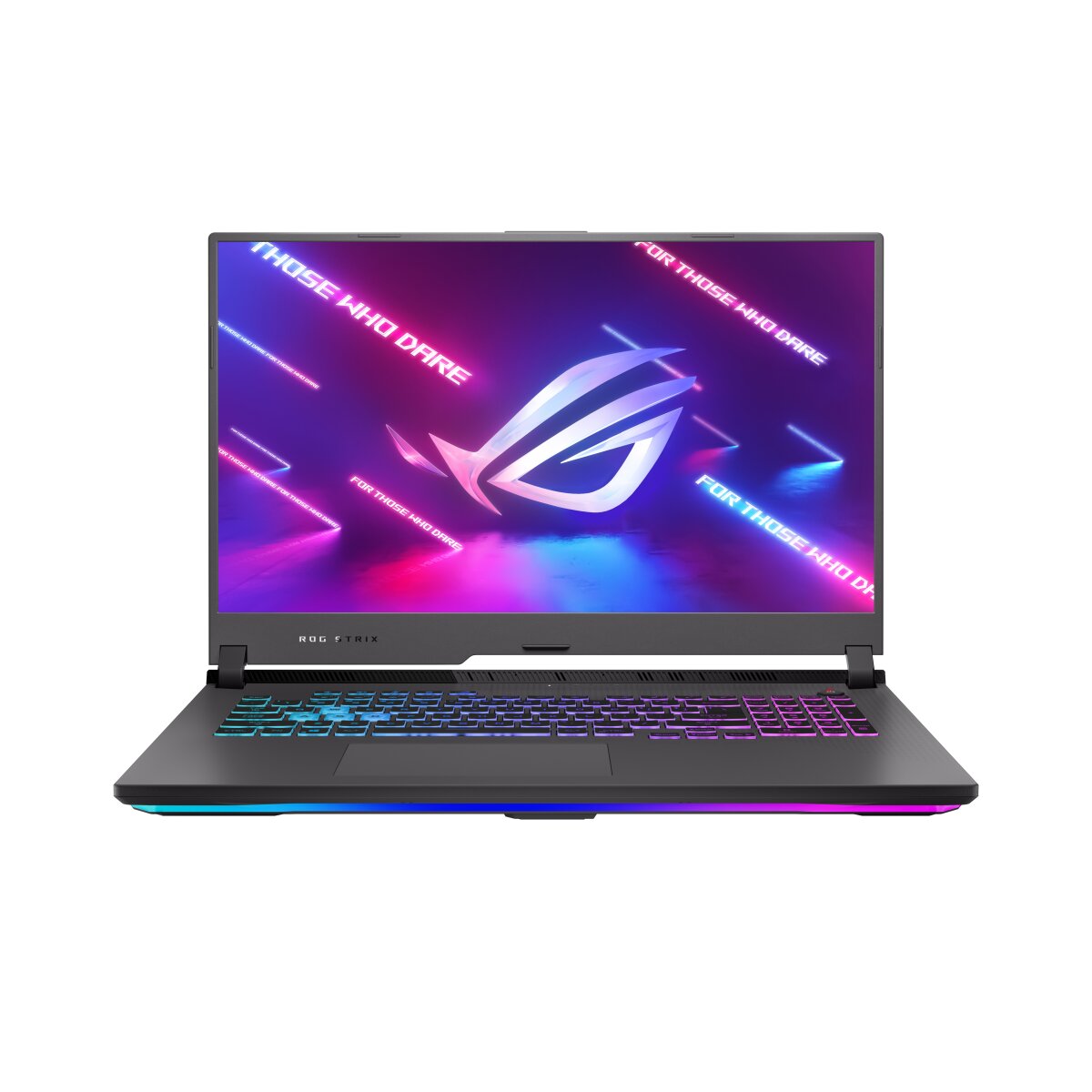



The ASUS ROG Strix G17 G713IE-HX002 features DDR4-SDRAM memory upgrade specifications with two SO-DIMM slots supporting maximum capacity of 32 GB total RAM. Compatible memory modules operate at 3200 MHz frequency. The laptop accepts SO-DIMM form factor upgrades, allowing users to expand the system memory for enhanced multitasking and performance capabilities.
Memory Upgrade Specifications
| Specification | Value |
|---|---|
| Memory slots | 2x SO-DIMM |
| Form factor | SO-DIMM |
| Memory type | DDR4-SDRAM |
| Frequency | 3200 MHz |
| Maximum RAM | 32 GB |
| Voltage | 1.2V |
| Number of pins | 260-pin |
| Interface | PC4 |
| PC Speed Rating | PC4-3200 (PC4-25600) |
| Bandwidth | 25.6 GB/s |
| Laptop Release date | 25 August 2021 |
Additional Notes
- The 32 GB memory ceiling suggests a chipset limitation rather than physical slot restriction, as each SO-DIMM slot accepts 16 GB modules without exceeding the controller's addressable range.
- DDR4-3200 operates at a dual-channel bandwidth of 51.2 GB/s, which prevents memory bottlenecks for gaming workloads but may limit performance in computational tasks requiring sustained high-throughput transfers.
- SO-DIMM installation in the ASUS ROG G713IE-HX002 typically requires complete bottom panel removal, voiding seals on certain regional warranty policies where only access door entry qualifies as user-serviceable maintenance.
- The 3200 MHz specification represents JEDEC standard speed rather than overclocked XMP profiles, ensuring compatibility across all modules rated at DDR4-3200 or higher without BIOS adjustments.
- Mixing memory modules with different CAS latencies will force both modules to operate at the slower timing, introducing performance degradation of 3-5% in latency-sensitive applications despite matching frequency specifications.
- The dual SO-DIMM configuration without soldered memory allows complete replacement of factory modules, enabling cost-effective upgrades by reselling original components rather than supplementing them.
- DDR4 SO-DIMM voltage tolerances at 1.2V standard maintain thermal headroom within gaming laptop cooling systems, unlike higher-voltage modules that may trigger thermal throttling during sustained memory-intensive operations.
- Single-rank versus dual-rank module architecture at 16 GB capacity affects interleaving efficiency, with dual-rank configurations delivering 5-10% higher bandwidth in memory-bound scenarios despite identical frequency ratings.