ASUS ROG G713IE-HX011W RAM upgrade specifications
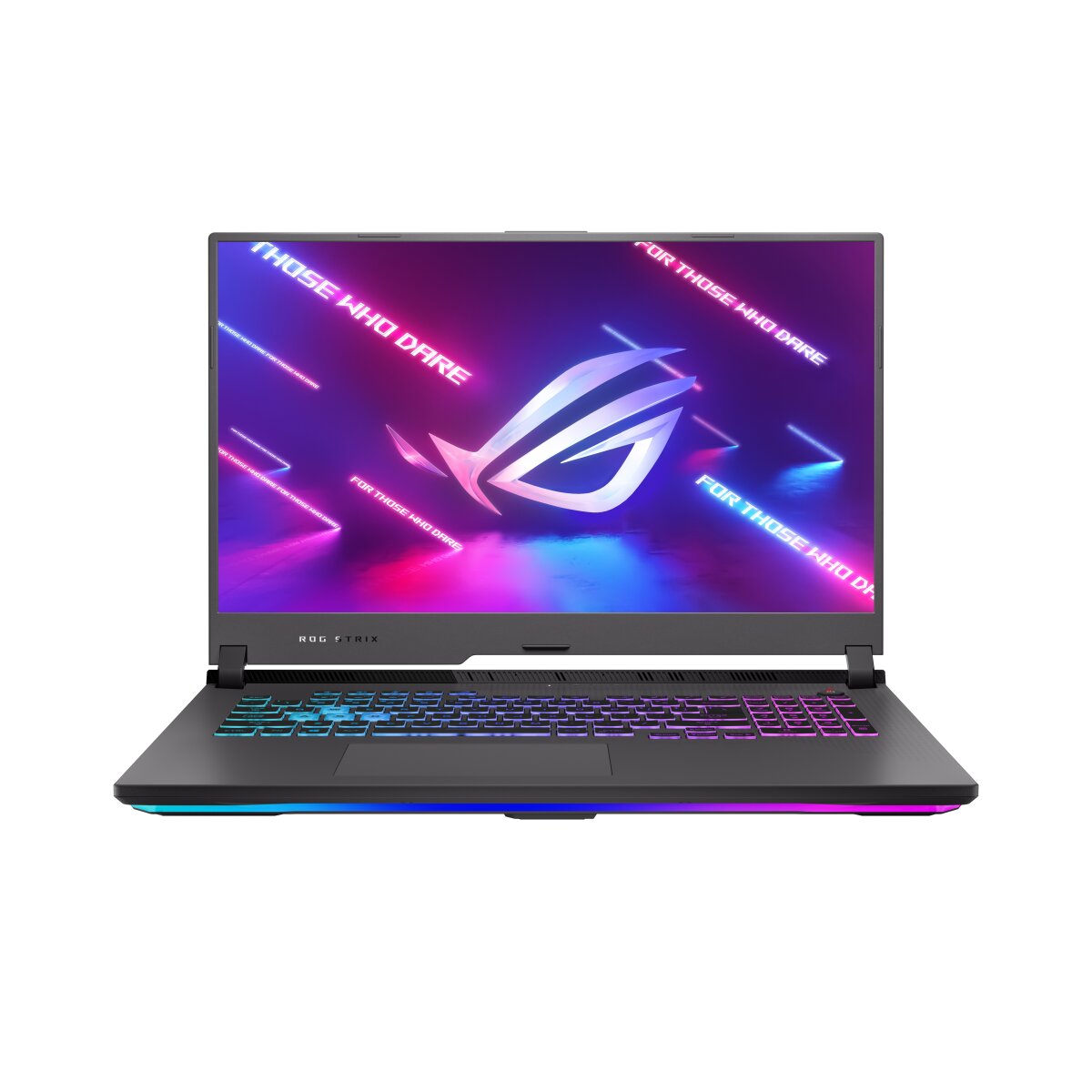


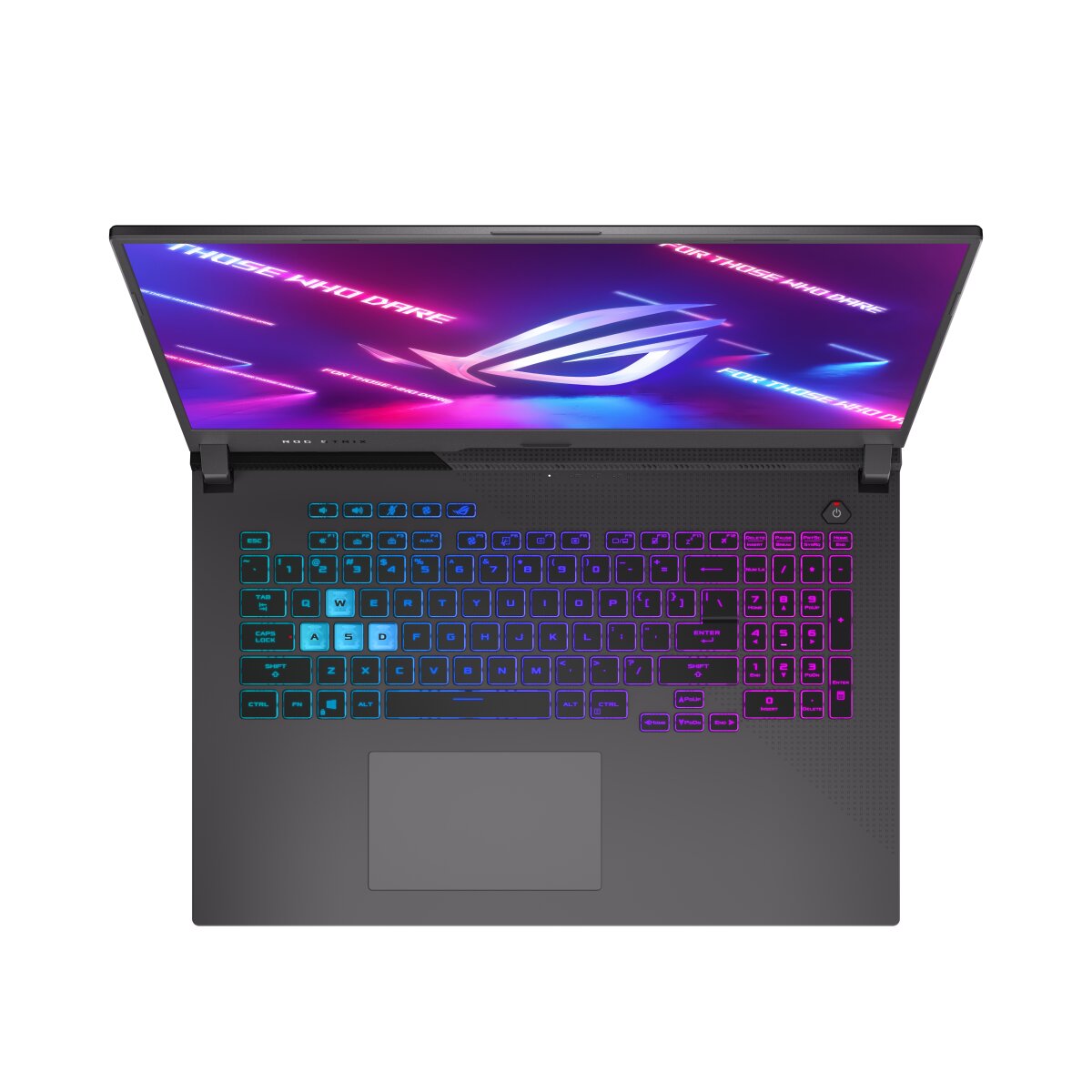

ASUS ROG Strix G17 series G713IE-HX011W laptop memory upgrade specifications include DDR4-SDRAM compatible modules. The system features 2x SO-DIMM slots supporting maximum RAM capacity of 32 GB total. Memory operates at 3200 MHz frequency. Each SO-DIMM slot accommodates up to 16 GB modules for full capacity expansion. Upgrade specifications indicate compatible DDR4 memory modules meeting these technical parameters for enhanced system performance.
Memory Upgrade Specifications
| Specification | Value |
|---|---|
| Memory slots | 2x SO-DIMM |
| Form factor | SO-DIMM |
| Memory type | DDR4-SDRAM |
| Frequency | 3200 MHz |
| Maximum RAM | 32 GB |
| Voltage | 1.2V |
| Number of pins | 260-pin |
| Interface | PC4 |
| PC Speed Rating | PC4-3200 (PC4-25600) |
| Bandwidth | 25.6 GB/s |
| Laptop Release date | 21 October 2021 |
Additional Notes
- The ASUS ROG G713IE-HX011W supports SO-DIMM modules exclusively, preventing compatibility with standard DIMM memory used in desktop systems.
- DDR4-SDRAM specification eliminates compatibility with DDR3 or DDR5 modules due to voltage and physical notch differences.
- The 32 GB maximum capacity constraint limits dual-slot configurations to 16 GB modules per slot, making 32 GB kits the highest viable upgrade.
- 3200 MHz frequency support indicates the memory controller may downclock higher-speed modules to this ceiling, negating performance benefits of faster RAM.
- Dual SO-DIMM architecture enables dual-channel operation when matched pairs are installed, doubling theoretical memory bandwidth compared to single-module configurations.
- SO-DIMM form factor requires 67.6 mm module length versus 133.35 mm for desktop DIMM, restricting physical interchangeability.
- Populated slots may require manufacturer-approved modules to maintain warranty coverage, as third-party RAM can void service agreements depending on regional policies.
- Operating speed of 3200 MHz corresponds to PC4-25600 transfer rate, requiring modules rated at or above this specification for stable operation.
- Single-channel configuration with one occupied slot halves effective bandwidth, creating potential bottlenecks in GPU-intensive tasks relying on shared system memory.
- Mixed module capacities across slots force the memory controller to operate in flex mode or asymmetric configuration, potentially reducing performance compared to matched pairs.