ASUS ROG G713IE-HX002W RAM upgrade specifications
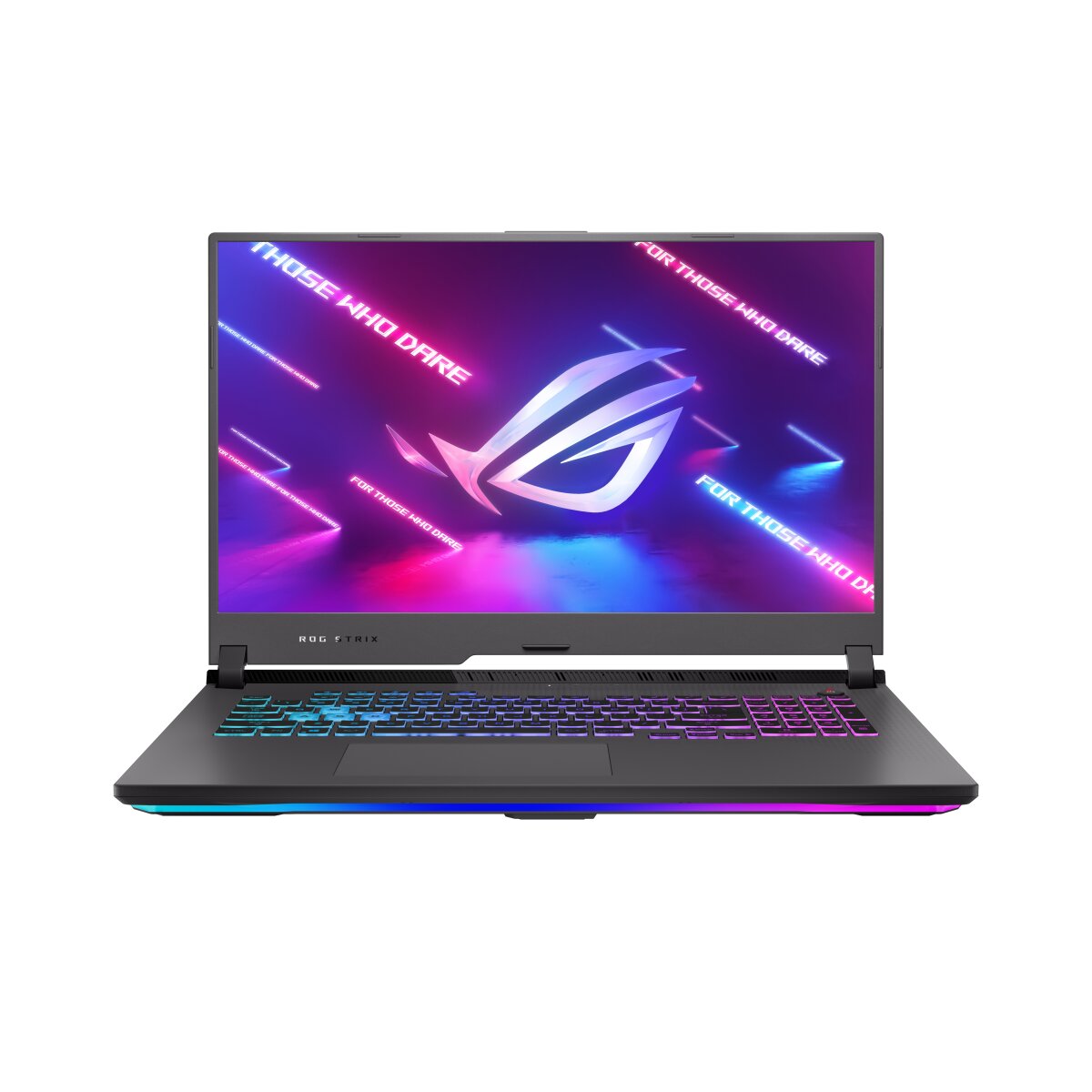




ASUS ROG Strix G17 G713IE-HX002W laptop features DDR4-SDRAM memory upgrade specifications with 2x SO-DIMM slots supporting maximum capacity of 32 GB RAM. Compatible memory operates at 3200 MHz frequency. Upgrade slots accommodate SO-DIMM form factor modules, enabling users to expand memory beyond factory configuration to enhance system performance and multitasking capabilities.
Memory Upgrade Specifications
| Specification | Value |
|---|---|
| Memory slots | 2x SO-DIMM |
| Form factor | SO-DIMM |
| Memory type | DDR4-SDRAM |
| Frequency | 3200 MHz |
| Maximum RAM | 32 GB |
| Voltage | 1.2V |
| Number of pins | 260-pin |
| Interface | PC4 |
| PC Speed Rating | PC4-3200 (PC4-25600) |
| Bandwidth | 25.6 GB/s |
| Laptop Release date | 13 October 2021 |
Additional Notes
- The ASUS ROG G713IE-HX002W contains 2 SO-DIMM slots operating on a closed memory architecture, meaning both slots must be populated simultaneously to achieve dual-channel performance; single-module configurations will operate in single-channel mode with reduced bandwidth.
- DDR4-3200 modules rated for this system operate at 3200 MHz only when both SO-DIMMs are installed; populating a single slot will default the memory controller to the lower frequency of the installed module, potentially degrading performance compared to the dual-channel baseline.
- The 32 GB ceiling represents the maximum addressable memory capacity; this limit is determined by the memory controller architecture rather than slot count, meaning 16 GB SO-DIMM modules (2x 16 GB configuration) represent the only upgrade path to maximum capacity.
- SO-DIMM form factor requires removal of the laptop base panel for access; physical installation space constraints typical to gaming laptops may require removal of battery or thermal modules, extending upgrade duration beyond desktop DIMM procedures.
- Mixing DDR4 modules of different speeds forces the memory controller to operate at the slowest module's frequency; installing a 3200 MHz module alongside a slower module will reduce both sticks to the slower speed, negating performance gains from higher-frequency hardware.
- Warranty coverage for memory upgrades using non-ASUS branded modules varies by region; replacement modules sourced from third-party manufacturers may trigger warranty exclusions for memory-related failures despite installation not voiding the broader system warranty.