ASUS ROG G713IE-HX114T RAM upgrade specifications
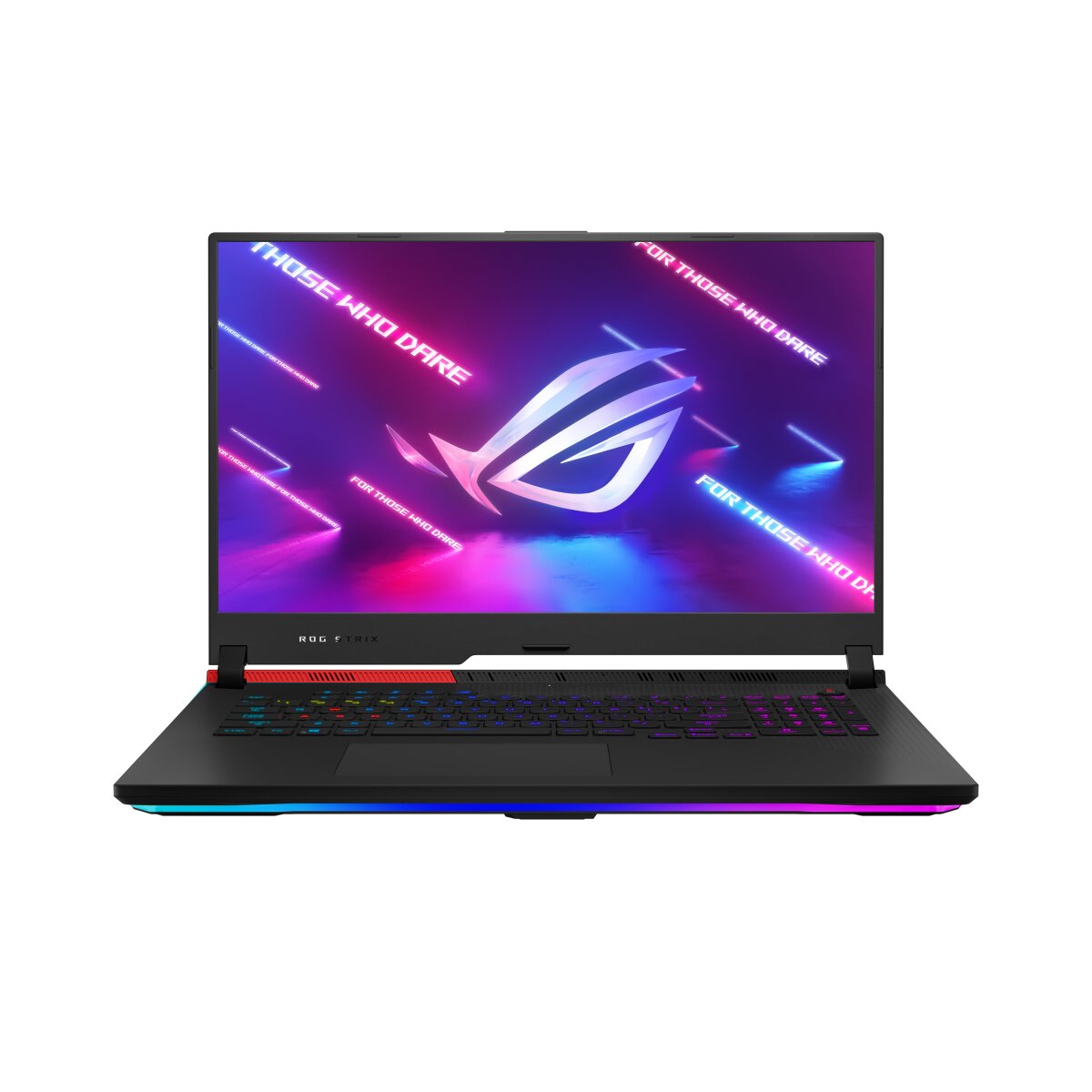




ASUS ROG Strix G17 model G713IE-HX114T contains two SO-DIMM memory slots supporting DDR4-SDRAM modules. Maximum RAM capacity reaches 32 GB total. Compatible memory specifications include DDR4-SDRAM operating at 3200 MHz frequency. Upgrade options allow installation of additional or replacement SO-DIMM modules to expand system memory within maximum supported capacity limits. Current memory configuration and available slots determine upgrade potential for enhanced multitasking and application performance.
Memory Upgrade Specifications
| Specification | Value |
|---|---|
| Memory slots | 2x SO-DIMM |
| Form factor | SO-DIMM |
| Memory type | DDR4-SDRAM |
| Frequency | 3200 MHz |
| Maximum RAM | 32 GB |
| Voltage | 1.2V |
| Number of pins | 260-pin |
| Interface | PC4 |
| PC Speed Rating | PC4-3200 (PC4-25600) |
| Bandwidth | 25.6 GB/s |
| Laptop Release date | 01 December 2021 |
Additional Notes
- The ASUS ROG G713IE-HX114T contains 2 SO-DIMM slots operating at 3200 MHz, establishing a theoretical maximum capacity of 32 GB total when both slots are populated with 16 GB modules each.
- DDR4-3200 memory operates within standard laptop frequency ranges; however, actual performance gains from frequency increases diminish significantly on this generation, as CPU memory controller bandwidth saturation typically occurs below 3600 MHz on 11th-generation Intel platforms.
- SO-DIMM modules occupy minimal physical space but require full system shutdown and base removal for installation, distinguishing this upgrade path from user-accessible internal components and triggering potential warranty documentation requirements if performed outside authorized service channels.
- Upgrading from single-channel to dual-channel memory configuration by populating both SO-DIMM slots yields approximately 15-25 percent performance improvement in memory-intensive workloads, assuming matched module specifications and capacities.
- The 32 GB ceiling creates a hard upgrade limit; applications requiring memory beyond this threshold cannot be accommodated without system replacement, making this constraint relevant for video editing, 3D rendering, or virtual machine deployments.
- Memory modules rated for 3200 MHz may execute at lower effective frequencies if paired with non-matching specifications; mismatched capacity, timing, or voltage specifications trigger automatic frequency downclocking to the least capable module's supported speed.