ASUS ROG G713PI-HX130W RAM upgrade specifications
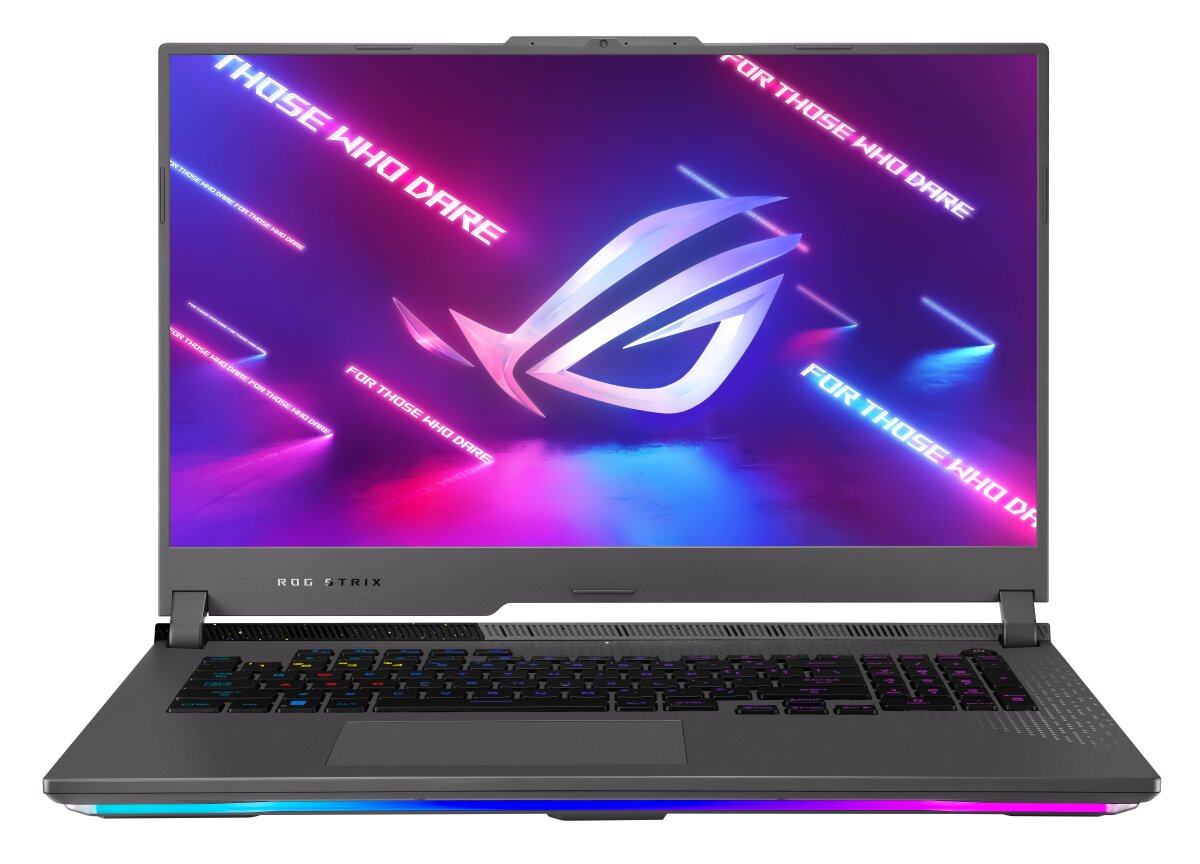
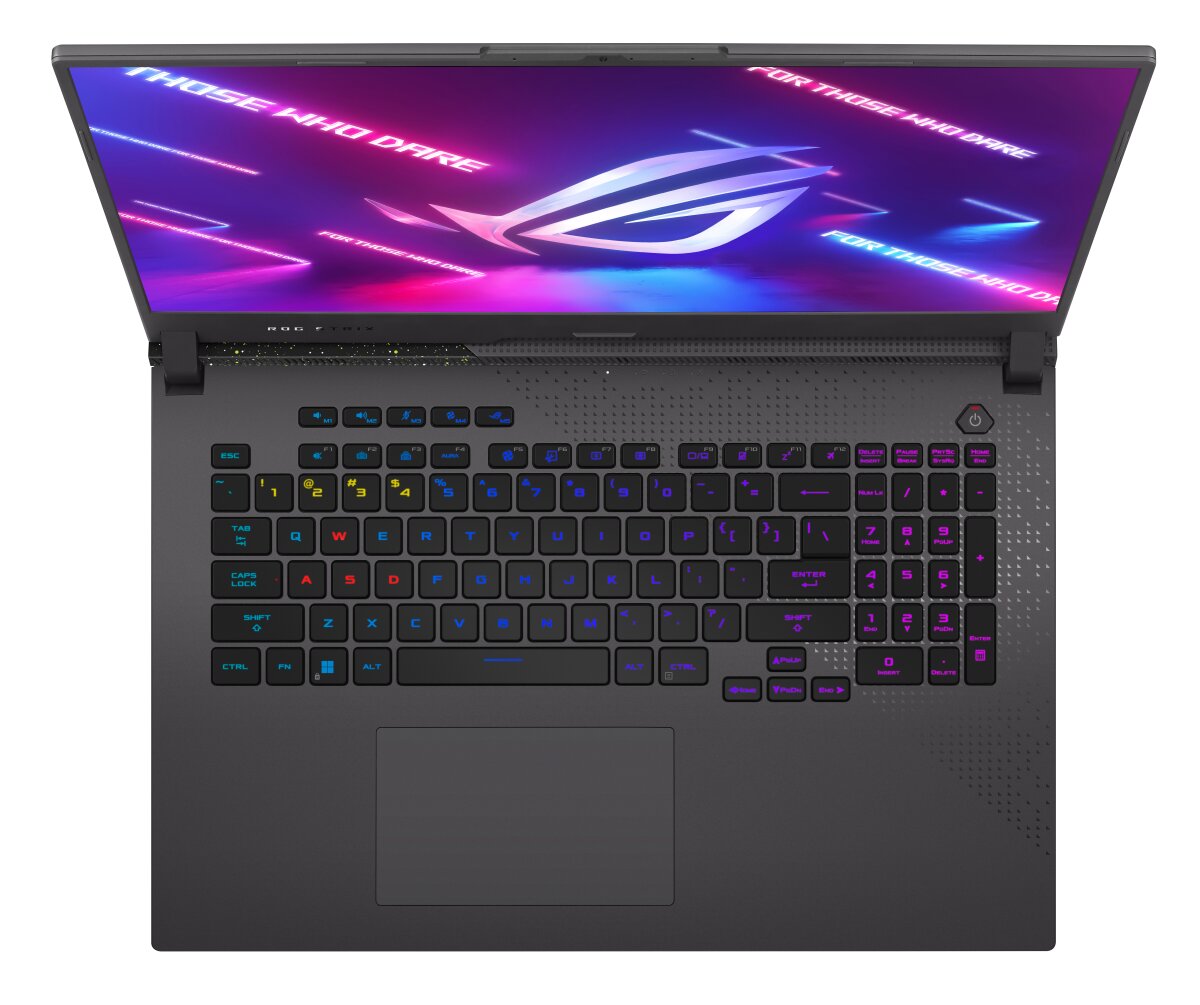



ASUS ROG Strix G17 series model G713PI-HX130W supports DDR5-SDRAM memory upgrades through 2x SO-DIMM slots. The laptop accommodates a maximum RAM capacity of 32 GB total. Memory specifications include DDR5 modules operating at 4800 MHz frequency. Compatible upgrades utilize SO-DIMM form factor modules. Existing memory configurations can be expanded by installing additional DDR5-SDRAM modules in available slots up to the specified maximum capacity limit.
Memory Upgrade Specifications
| Specification | Value |
|---|---|
| Memory slots | 2x SO-DIMM |
| Form factor | SO-DIMM |
| Memory type | DDR5-SDRAM |
| Frequency | 4800 MHz |
| Maximum RAM | 32 GB |
| Voltage | 1.1V |
| Number of pins | 262-pin |
| Interface | PC5 |
| PC Speed Rating | PC5-4800 (PC5-38400) |
| Bandwidth | 38.4 GB/s |
Additional Notes
- The ASUS ROG G713PI-HX130W utilizes DDR5 modules, which are physically incompatible with DDR4 slots due to different notch positions and pin configurations, preventing accidental installation of incorrect memory types.
- DDR5 operates at 1.1V compared to DDR4's 1.2V, reducing power consumption but requiring a compatible memory controller that only accepts DDR5 modules.
- The 32 GB maximum capacity translates to 16 GB per slot when fully populated, as the dual-channel configuration requires matched module sizes for optimal performance.
- Installing modules slower than 4800 MHz will function but downclock to the lower speed, while faster modules will be limited to 4800 MHz by the system's memory controller specifications.
- SO-DIMM form factor measures 67.6 mm in length versus desktop DIMM's 133.35 mm, making desktop memory modules physically incompatible regardless of specification matching.
- Mixing different capacity modules between slots will maintain functionality but may disable dual-channel mode, potentially halving memory bandwidth from the theoretical maximum.
- DDR5's on-die ECC (error correction) operates independently of system-level ECC support, providing basic error detection without requiring specialized unbuffered ECC modules.
- Accessing the memory slots typically requires bottom panel removal, and some manufacturers void warranties when non-certified technicians perform upgrades, necessitating verification of service terms before installation.
- The 4800 MHz frequency represents MT/s (megatransfers per second) rather than true clock speed, as DDR5's actual clock operates at 2400 MHz with double data rate on both rising and falling edges.
- Thermal considerations become relevant above ambient temperatures, as DDR5 generates more heat than DDR4 at equivalent speeds, though laptop chassis cooling systems account for stock configuration thermal output.
- Single-rank versus dual-rank module selection impacts performance, with dual-rank configurations offering marginally better throughput at the cost of slightly increased latency and power draw.
- JEDEC standard DDR5-4800 operates at CL40 latency, while aftermarket modules may advertise lower latencies that require XMP/EXPO profile support, which laptop BIOS implementations may not expose.