ASUS ROG G713PI-HX129W RAM upgrade specifications
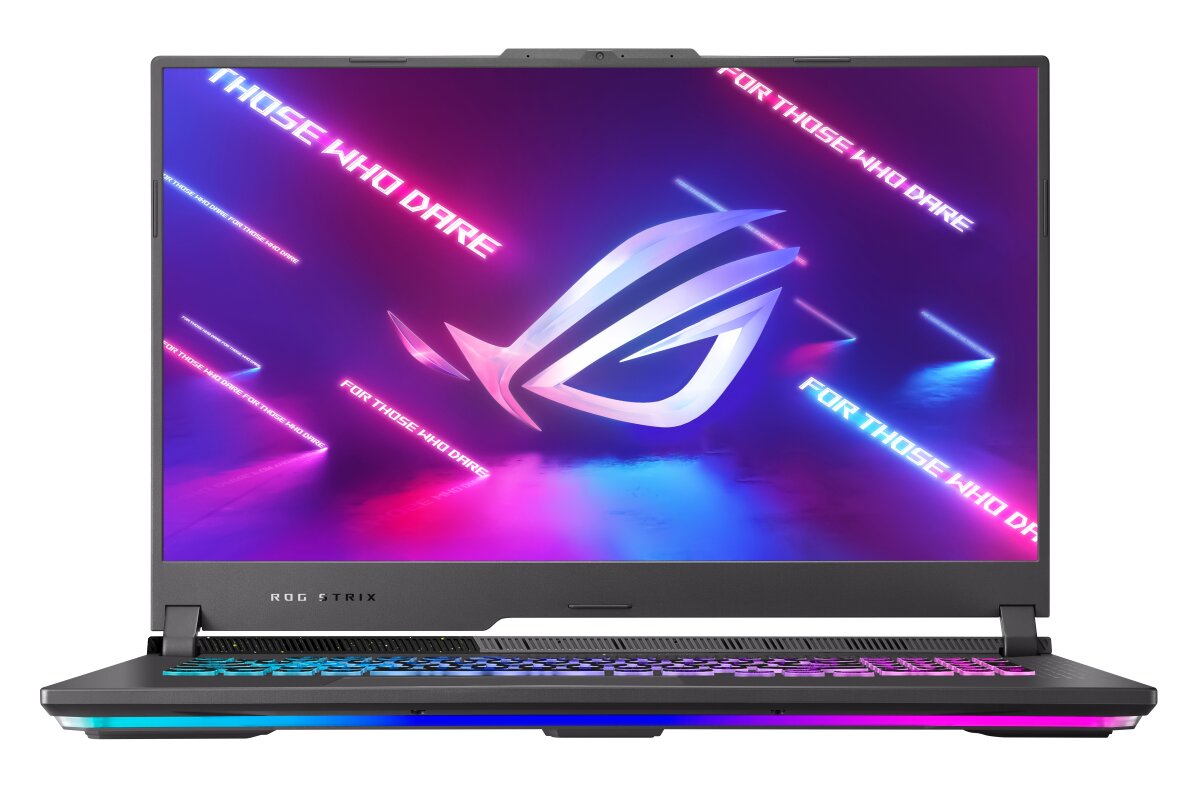
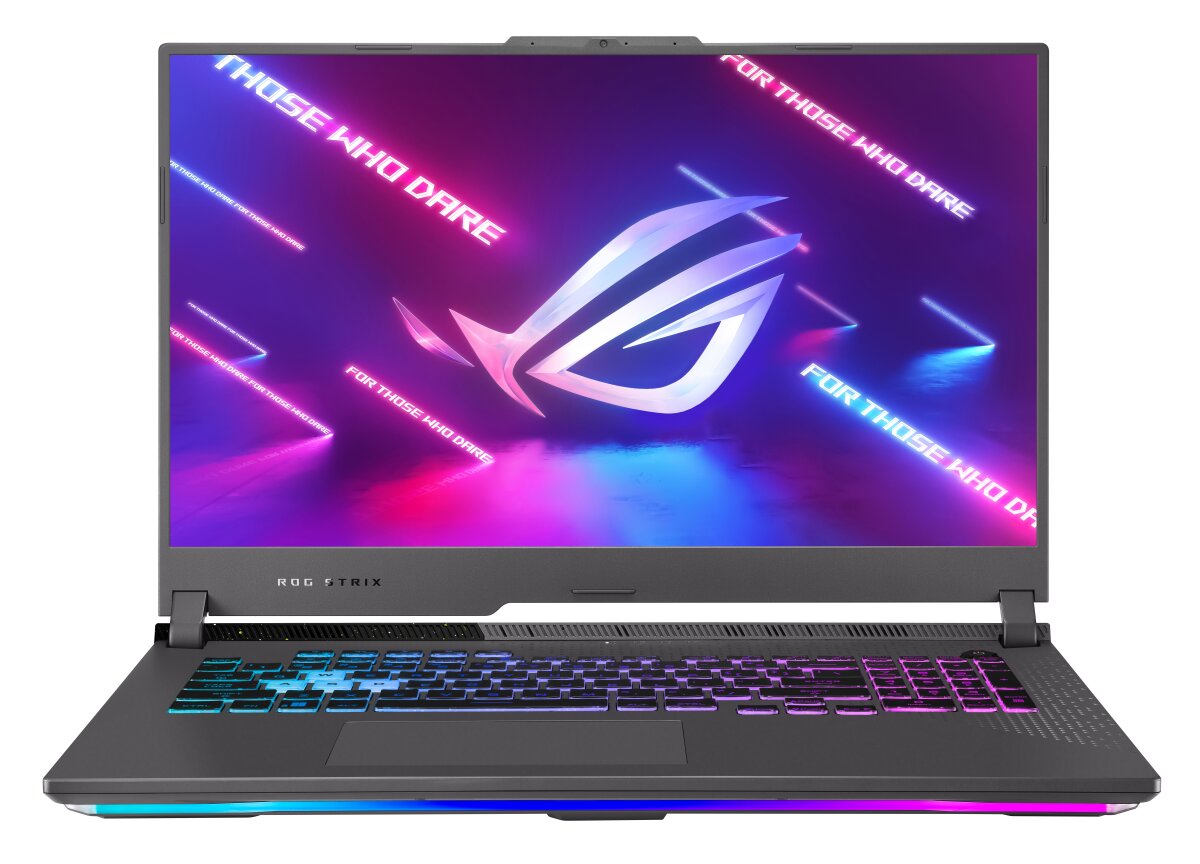
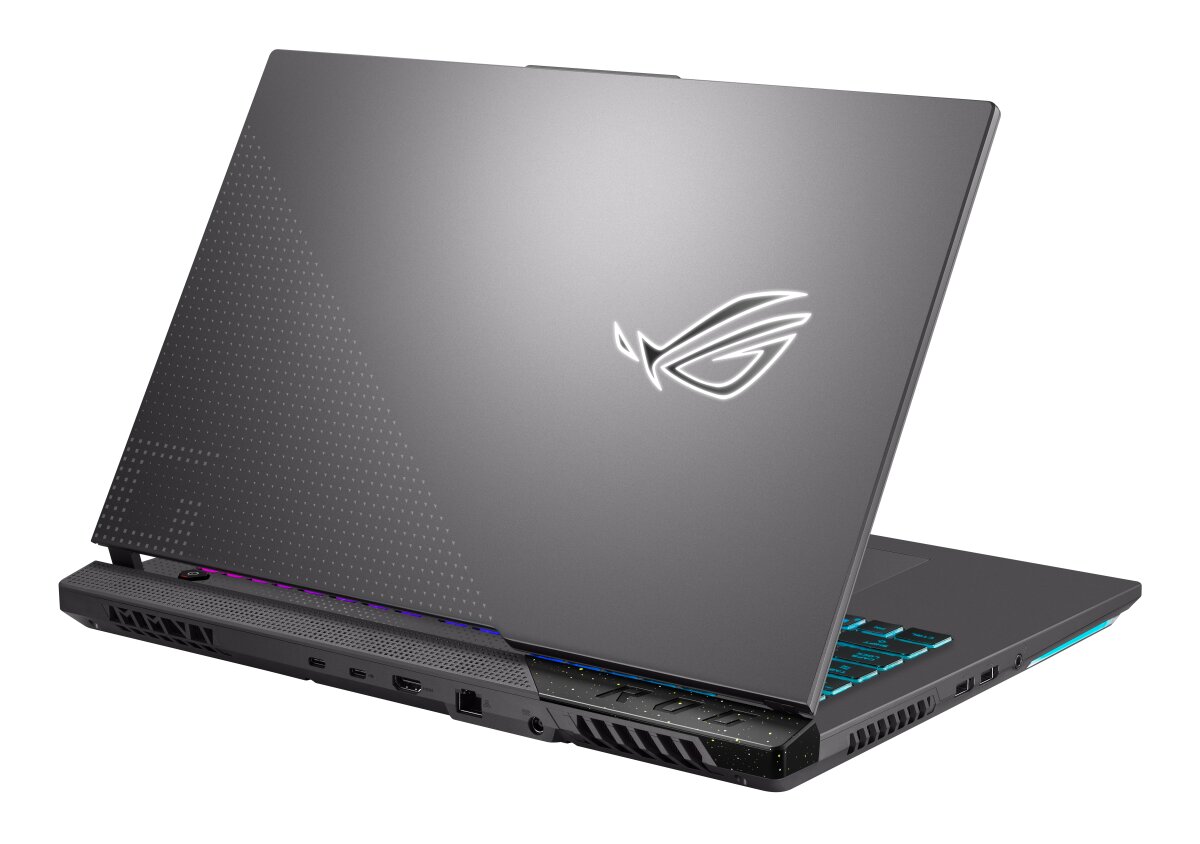
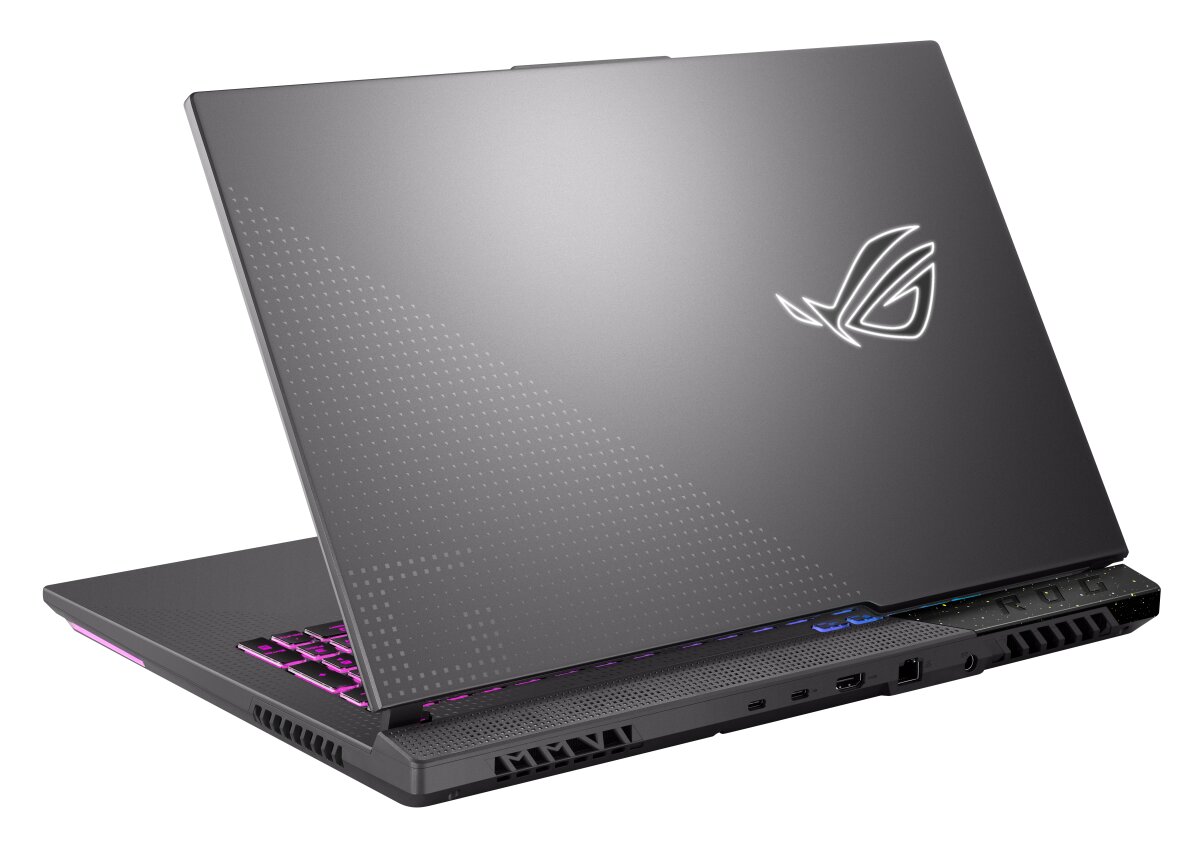

ASUS ROG Strix G17 model G713PI-HX129W features DDR5-SDRAM memory upgrade specifications. The laptop contains 2x SO-DIMM slots supporting maximum RAM capacity of 32 GB. Compatible memory modules operate at 4800 MHz frequency with SO-DIMM form factor. Upgrade specifications enable users to expand memory capacity for enhanced multitasking and performance capabilities on gaming and professional workloads.
Memory Upgrade Specifications
| Specification | Value |
|---|---|
| Memory slots | 2x SO-DIMM |
| Form factor | SO-DIMM |
| Memory type | DDR5-SDRAM |
| Frequency | 4800 MHz |
| Maximum RAM | 32 GB |
| Voltage | 1.1V |
| Number of pins | 262-pin |
| Interface | PC5 |
| PC Speed Rating | PC5-4800 (PC5-38400) |
| Bandwidth | 38.4 GB/s |
Additional Notes
- The ASUS ROG G713PI-HX129W employs DDR5 SO-DIMM modules, which are not backward compatible with DDR4, requiring complete module replacement rather than mixing generations.
- The 32 GB maximum capacity constraint limits professional workloads such as large dataset processing, complex 3D rendering, or running multiple virtual machines simultaneously.
- DDR5-4800 represents the JEDEC baseline speed for DDR5, leaving headroom for potential performance gains through higher-frequency modules if the system firmware supports XMP or EXPO profiles.
- Dual-channel configuration requires matched module pairs to maintain optimal memory bandwidth, as mismatched capacities or speeds will force operation at the lowest common denominator.
- SO-DIMM form factor installation typically requires bottom panel removal, which may involve breaking tamper-evident seals that could affect warranty coverage depending on regional regulations.
- DDR5 modules operate at 1.1V compared to DDR4's 1.2V, reducing power consumption but requiring voltage-compatible memory controllers that cannot support previous generation modules.
- The 4800 MHz frequency delivers 38.4 GB/s theoretical bandwidth per channel, totaling 76.8 GB/s in dual-channel mode, which benefits GPU-intensive tasks that share system memory.
- Upgrading to the 32 GB ceiling necessitates 2x16 GB modules, as exceeding this with larger individual modules will either fail POST or be capped by firmware limitations.
- DDR5's on-die ECC operates independently of traditional ECC memory, providing error correction for internal operations without requiring specialized unbuffered ECC SO-DIMMs.
- Thermal considerations become relevant at maximum capacity and frequency, as DDR5 modules generate more heat than DDR4, potentially affecting sustained performance in thermally constrained laptop chassis.