ASUS ROG G713PI-HX004 RAM upgrade specifications




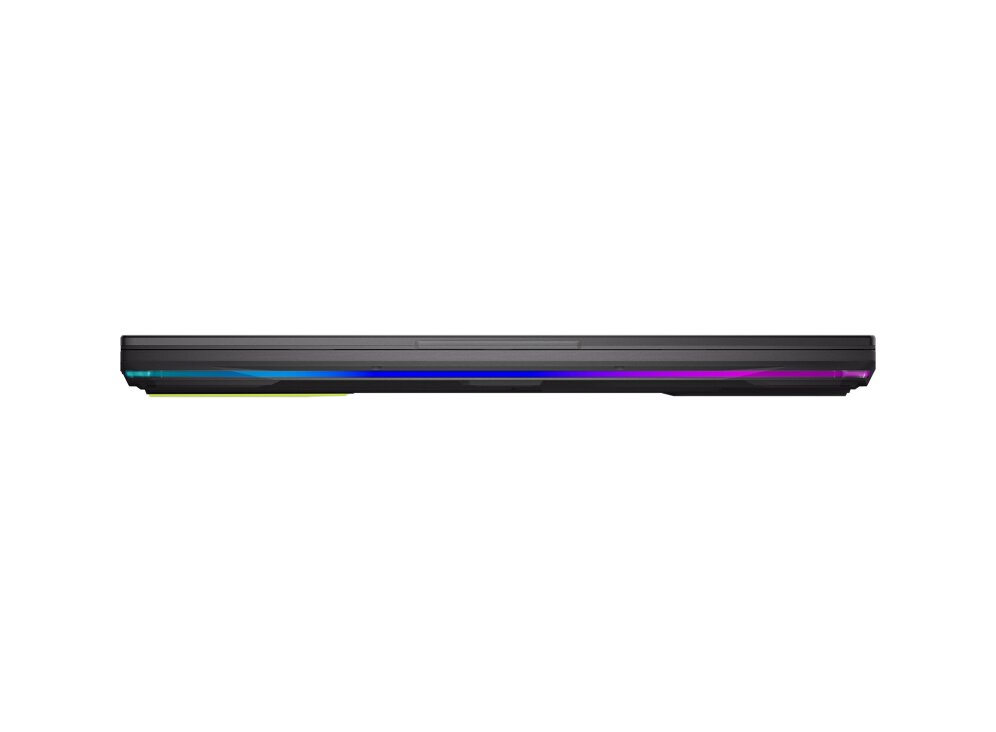
The ASUS ROG Strix G17 G713PI-HX004 gaming laptop features DDR5-SDRAM memory with 2x SO-DIMM slots for RAM upgrade capability. Maximum supported memory capacity reaches 32 GB total. Compatible memory modules operate at 4800 MHz frequency. The SO-DIMM form factor specifications define compatible upgrade options for existing memory expansion on this ROG Strix series laptop model.
Memory Upgrade Specifications
| Specification | Value |
|---|---|
| Memory slots | 2x SO-DIMM |
| Form factor | SO-DIMM |
| Memory type | DDR5-SDRAM |
| Frequency | 4800 MHz |
| Maximum RAM | 32 GB |
| Voltage | 1.1V |
| Number of pins | 262-pin |
| Interface | PC5 |
| PC Speed Rating | PC5-4800 (PC5-38400) |
| Bandwidth | 38.4 GB/s |
| Laptop Release date | 27 January 2023 |
Additional Notes
- The ASUS ROG G713PI-HX004 requires SO-DIMM modules rather than standard DIMM, limiting compatibility to laptop-specific memory modules that are typically more expensive per gigabyte than desktop equivalents.
- DDR5-SDRAM operates at higher voltage efficiency compared to DDR4 but prevents backward compatibility with older DDR4 modules, requiring complete replacement if upgrading from a different system.
- The 32 GB maximum capacity constraint means dual-channel configuration peaks at 2x16 GB modules, making higher-density 24 GB or 32 GB per-slot modules incompatible with this memory controller.
- Operating at 4800 MHz represents DDR5's entry-level JEDEC specification, meaning the system will downclock any higher-frequency modules (5200 MHz, 5600 MHz, or beyond) to match this base speed.
- Two-slot configuration forces a choice between capacity and upgrade flexibility since populating both slots immediately eliminates future expansion without discarding existing modules.
- SO-DIMM installation requires accessing the bottom panel or keyboard deck depending on chassis design, with potential warranty implications if manufacturer seals must be broken during the process.
- Dual-channel architecture requires matched module pairs for optimal bandwidth utilization, meaning mixing different capacities or speeds across slots will force both modules to operate at the lowest common specifications.
- DDR5's on-die ECC functions independently of the system's error correction capabilities, providing basic data integrity without requiring specific ECC SO-DIMM modules that may not be supported.
- The 4800 MHz specification reflects controller limitations rather than module availability, as higher-binned DDR5 SO-DIMMs will function but deliver no performance advantage beyond the locked frequency ceiling.