ASUS ROG G713PI-DS94 RAM upgrade specifications


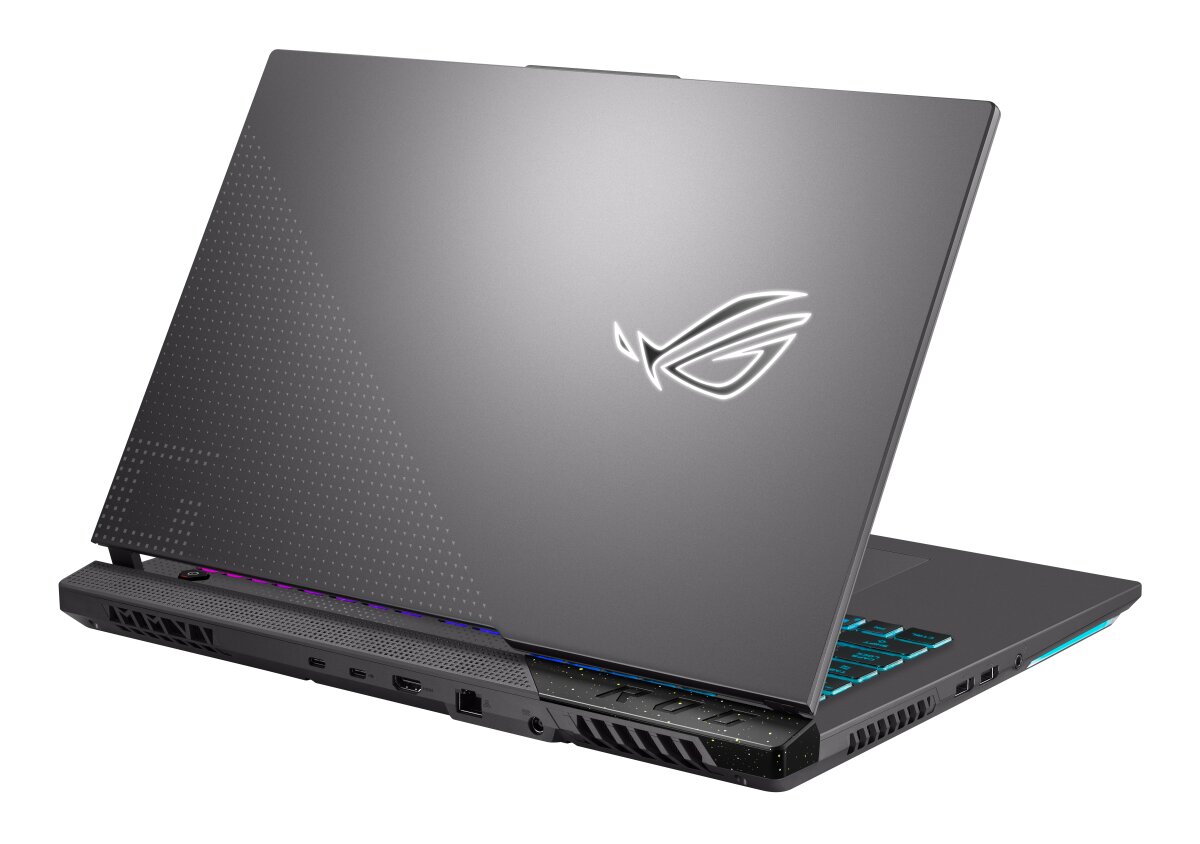
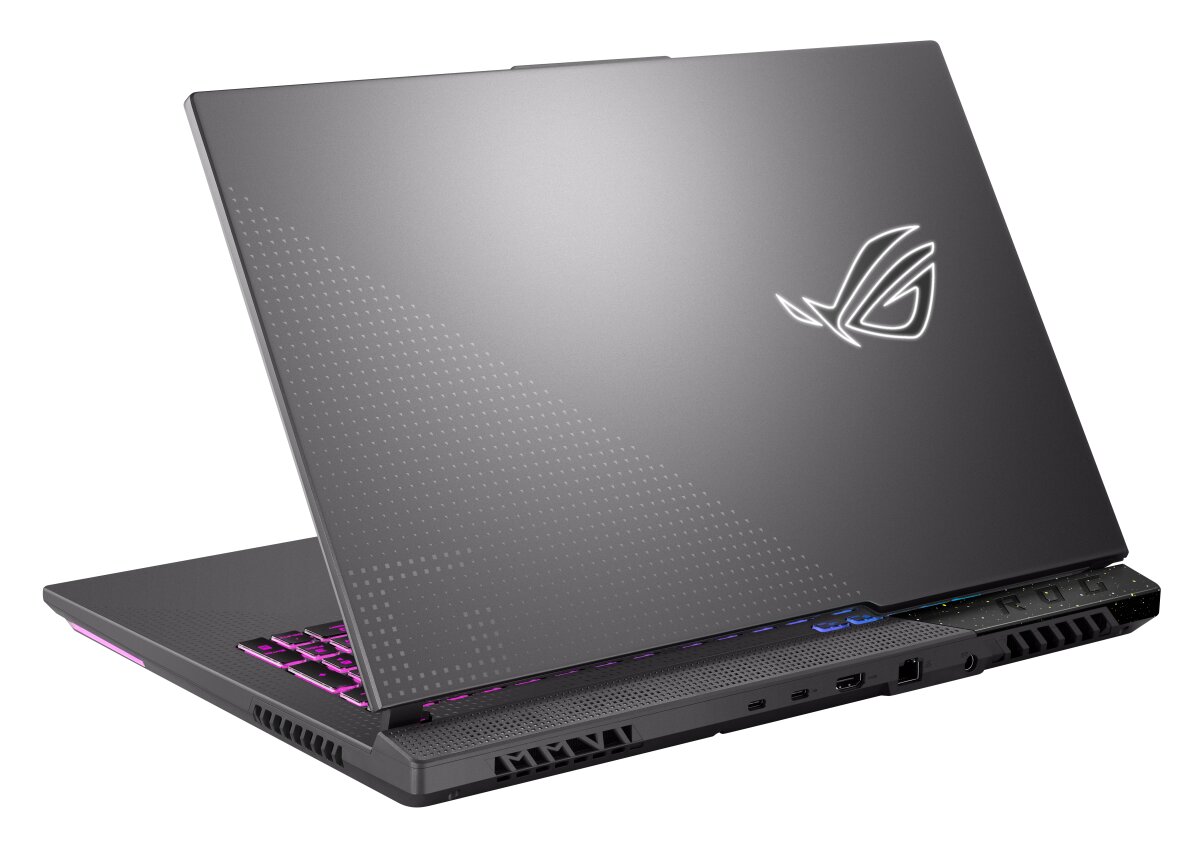

ASUS ROG Strix G17 G713PI-DS94 laptop features DDR5-SDRAM memory upgrade specifications. The system contains 2x SO-DIMM slots supporting maximum RAM capacity of 32 GB total. Compatible memory modules operate at 4800 MHz frequency using SO-DIMM form factor. Specifications define upgrade compatibility and maximum expandable memory configurations for this gaming laptop model.
Memory Upgrade Specifications
| Specification | Value |
|---|---|
| Memory slots | 2x SO-DIMM |
| Form factor | SO-DIMM |
| Memory type | DDR5-SDRAM |
| Frequency | 4800 MHz |
| Maximum RAM | 32 GB |
| Voltage | 1.1V |
| Number of pins | 262-pin |
| Interface | PC5 |
| PC Speed Rating | PC5-4800 (PC5-38400) |
| Bandwidth | 38.4 GB/s |
| Laptop Release date | 10 February 2023 |
Additional Notes
- The ASUS ROG G713PI-DS94 utilizes a dual-channel SO-DIMM architecture, meaning memory performance scales linearly with matched capacity modules rather than single-slot configurations.
- DDR5-4800 MHz memory operates at a significantly higher bandwidth ceiling than predecessor DDR4 standards, but this advantage materializes only when application workloads and GPU rendering pipelines can sustain full memory bus utilization; CPU-bound tasks may not exhibit proportional performance gains.
- The 32 GB maximum capacity constraint creates a hard ceiling for memory-intensive workloads such as 3D asset compilation, virtual machine hosting, and large dataset processing; expansion beyond this limit requires hardware replacement rather than augmentation.
- SO-DIMM form factor imposes physical dimensional restrictions; standard full-size DIMM modules cannot be mechanically accommodated, eliminating sourcing flexibility from desktop memory inventories or alternative manufacturers without compatibility verification.
- Upgrading from factory configurations to the 32 GB maximum requires both SO-DIMM slots to be populated, reducing accessibility to individual slot replacement in future scenarios where isolated module failure occurs.
- DDR5 memory modules generate measurably higher heat output than DDR4 equivalents due to increased voltage and switching frequency; thermal management constraints within the notebook chassis may limit sustained performance at rated 4800 MHz speeds under prolonged load conditions, particularly if internal cooling pathways experience dust accumulation.
- Warranty preservation during RAM upgrades depends on adherence to manufacturer specifications; installation of non-standard frequencies, non-qualified vendors, or modules exceeding 32 GB total capacity risks voiding memory-related coverage.