ASUS ROG G713PI RAM upgrade specifications



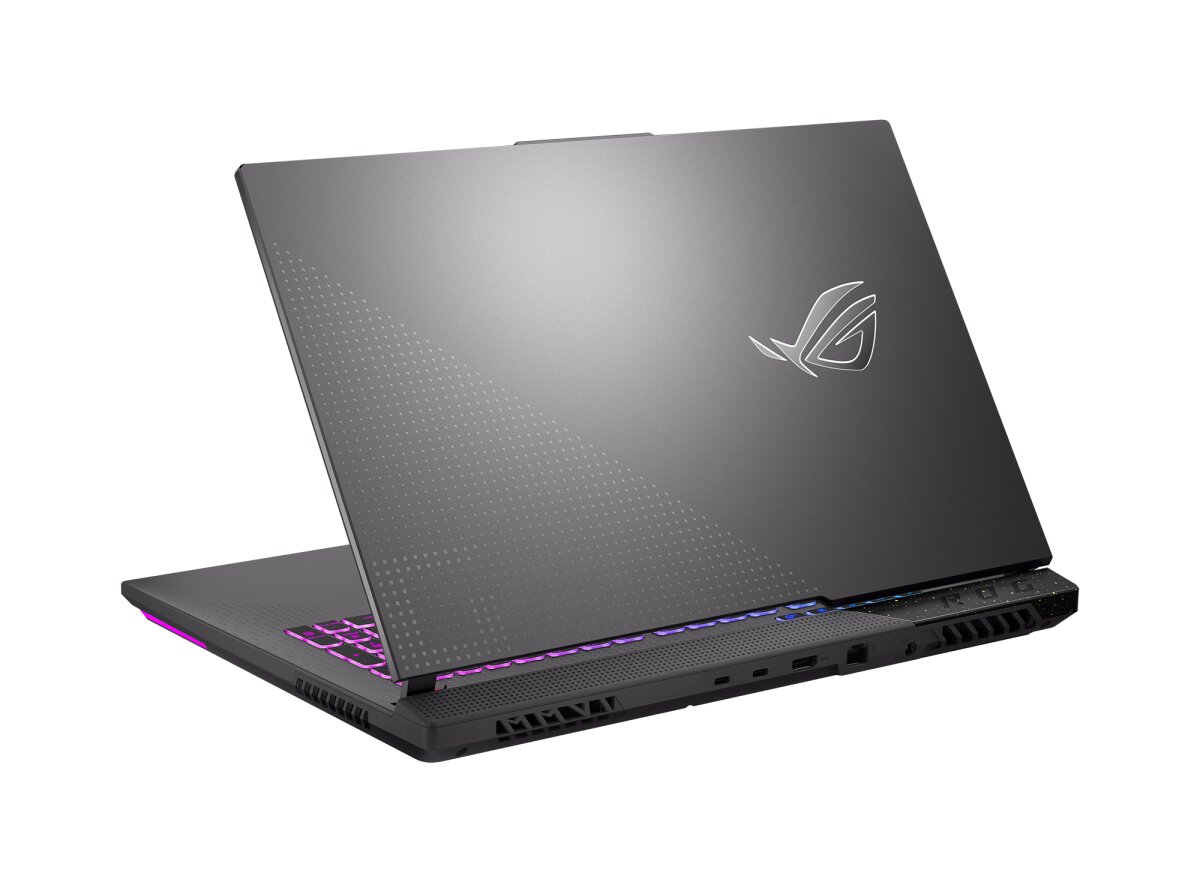
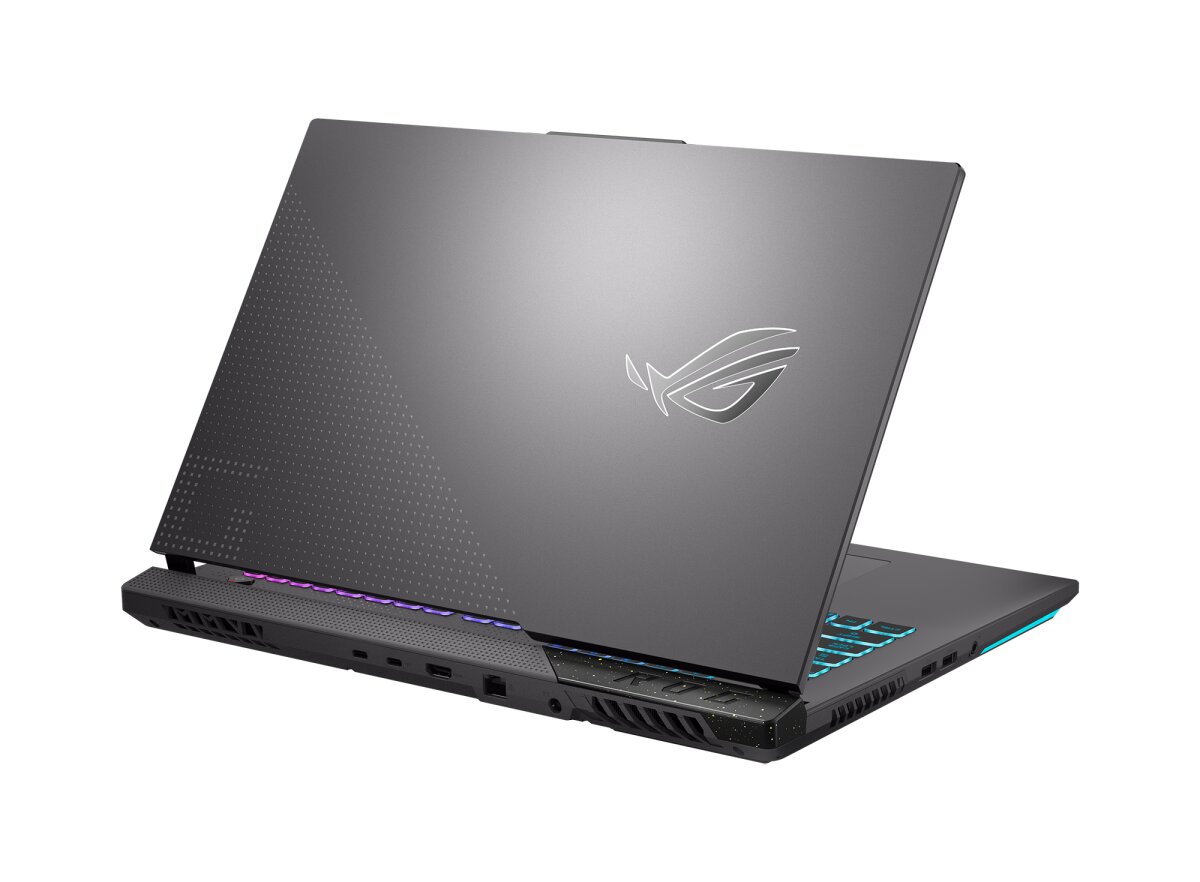
The ASUS ROG Strix G17 G713PI laptop supports DDR5-SDRAM memory upgrades with 2x SO-DIMM slots and a maximum capacity of 32 GB. The memory specifications include DDR5 modules operating at 4800 MHz frequency. Compatible RAM upgrades utilize the SO-DIMM form factor, allowing for expanded memory configurations to enhance system performance. Current memory slots support dual-channel architecture for optimized bandwidth utilization.
Memory Upgrade Specifications
| Specification | Value |
|---|---|
| Memory slots | 2x SO-DIMM |
| Form factor | SO-DIMM |
| Memory type | DDR5-SDRAM |
| Frequency | 4800 MHz |
| Maximum RAM | 32 GB |
| Voltage | 1.1V |
| Number of pins | 262-pin |
| Interface | PC5 |
| PC Speed Rating | PC5-4800 (PC5-38400) |
| Bandwidth | 38.4 GB/s |
Additional Notes
- The ASUS ROG G713PI platform enforces a 32 GB ceiling through chipset or BIOS limitations, preventing recognition of higher-capacity modules even when physically compatible SO-DIMM slots remain available.
- DDR5 SO-DIMM modules require 1.1V operating voltage, incompatible with DDR4's 1.2V standard, eliminating any cross-generation upgrade flexibility.
- The 4800 MHz specification represents JEDEC baseline speed for DDR5, leaving substantial headroom for XMP/EXPO profiles rated at 5200 MHz or higher, though actual performance gains depend on CPU memory controller tolerance.
- Dual-channel population mandates matched module capacities across both slots to maintain symmetrical bandwidth, as mismatched configurations force single-channel operation on the larger module's excess capacity.
- SO-DIMM form factor restricts thermal headroom compared to desktop DIMM counterparts, potentially throttling sustained memory-intensive workloads when ambient temperatures exceed 35°C.
- Non-ECC unbuffered modules represent the only compatible architecture, as SO-DIMM physical pinout lacks space for registered or load-reduction circuitry present in server-grade memory.
- CAS latency tolerance varies across DDR5 production batches, with CL40 timings at 4800 MHz establishing baseline stability while tighter CL38 configurations may require manual voltage adjustments outside warranty parameters.
- Memory replacement procedures typically void seals on bottom chassis panels, potentially affecting warranty claims unrelated to RAM installation depending on regional consumer protection statutes.
- Mixing manufacturers between slots introduces subtiming mismatches in tRCD and tRP parameters, forcing the memory controller to adopt worst-case values and degrading effective throughput by 3-7% compared to matched kits.
- The 2-slot configuration precludes future expansion beyond initial installation capacity, requiring full module replacement rather than incremental additions when reaching the 32 GB threshold.