ASUS ROG G713PI-XS96 RAM upgrade specifications

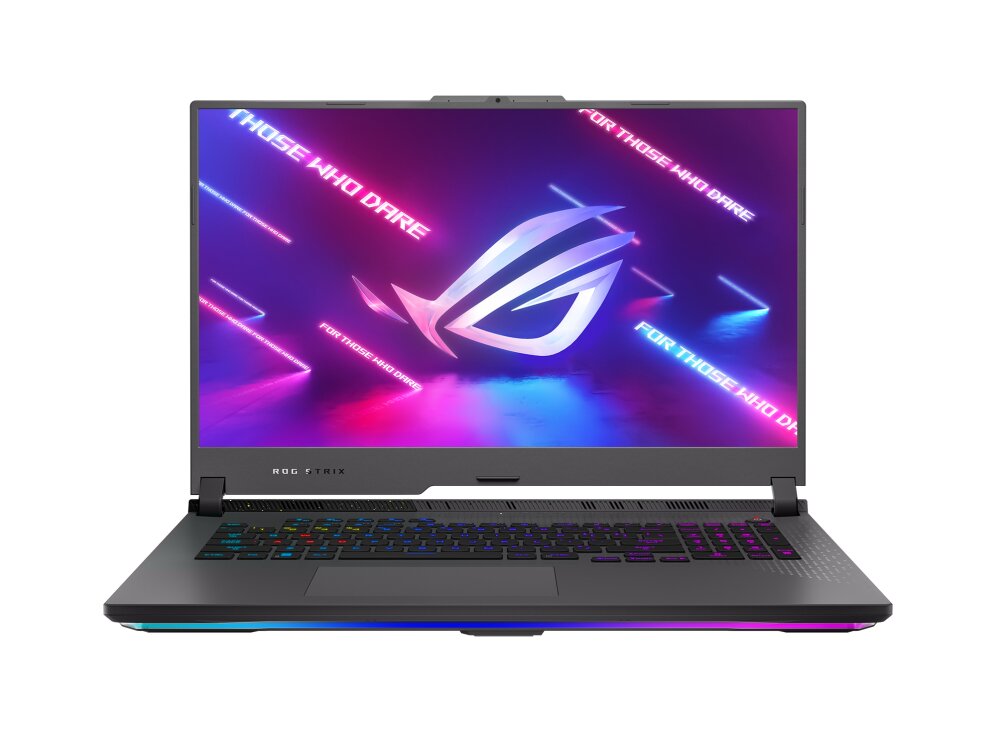



ASUS ROG Strix G17 G713PI-XS96 laptop features dual SO-DIMM memory slots supporting DDR5-SDRAM upgrade specifications. Maximum RAM capacity reaches 32 GB total, with compatible memory operating at 4800 MHz frequency. The upgrade slots accommodate standard SO-DIMM form factor modules, providing expandable memory configurations for enhanced system performance. Specifications indicate dual-channel memory architecture supporting DDR5 technology for optimized gaming and productivity applications.
Memory Upgrade Specifications
| Specification | Value |
|---|---|
| Memory slots | 2x SO-DIMM |
| Form factor | SO-DIMM |
| Memory type | DDR5-SDRAM |
| Frequency | 4800 MHz |
| Maximum RAM | 32 GB |
| Voltage | 1.1V |
| Number of pins | 262-pin |
| Interface | PC5 |
| PC Speed Rating | PC5-4800 (PC5-38400) |
| Bandwidth | 38.4 GB/s |
Additional Notes
- The ASUS ROG G713PI-XS96 employs SO-DIMM modules rather than standard desktop DIMMs, requiring laptop-specific memory procurement and eliminating compatibility with desktop DDR5 inventory.
- DDR5 architecture mandates on-die ECC and dual-channel operation per module, inherently different from DDR4's single-channel-per-DIMM design, affecting signal integrity requirements during installation.
- The 32 GB ceiling enforces a 16 GB per slot maximum, preventing future expansion beyond dual 16 GB modules regardless of theoretical DDR5 capacity increases.
- Operating at 4800 MHz establishes the baseline JEDEC standard speed for DDR5, positioned below enthusiast-grade 5200 MHz or 5600 MHz kits that may offer marginal performance gains if motherboard firmware permits.
- Dual-slot configuration limits upgrade pathways to complete kit replacement when moving from factory-installed capacity, as mismatched module densities can trigger stability issues or force downclock to the slowest stick's specifications.
- SO-DIMM DDR5 physical keying differs from DDR4 notch positioning, making accidental installation of incompatible generation modules mechanically impossible but requiring verification of DDR5-specific purchases.
- Voltage requirements for DDR5 operate at 1.1V compared to DDR4's 1.2V, relying on integrated power management ICs within each module rather than motherboard voltage regulation alone.
- Thermal considerations become relevant as DDR5 modules generate more heat than DDR4 predecessors, particularly at 4800 MHz under sustained workloads, though SO-DIMM installations typically benefit from chassis airflow pathways.
- The absence of RGB or heatspreader specifications in factory documentation suggests focus on non-overclocked JEDEC-compliant modules, where aftermarket RGB SO-DIMMs may introduce height clearance conflicts with keyboard assemblies.
- Warranty preservation typically requires avoiding XMP/EXPO overclocking profiles on laptop platforms, as manufacturer support documentation classifies such modifications outside standard operational parameters.