ASUS ROG G713PU-HX042W RAM upgrade specifications


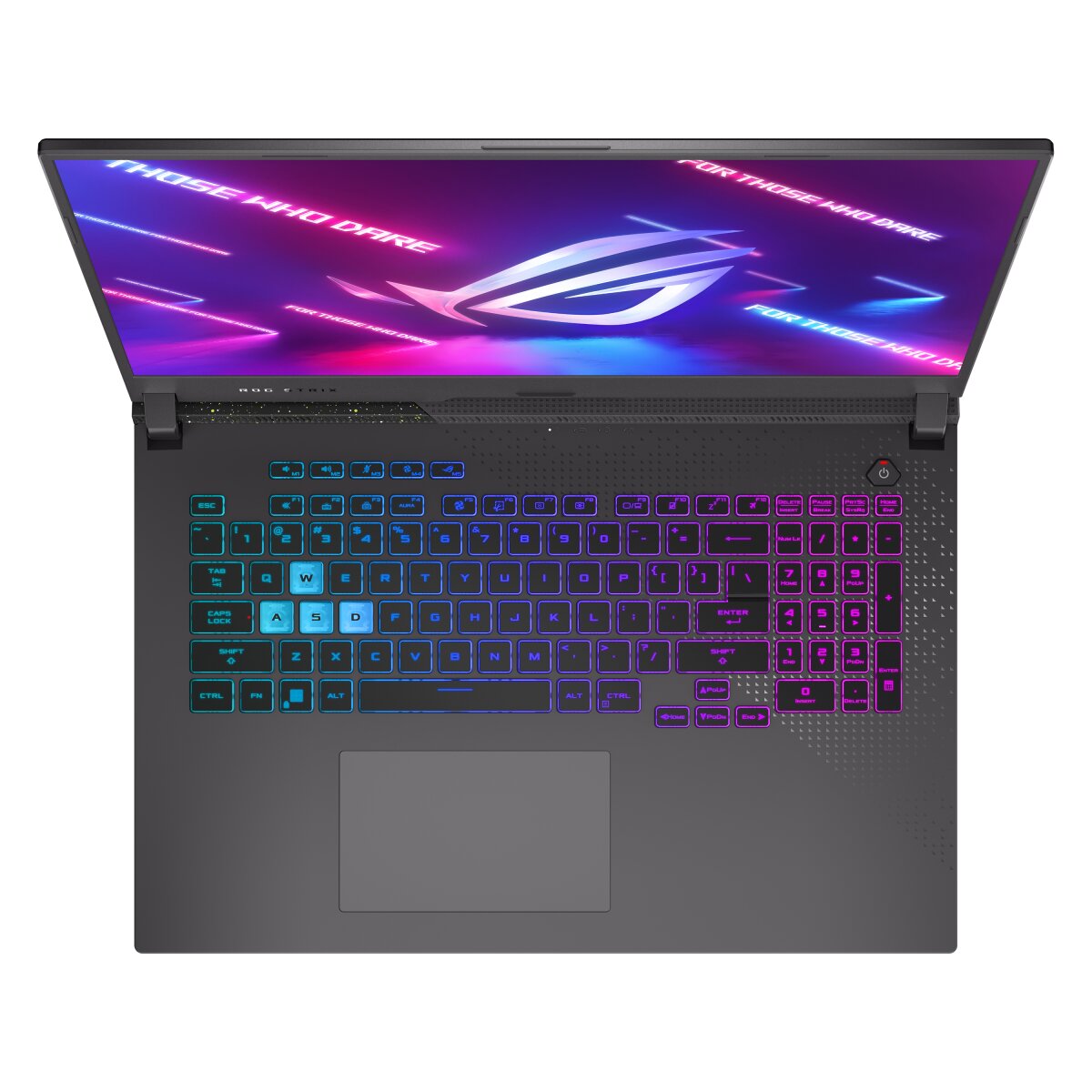


The ASUS ROG Strix G17 G713PU-HX042W laptop features DDR5-SDRAM memory upgradeable through two SO-DIMM slots. The system supports maximum capacity of 32 GB RAM operating at 4800 MHz frequency. Compatible memory modules must conform to SO-DIMM form factor specifications for proper installation and optimal performance with the G713PU-HX042W gaming platform.
Memory Upgrade Specifications
| Specification | Value |
|---|---|
| Memory slots | 2x SO-DIMM |
| Form factor | SO-DIMM |
| Memory type | DDR5-SDRAM |
| Frequency | 4800 MHz |
| Maximum RAM | 32 GB |
| Voltage | 1.1V |
| Number of pins | 262-pin |
| Interface | PC5 |
| PC Speed Rating | PC5-4800 (PC5-38400) |
| Bandwidth | 38.4 GB/s |
| Laptop Release date | 16 April 2023 |
Additional Notes
- The ASUS ROG G713PU-HX042W imposes a 32 GB ceiling across both slots, limiting intensive workloads like virtual machine clusters or large-scale data processing that typically benefit from 64 GB configurations.
- DDR5-SDRAM modules require voltage regulation at 1.1V compared to DDR4's 1.2V standard, making backward compatibility with older DDR4 slots physically and electrically impossible.
- The SO-DIMM form factor restricts modules to 260-pin configurations, preventing installation of standard 288-pin UDIMM desktop memory despite matching DDR5 specifications.
- Operating at 4800 MHz provides 38.4 GB/s theoretical bandwidth per module, though dual-channel configuration doubles aggregate throughput to 76.8 GB/s for memory-intensive operations.
- Mixing modules with different clock speeds forces both modules to synchronize at the lower frequency, potentially throttling 5600 MHz or 6400 MHz modules down to 4800 MHz.
- Factory-installed modules typically occupy both slots in dual-channel pairs, requiring complete replacement rather than single-slot expansion to maintain matched specifications.
- Non-matching CAS latencies between modules can trigger stability issues or force BIOS to apply conservative timings, degrading effective memory performance below rated specifications.
- The 32 GB maximum suggests chipset or routing limitations on the motherboard, as DDR5 SO-DIMM technology supports individual 32 GB modules for potential 64 GB configurations.
- Heat dissipation becomes critical at 4800 MHz, where modules lacking integrated heat spreaders may thermal throttle under sustained memory bandwidth workloads.
- Warranty preservation requires avoiding modules exceeding JEDEC-standard voltage specifications, as XMP or EXPO overvolting profiles may void manufacturer coverage on soldered components.
- Dual-rank modules offer higher density but introduce additional latency cycles compared to single-rank configurations, affecting memory-sensitive applications like real-time rendering.
- The 4800 MHz base frequency represents JEDEC's DDR5 starting specification, leaving headroom for faster modules that may underclock automatically without BIOS intervention.