ASUS ROG G713PU-HX108W RAM upgrade specifications

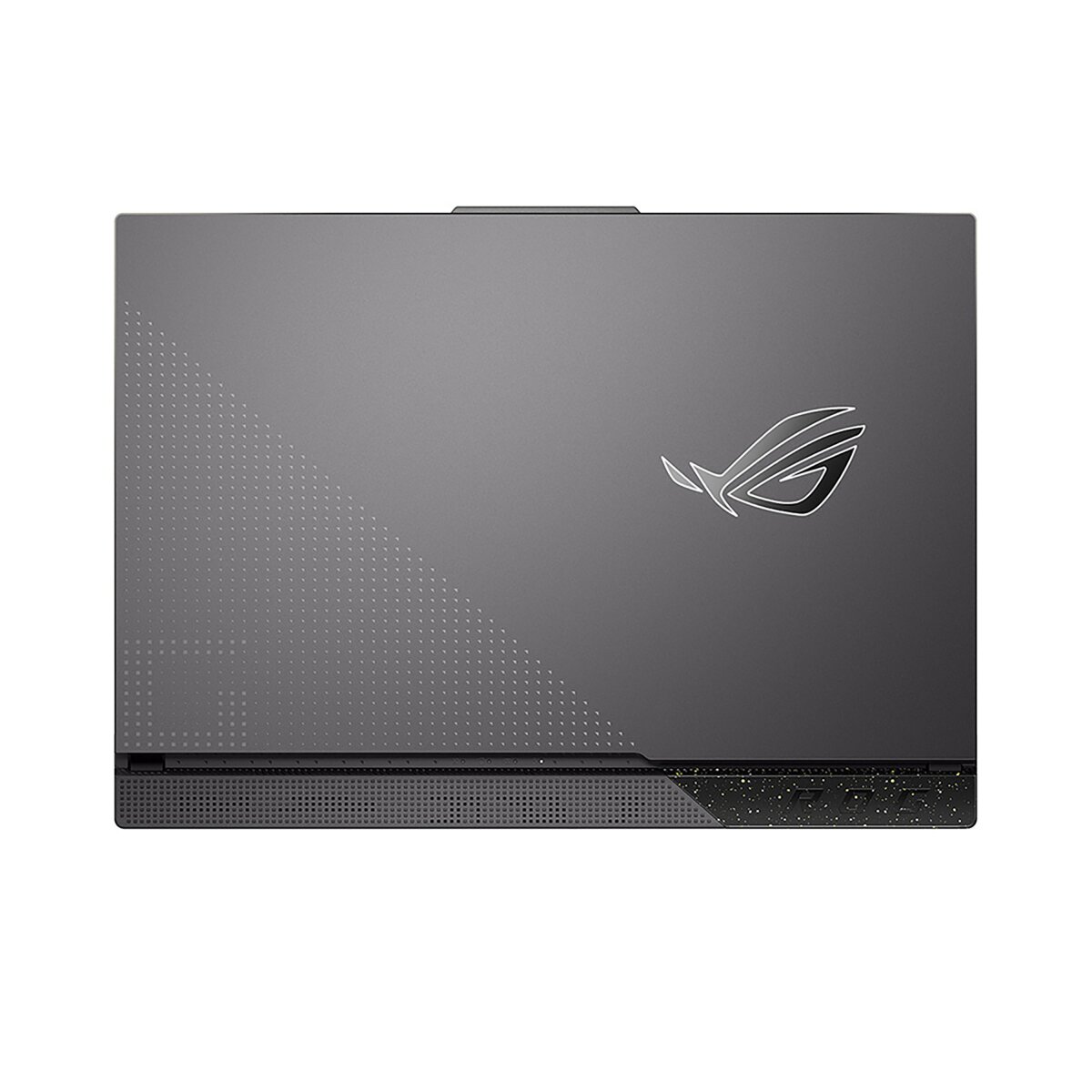



ASUS ROG Strix G17 G713PU-HX108W specifications indicate DDR5-SDRAM memory upgrade capability. Laptop contains 2x SO-DIMM slots compatible with DDR5 memory modules operating at 4800 MHz frequency. Maximum RAM capacity supported reaches 32 GB total. SO-DIMM form factor represents standard notebook memory specifications for this gaming laptop model. Existing memory configuration allows dual-channel upgrade architecture for enhanced performance capabilities.
Memory Upgrade Specifications
| Specification | Value |
|---|---|
| Memory slots | 2x SO-DIMM |
| Form factor | SO-DIMM |
| Memory type | DDR5-SDRAM |
| Frequency | 4800 MHz |
| Maximum RAM | 32 GB |
| Voltage | 1.1V |
| Number of pins | 262-pin |
| Interface | PC5 |
| PC Speed Rating | PC5-4800 (PC5-38400) |
| Bandwidth | 38.4 GB/s |
Additional Notes
- The ASUS ROG G713PU-HX108W operates with a dual-channel memory architecture through 2 SO-DIMM slots, meaning asymmetrical population (single module installation) will force single-channel operation and reduce memory bandwidth efficiency by approximately 50 percent during tasks that benefit from parallel data access.
- DDR5-4800 MHz support indicates the system controller enforces JEDEC standard compliance; third-party modules rated above 4800 MHz will downclock to native specification, making premium-tier DDR5 kits (6000+ MHz variants) provide no performance advantage on this platform.
- The 32 GB ceiling represents a hard firmware limitation rather than a physical slot constraint, since modern 24 GB SO-DIMM modules exist but will not initialize on this motherboard's memory controller, blocking single-upgrade paths for users seeking maximum density in one module.
- SO-DIMM form factor requires full system disassembly on most gaming laptops in this class; RAM replacement is not typically user-serviceable without removing the keyboard, trackpad, or base plate, and opening the chassis may void accidental-damage protection depending on warranty terms.
- DDR5 modules exhibit higher latency sensitivity than prior generations due to internal bank complexity; upgrading from 16 GB DDR5 to 32 GB with mismatched CAS latency values can introduce subtle frame time inconsistency in latency-critical applications despite identical frequency ratings.
- Warranty coverage for user-installed RAM differs by region; ASUS typically honors hardware warranties after memory replacement, but pre-installation stress testing of new modules before critical work is advisable to separate manufacturing defects from compatibility edge cases.