ASUS ROG G713PV-HX058W RAM upgrade specifications
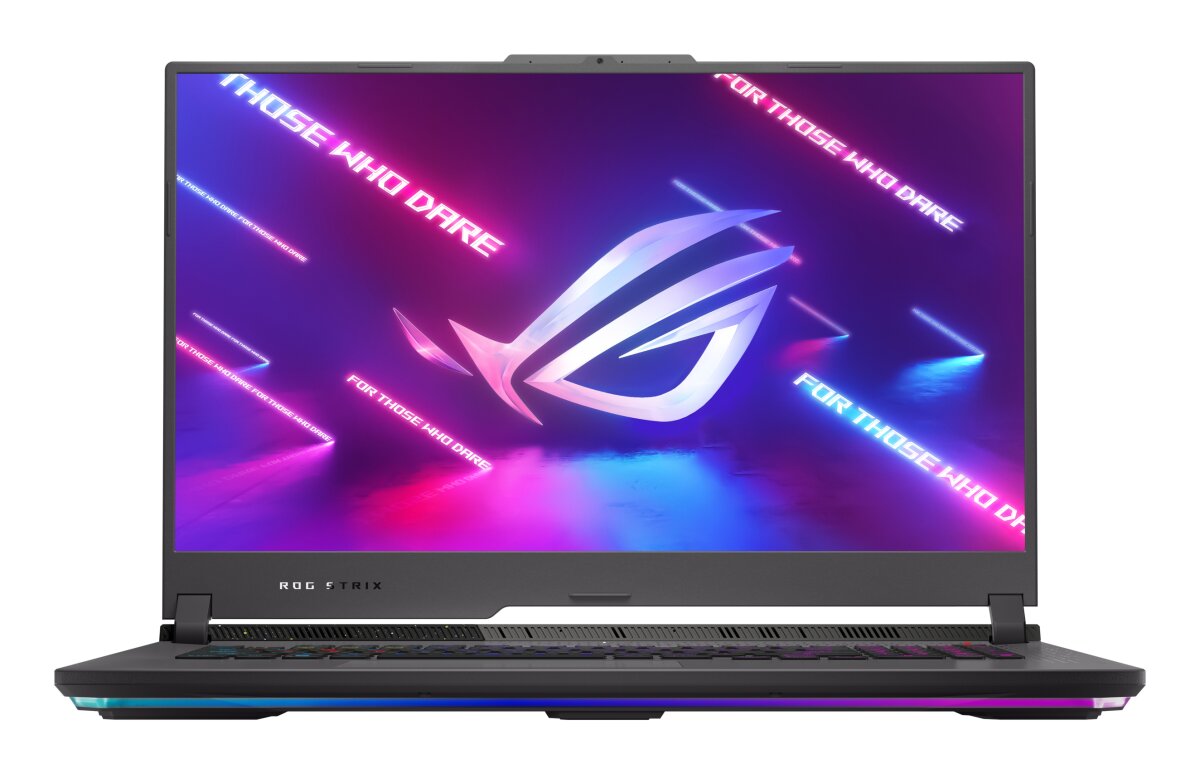
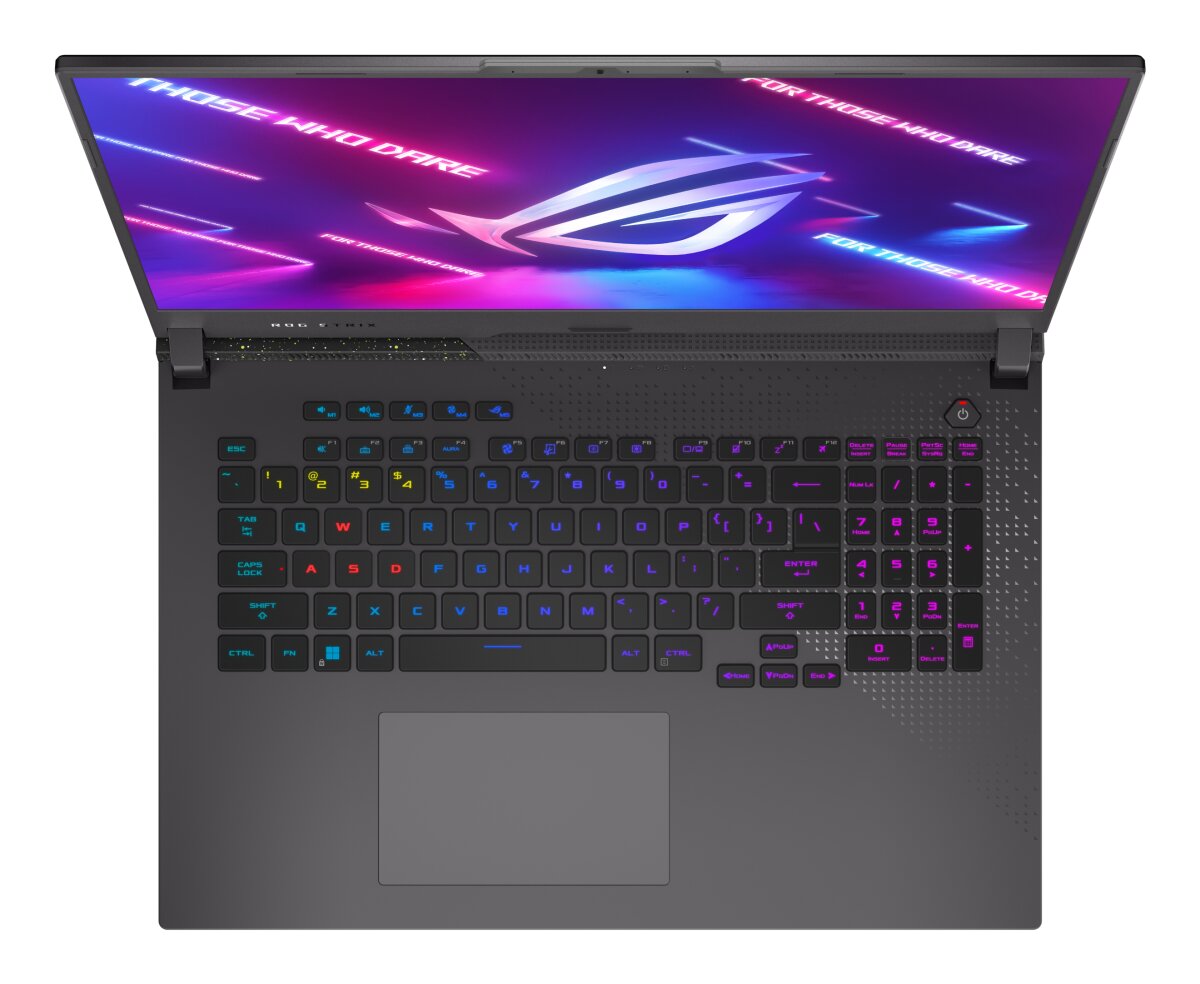



The ASUS ROG Strix G17 G713PV-HX058W laptop features two SO-DIMM memory slots supporting DDR5-SDRAM modules operating at 4800 MHz. The upgrade specifications indicate maximum RAM capacity of 32 GB total. Compatible DDR5 memory modules can be installed in either slot to expand the system memory. The SO-DIMM form factor is standard for this gaming laptop model, enabling straightforward memory installation and configuration.
Memory Upgrade Specifications
| Specification | Value |
|---|---|
| Memory slots | 2x SO-DIMM |
| Form factor | SO-DIMM |
| Memory type | DDR5-SDRAM |
| Frequency | 4800 MHz |
| Maximum RAM | 32 GB |
| Voltage | 1.1V |
| Number of pins | 262-pin |
| Interface | PC5 |
| PC Speed Rating | PC5-4800 (PC5-38400) |
| Bandwidth | 38.4 GB/s |
Additional Notes
- The ASUS ROG G713PV-HX058W supports dual-channel DDR5 architecture, meaning paired identical modules will deliver rated bandwidth performance while single-module configurations operate at reduced throughput capacity.
- SO-DIMM slot configuration limits maximum capacity to 32 GB total, restricting memory expansion options compared to standard DIMM laptops that support higher densities; individual modules cannot exceed 16 GB per slot.
- DDR5-4800 MHz specification requires compatible XMP/DOCP-capable modules; generic DDR5 modules rated below 4800 MHz will operate at lower frequencies, though backward compatibility remains guaranteed.
- The 2-slot design eliminates upgrade flexibility once maximum capacity is reached; replacing smaller modules with larger ones represents the only scaling path forward.
- SO-DIMM physical constraints impose thermal limitations during sustained high-performance workloads; DDR5 modules generate measurably more heat than DDR4 equivalents, affecting system thermal budget allocation.
- Warranty preservation requires sourcing DDR5-SO-DIMM modules from OEM-approved vendor lists or modules meeting JEDEC specifications; third-party brands carry potential compatibility risk without formal manufacturer validation.
- The frequency specification indicates support for current DDR5 standard timings; future DDR5 revisions at higher frequencies will not operate in this configuration without firmware updates unavailable for mobile platforms.