ASUS ROG G713PV-LL030W RAM upgrade specifications


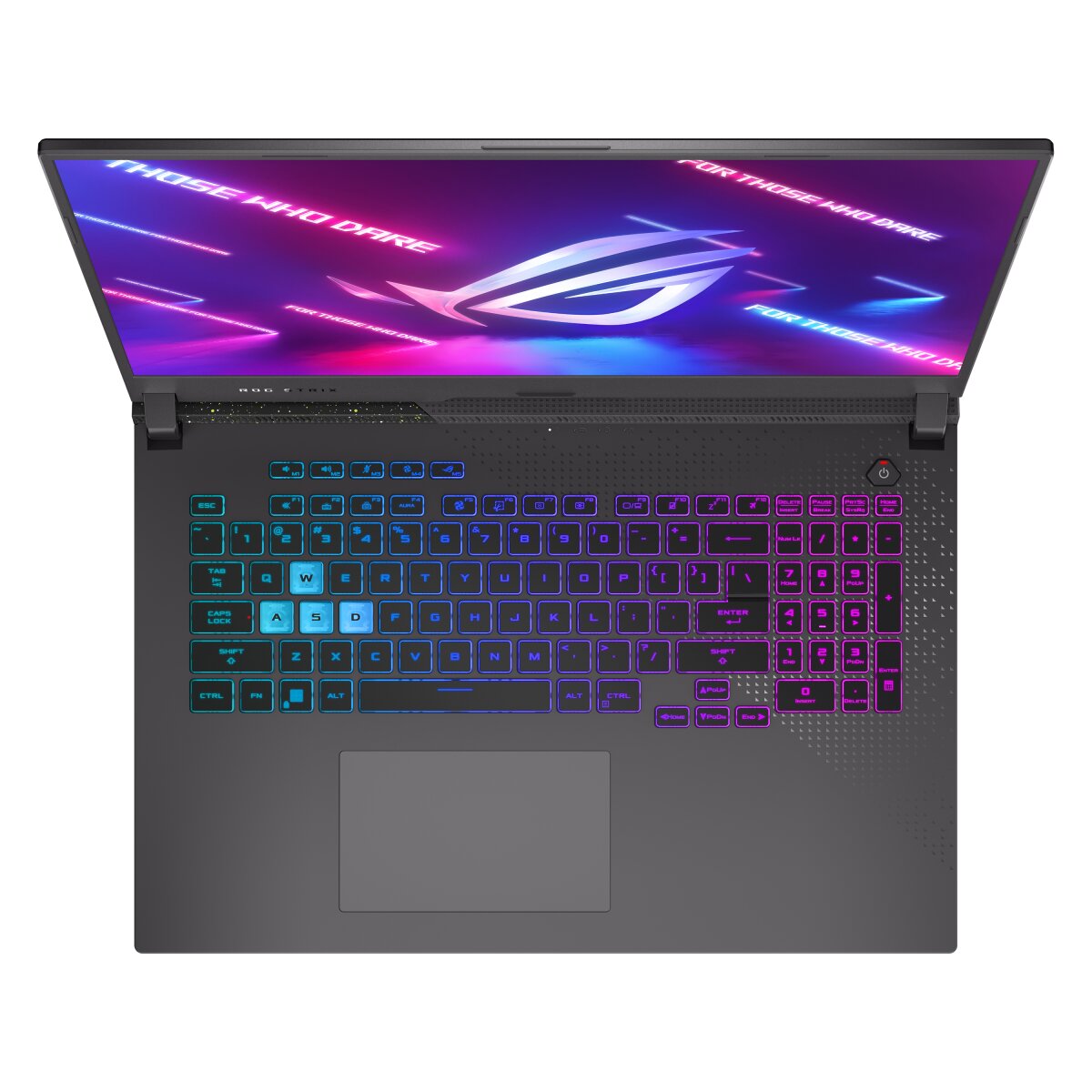
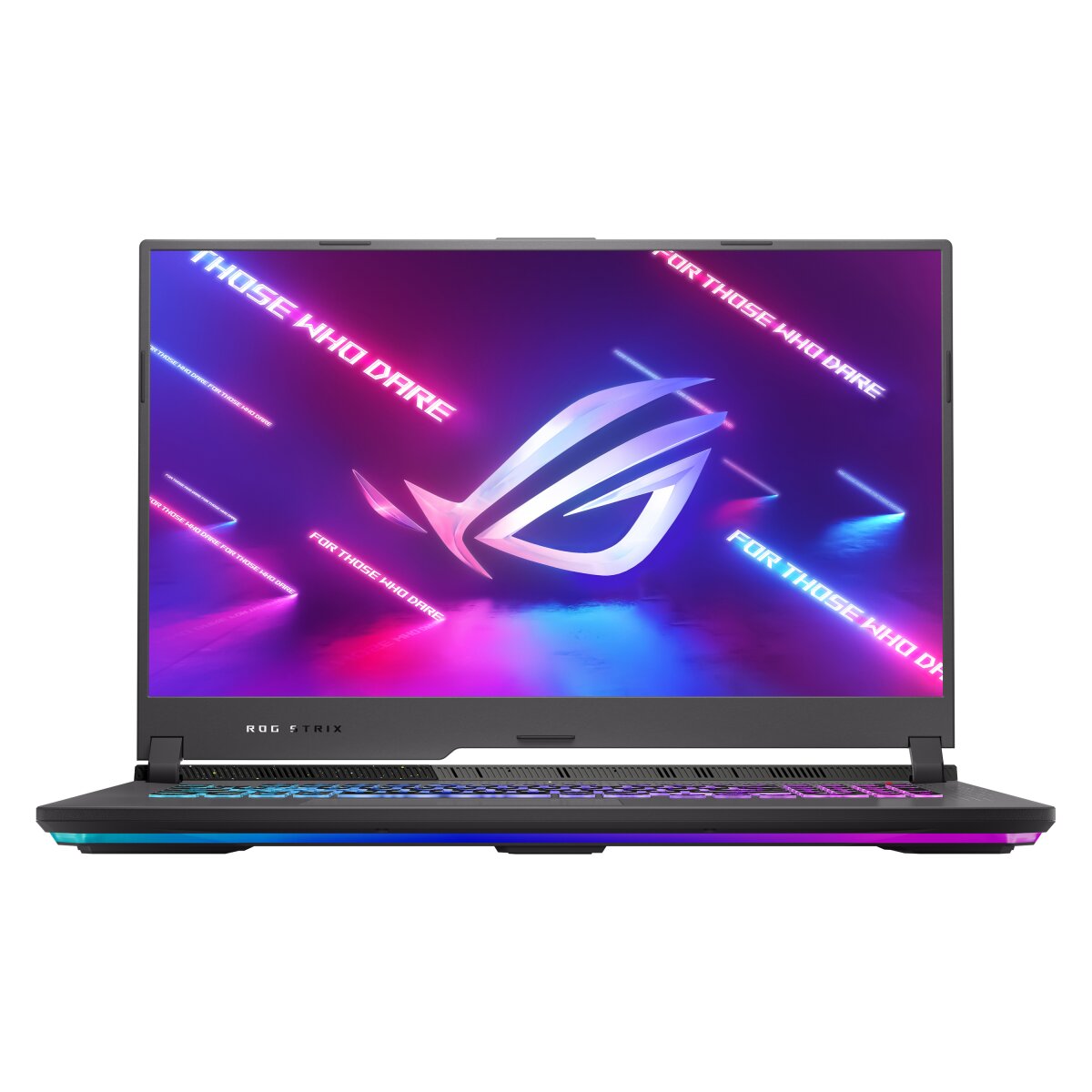

ASUS ROG Strix G17 G713PV-LL030W RAM upgrade specifications indicate DDR5-SDRAM memory compatibility with 2x SO-DIMM slots supporting maximum capacity of 32 GB. Memory operates at 4800 MHz frequency. Compatible DDR5 modules in SO-DIMM form factor enable RAM upgrades for enhanced multitasking performance. Maximum memory configuration reaches 32 GB across dual slots.
Memory Upgrade Specifications
| Specification | Value |
|---|---|
| Memory slots | 2x SO-DIMM |
| Form factor | SO-DIMM |
| Memory type | DDR5-SDRAM |
| Frequency | 4800 MHz |
| Maximum RAM | 32 GB |
| Voltage | 1.1V |
| Number of pins | 262-pin |
| Interface | PC5 |
| PC Speed Rating | PC5-4800 (PC5-38400) |
| Bandwidth | 38.4 GB/s |
| Laptop Release date | 19 April 2023 |
Additional Notes
- The ASUS ROG G713PV-LL030W accepts DDR5 SO-DIMM modules exclusively, preventing the use of any DDR4 memory due to incompatible physical notch positioning and voltage requirements.
- The 32 GB maximum capacity indicates motherboard chipset limitations that will reject higher-density modules even if they physically fit the SO-DIMM slots.
- Each populated slot reduces the total available slot count, requiring removal of existing modules when upgrading to maximum capacity rather than simple addition.
- DDR5-4800 represents the baseline JEDEC specification, meaning modules rated above this frequency will downclock to 4800 MHz regardless of their advertised speeds.
- SO-DIMM form factor physically differs from standard DIMM modules through reduced PCB length and pin count, making desktop memory incompatible even if voltage and generation match.
- Dual-channel architecture requires matched pairs for optimal bandwidth utilization, while mismatched modules force single-channel operation and halve theoretical throughput.
- DDR5 operates at 1.1V compared to DDR4's 1.2V standard, creating potential damage scenarios if incompatible voltage modules are forced into installation.
- The 4800 MHz frequency translates to PC5-38400 transfer rate specification when identifying compatible modules from different manufacturers.
- Mixing module capacities across slots remains possible but may trigger asymmetric dual-channel mode, where only matched portions operate in dual-channel while excess capacity runs in single-channel.
- Bottom panel access typically requires complete disassembly for memory slot access in this chassis design, complicating user upgrades compared to dedicated access doors.
- Non-ECC unbuffered modules are implied by the consumer gaming designation, as registered or error-correcting memory types would be explicitly specified for workstation variants.
- The integrated memory controller within the processor determines actual supported frequencies, potentially limiting or enabling XMP/EXPO profiles beyond the baseline 4800 MHz specification.