ASUS ROG G713RC-RS73 RAM upgrade specifications
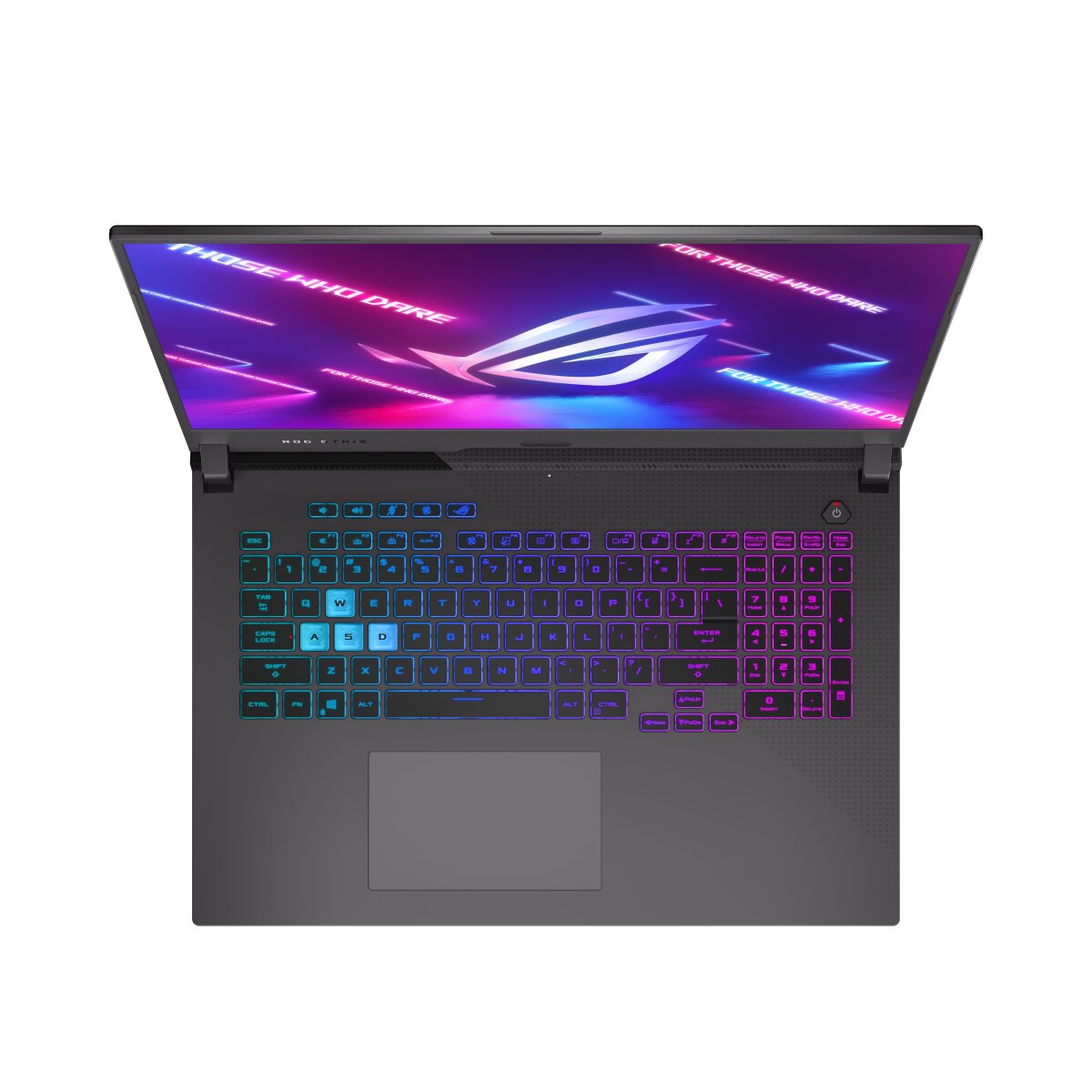
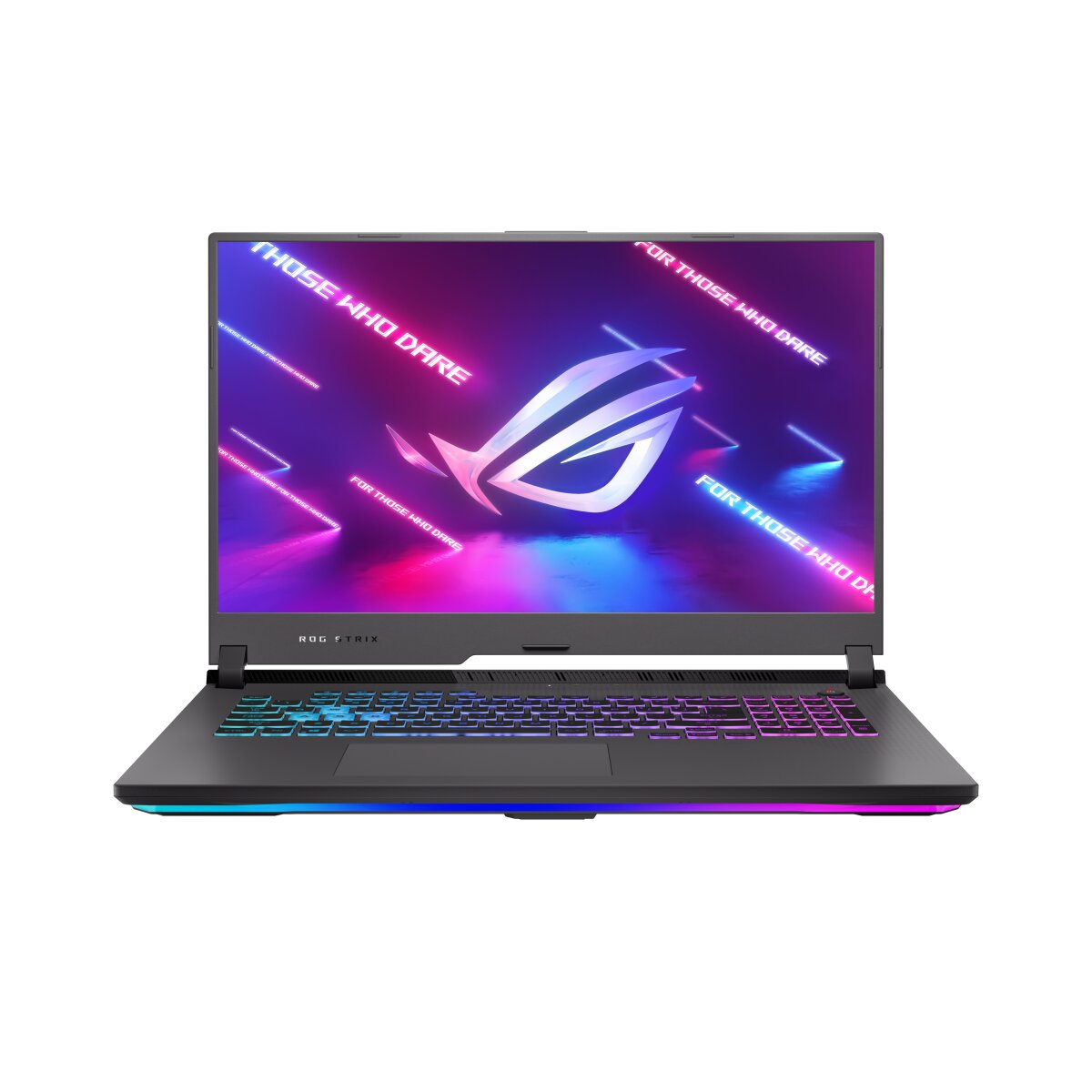
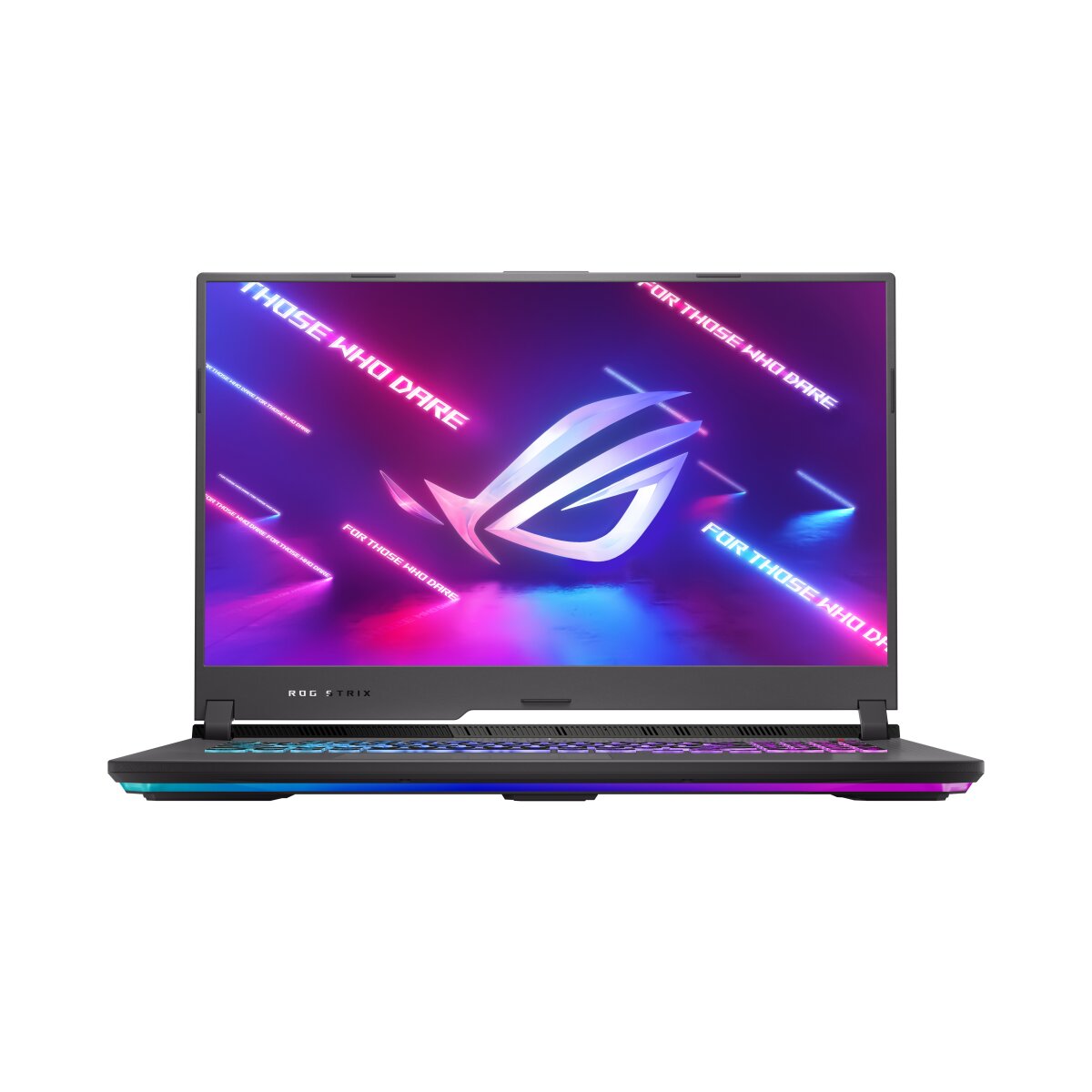
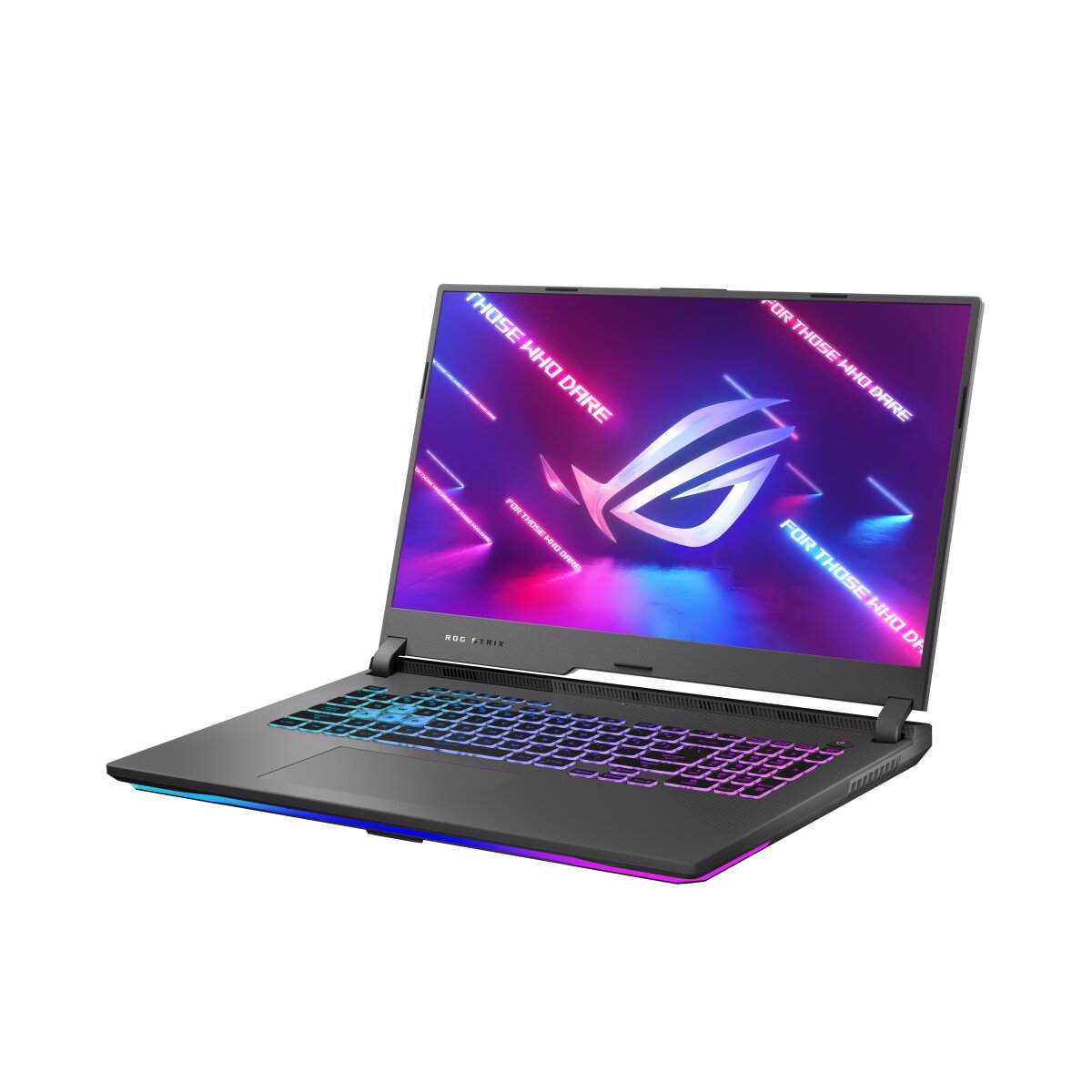
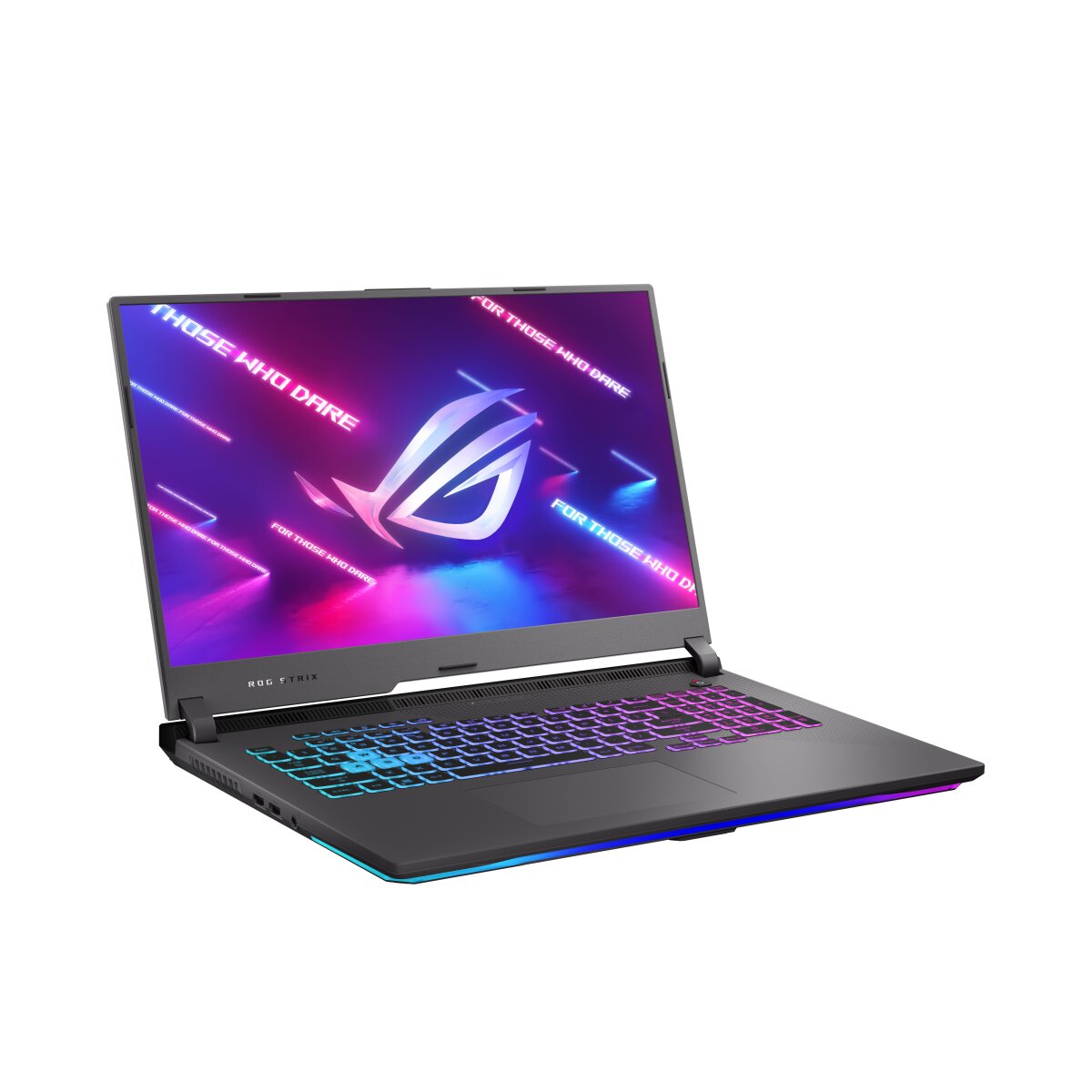
The ASUS ROG Strix G17 G713RC-RS73 features DDR5-SDRAM memory specifications with two SO-DIMM slots supporting maximum capacity of 32 GB. Upgrade options are compatible with DDR5-4800 MHz frequency. The laptop memory configuration allows for modular expansion through available SO-DIMM slots. Current specifications indicate DDR5 memory technology installed in the G713RC-RS73 gaming laptop. Maximum RAM capacity reaches 32 GB total across dual memory slots.
Memory Upgrade Specifications
| Specification | Value |
|---|---|
| Memory slots | 2x SO-DIMM |
| Form factor | SO-DIMM |
| Memory type | DDR5-SDRAM |
| Frequency | 4800 MHz |
| Maximum RAM | 32 GB |
| Voltage | 1.1V |
| Number of pins | 262-pin |
| Interface | PC5 |
| PC Speed Rating | PC5-4800 (PC5-38400) |
| Bandwidth | 38.4 GB/s |
| Laptop Release date | 14 April 2023 |
Additional Notes
- The ASUS ROG G713RC-RS73 supports DDR5-4800 memory, which operates at higher voltages (1.4V nominal) than DDR4 and generates additional thermal output, requiring verification that the laptop's cooling system accommodates aftermarket module heat spreaders without airflow obstruction.
- SO-DIMM slots accept only compact 260-pin modules; standard DDR5 UDIMM desktop memory cannot be physically inserted, restricting upgrade sources to mobile-grade or laptop-specific vendors and potentially increasing per-gigabyte costs relative to desktop alternatives.
- The 32 GB maximum capacity ceiling means mixed-capacity configurations (such as 8 GB plus 24 GB modules) will operate at the speed of the slowest module, making asymmetrical upgrades inefficient and necessitating matched-pair purchases for optimal frequency utilization.
- DDR5-4800 memory requires JEDEC compliance verification; non-standard or overclocked third-party modules rated above 4800 MHz will downclock to the laptop's native 4800 MHz profile, eliminating any speed premium from higher-specification purchases.
- The dual SO-DIMM architecture provides no upgrade flexibility beyond the 32 GB limit; single-slot expansion is not possible after reaching capacity, effectively defining an unreplaceable maximum tier that cannot be expanded through future hardware refreshes.
- SO-DIMM removal typically requires no specialized tools, but thermal pads or adhesive on existing modules may resist extraction; gentle angled pressure rather than direct vertical withdrawal reduces risk of damage to the module connectors and socket retention clips.