ASUS ROG G713RM-KH132W RAM upgrade specifications
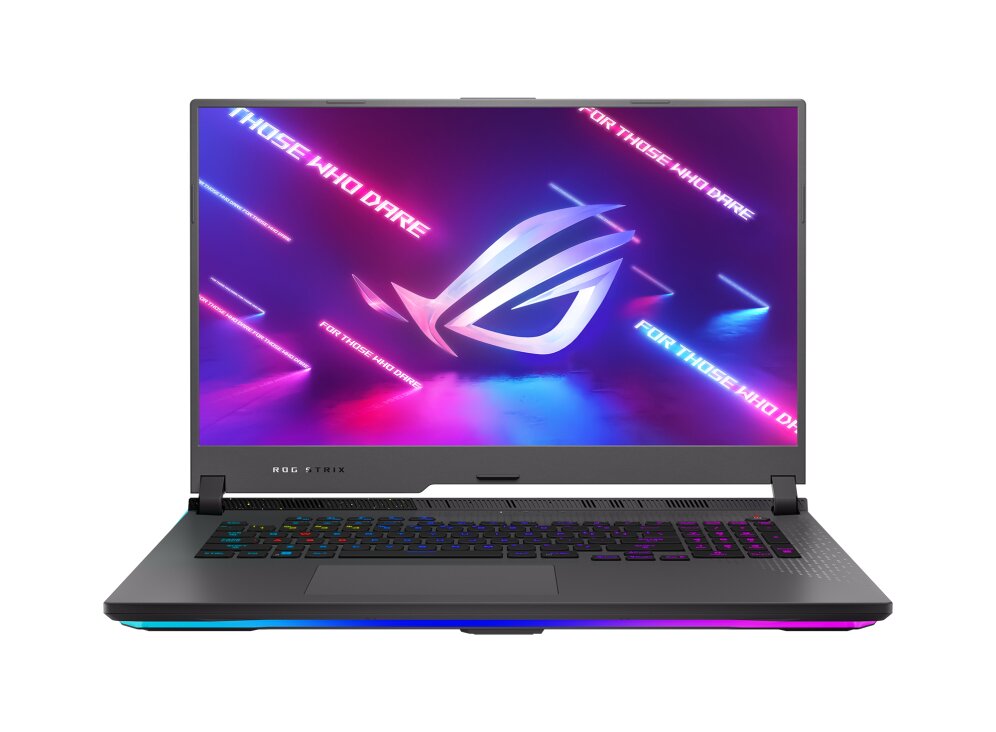
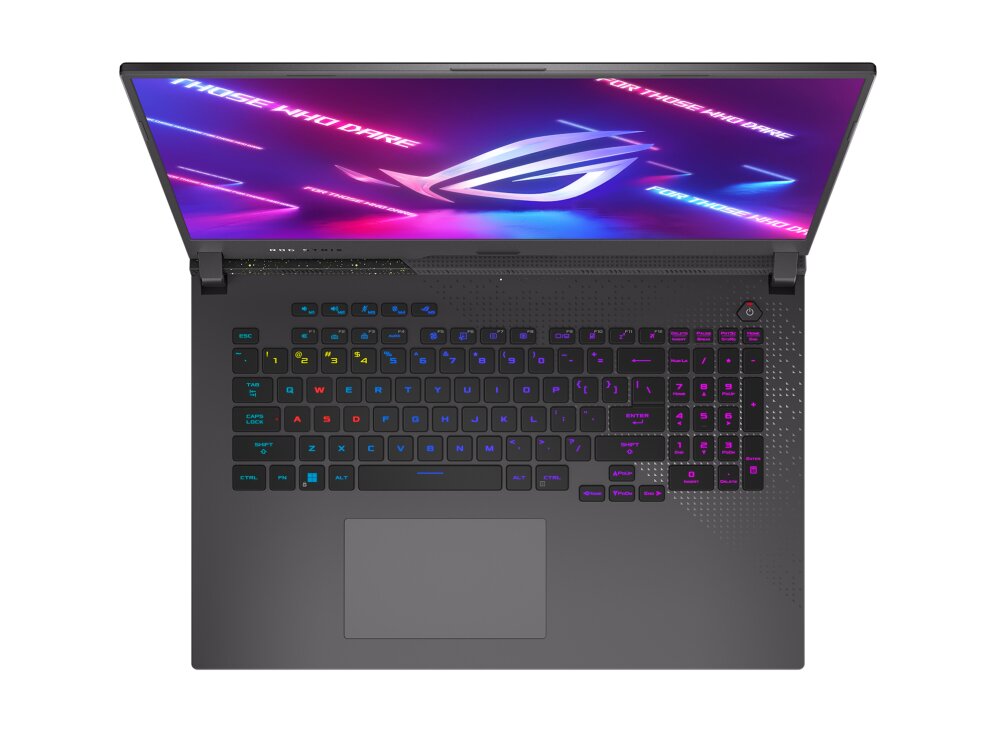
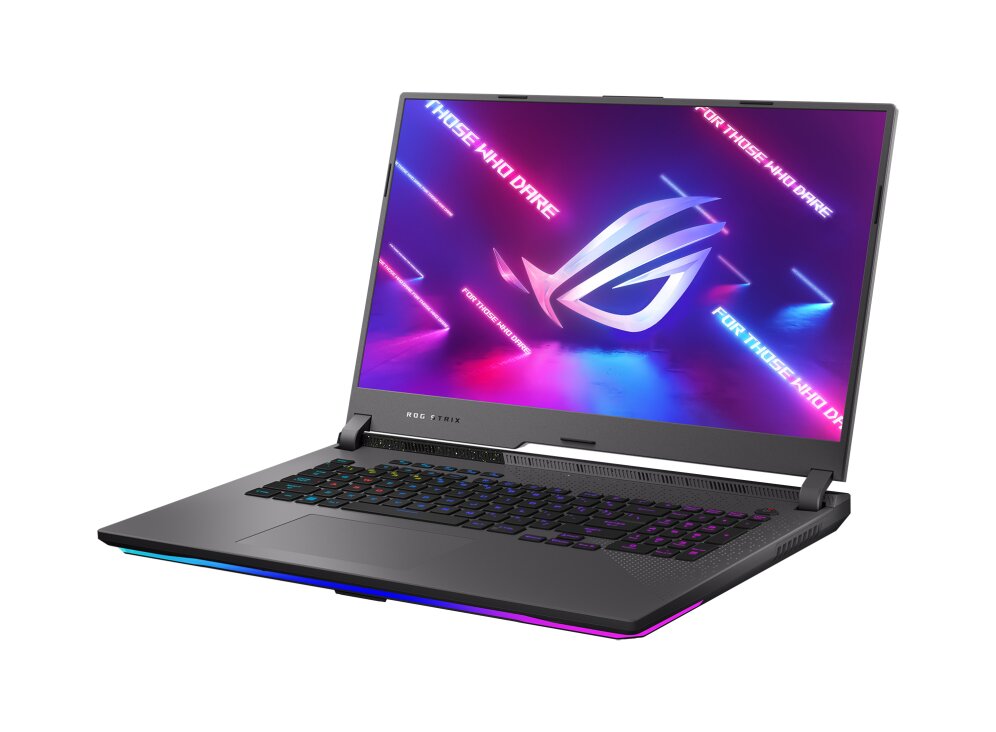

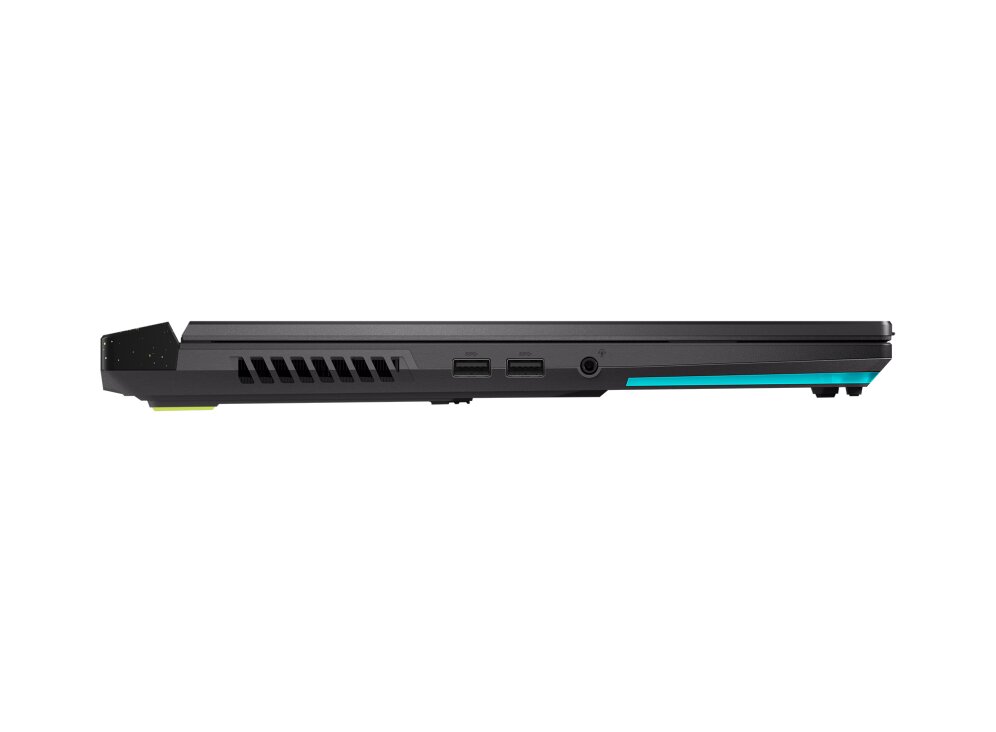
ASUS ROG Strix G17 G713RM-KH132W gaming laptop supports DDR5-SDRAM memory upgrade through 2x SO-DIMM slots. Maximum compatible RAM capacity reaches 32 GB total. Memory specifications include DDR5-SDRAM operating at 4800 MHz frequency. SO-DIMM form factor applies to upgrade modules. Specifications define compatible memory configurations for performance enhancement and multitasking capabilities on this mobile workstation.
Memory Upgrade Specifications
| Specification | Value |
|---|---|
| Memory slots | 2x SO-DIMM |
| Form factor | SO-DIMM |
| Memory type | DDR5-SDRAM |
| Frequency | 4800 MHz |
| Maximum RAM | 32 GB |
| Voltage | 1.1V |
| Number of pins | 262-pin |
| Interface | PC5 |
| PC Speed Rating | PC5-4800 (PC5-38400) |
| Bandwidth | 38.4 GB/s |
| Laptop Release date | 04 April 2023 |
Additional Notes
- The ASUS ROG G713RM-KH132W uses DDR5 SO-DIMM memory exclusively, making it incompatible with any DDR4 modules. Attempting DDR4 installation will result in physical misalignment at the notch key and potential damage to the module contacts.
- With 2 slots and 32 GB maximum capacity, each slot accommodates 16 GB modules maximum. Single-slot upgrades from the factory configuration leave one slot available, but mismatched capacities or frequencies between slots may trigger JEDEC fallback protocols that reduce effective bandwidth utilization.
- The 4800 MHz specification represents JEDEC standard speed for DDR5. Third-party modules rated higher than 4800 MHz will operate at the lower JEDEC rate on this system unless BIOS overclocking profiles are enabled, which may void hardware coverage for memory-related failures.
- SO-DIMM form factor constrains physical space within the chassis. Replacement modules with larger heat spreaders or integrated heatsinks may experience clearance conflicts with the CPU cooler or adjacent internal components, particularly if the stock thermal solution uses low-profile mounting near the memory banks.
- Upgrading to the full 32 GB capacity (2x 16 GB) on a system that shipped with less memory requires replacing both existing modules. Factory-installed modules cannot remain in place alongside new higher-capacity modules if they differ in size, frequency, or revision level.