ASUS ROG G713RM-KH106W RAM upgrade specifications
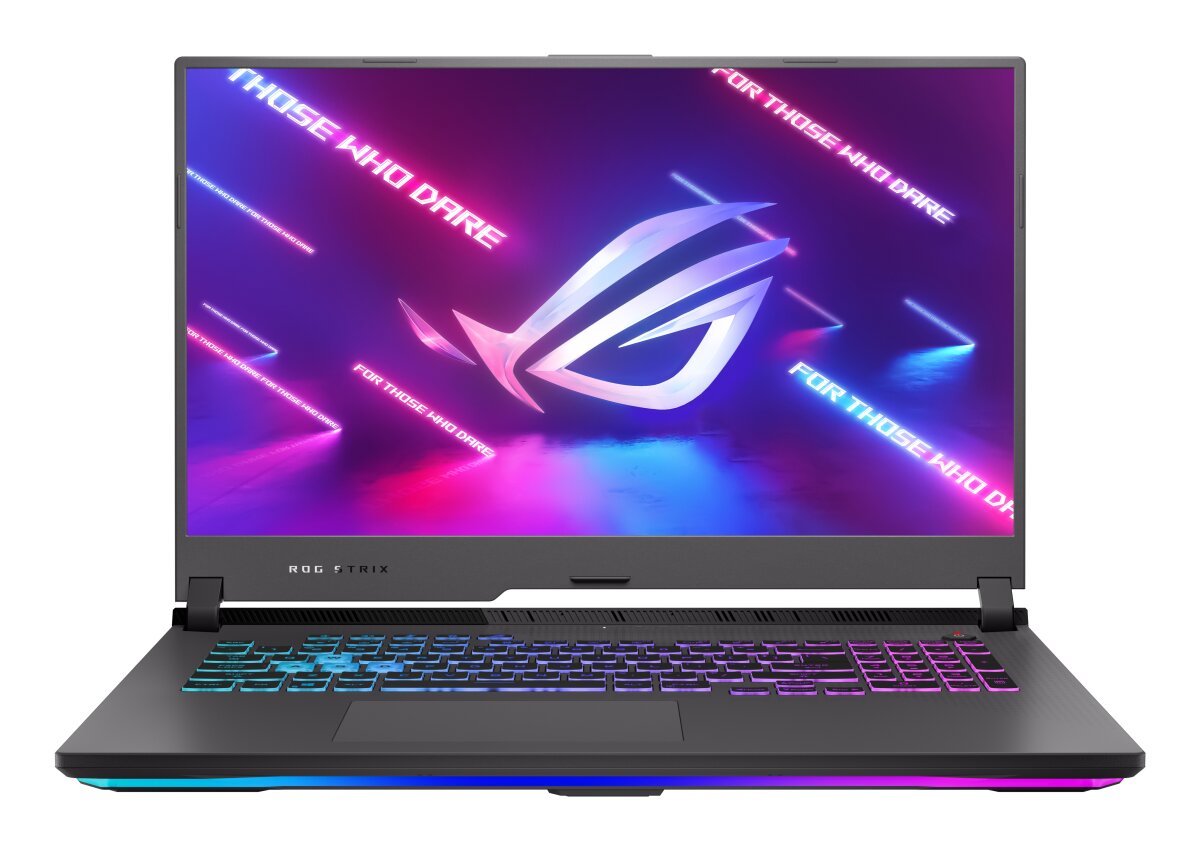
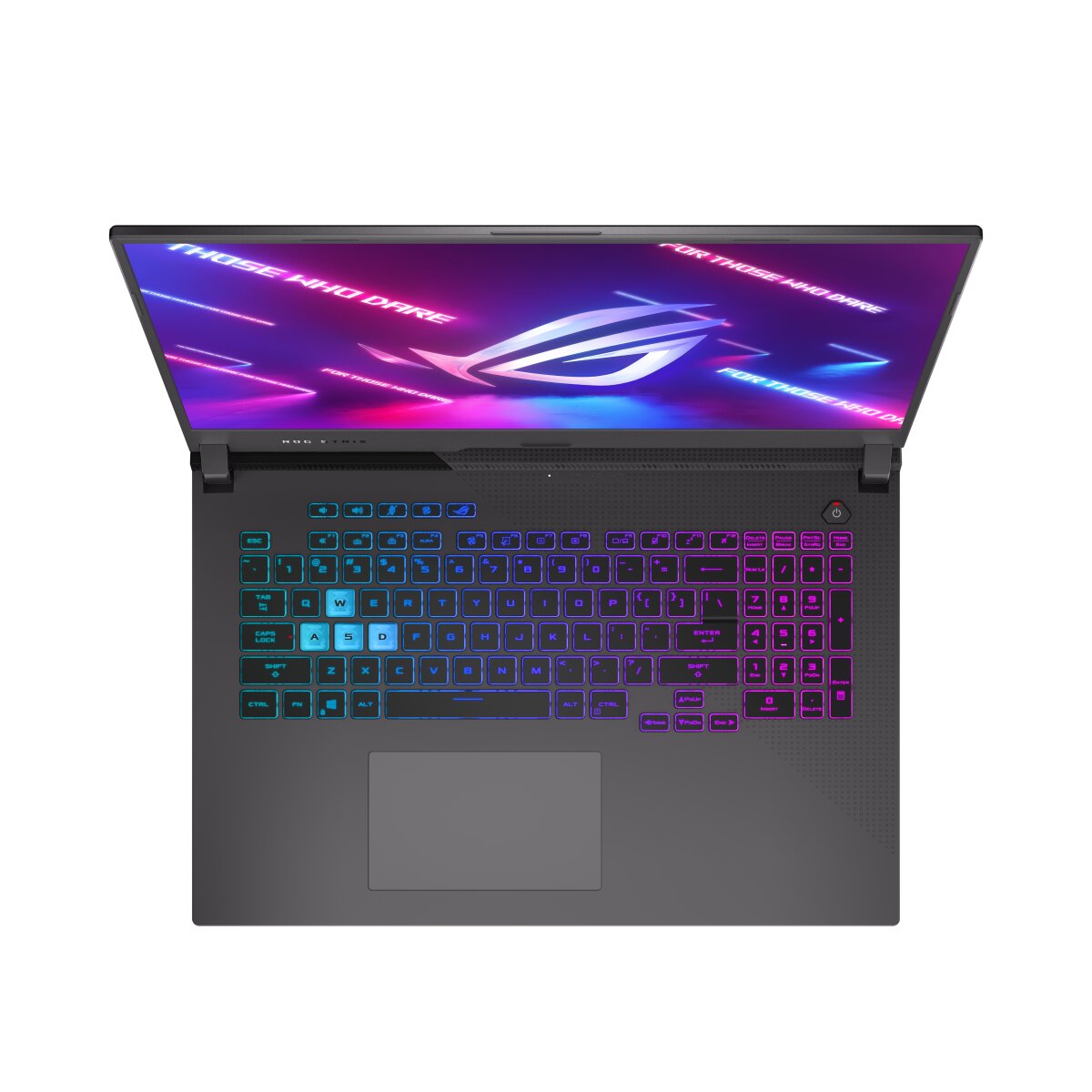
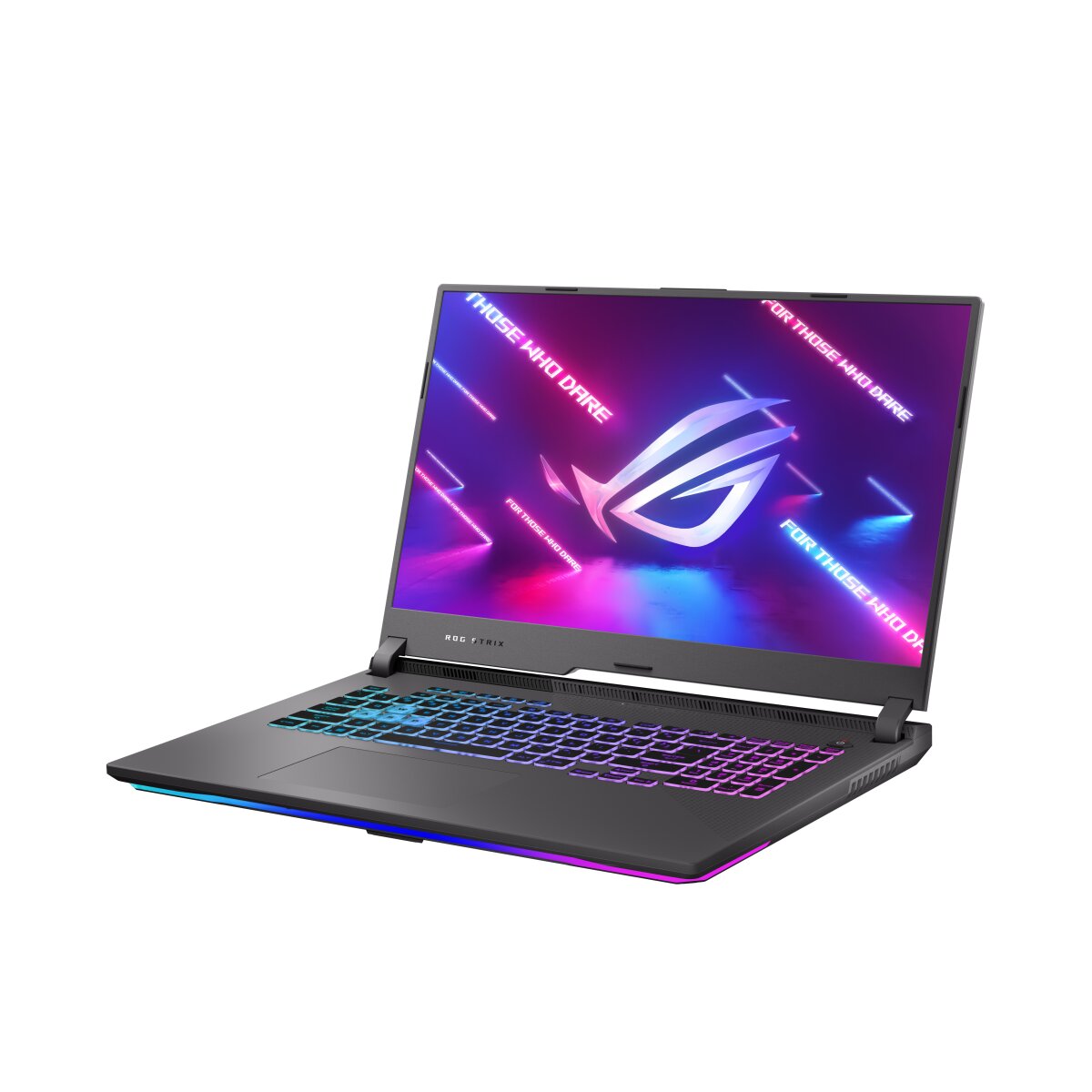
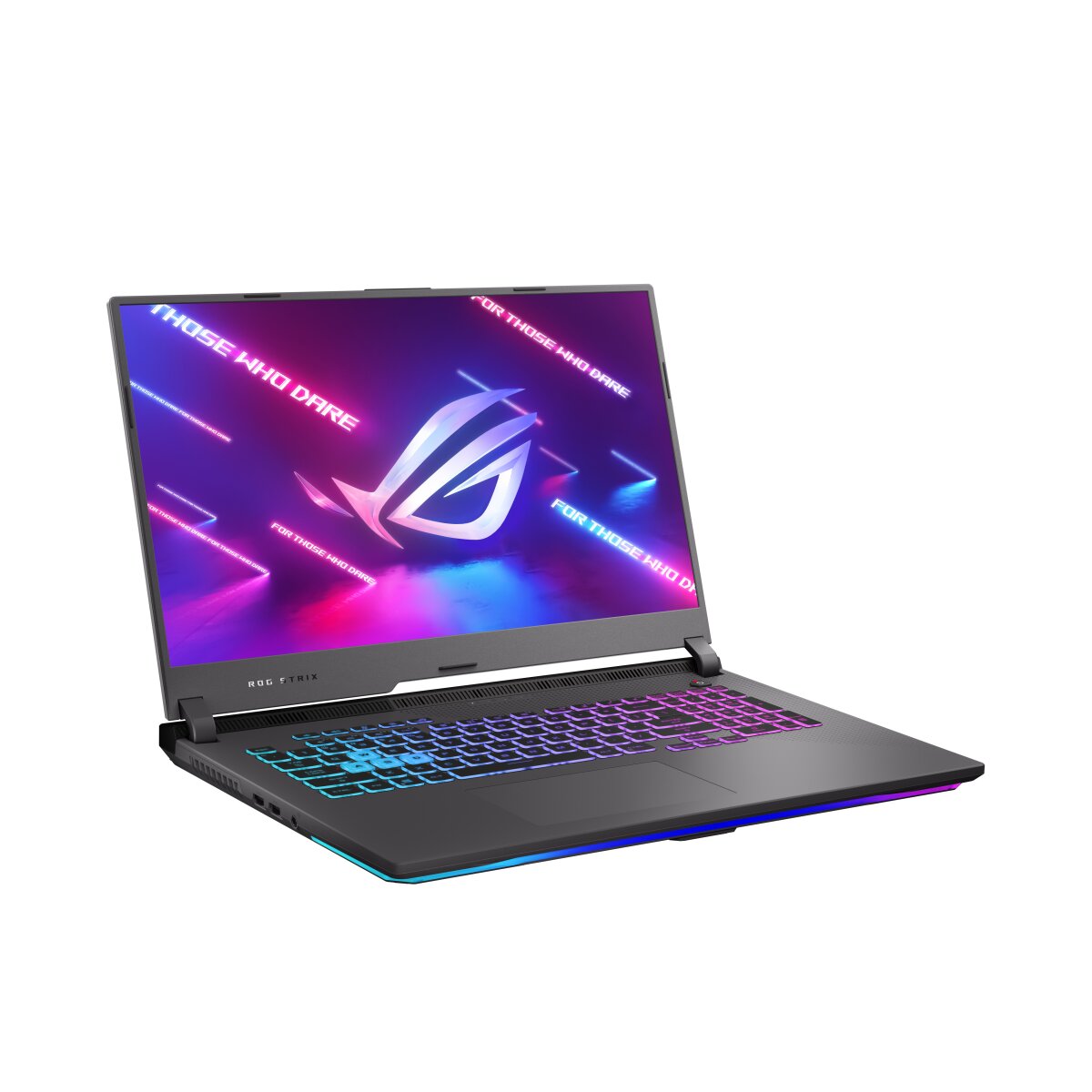
The ASUS ROG Strix G17 G713RM-KH106W gaming laptop features DDR5-SDRAM memory with two SO-DIMM slots supporting maximum capacity of 32 GB. Compatible RAM upgrades operate at 4800 MHz frequency. Specifications indicate the system accommodates SO-DIMM form factor modules, enabling users to expand memory beyond factory-installed configurations. The DDR5 memory specifications provide enhanced bandwidth and performance characteristics for gaming and professional applications.
Memory Upgrade Specifications
| Specification | Value |
|---|---|
| Memory slots | 2x SO-DIMM |
| Form factor | SO-DIMM |
| Memory type | DDR5-SDRAM |
| Frequency | 4800 MHz |
| Maximum RAM | 32 GB |
| Voltage | 1.1V |
| Number of pins | 262-pin |
| Interface | PC5 |
| PC Speed Rating | PC5-4800 (PC5-38400) |
| Bandwidth | 38.4 GB/s |
| Laptop Release date | 10 August 2022 |
Additional Notes
- The ASUS ROG G713RM-KH106W accommodates DDR5 memory exclusively, rendering DDR4 modules physically incompatible regardless of slot configuration.
- Dual SO-DIMM architecture permits symmetrical population only; installing a single module forces asymmetrical dual-channel operation, reducing bandwidth utilization to approximately 50 percent relative to paired configuration.
- The 32 GB ceiling (2x16 GB maximum) constrains workloads requiring memory beyond this threshold; professional applications performing in-memory computation or large dataset processing will encounter hard limitations without external storage workarounds.
- DDR5-4800 MHz operation depends on matching module specifications; mixing 4800 MHz and slower frequency modules causes automatic downclocking of the entire memory subsystem to the slowest installed module's rated speed, negating performance gains from newer components.
- SO-DIMM form factor restricts upgrade sourcing to laptop-grade modules; desktop DDR5 UDIMM components cannot physically insert into SO-DIMM slots, eliminating cost-competitive desktop inventory as alternative sources.
- The 2-slot configuration provides no headroom for future incremental capacity additions; users require complete module replacement rather than supplemental installation to exceed current memory allocation.
- Third-party memory installation typically falls outside manufacturer warranty coverage for this platform; retention of OEM-supplied modules during the upgrade preserves warranty validity, though most vendors permit mixed-origin memory pairings.