ASUS ROG G713RM-KH091W-BE RAM upgrade specifications
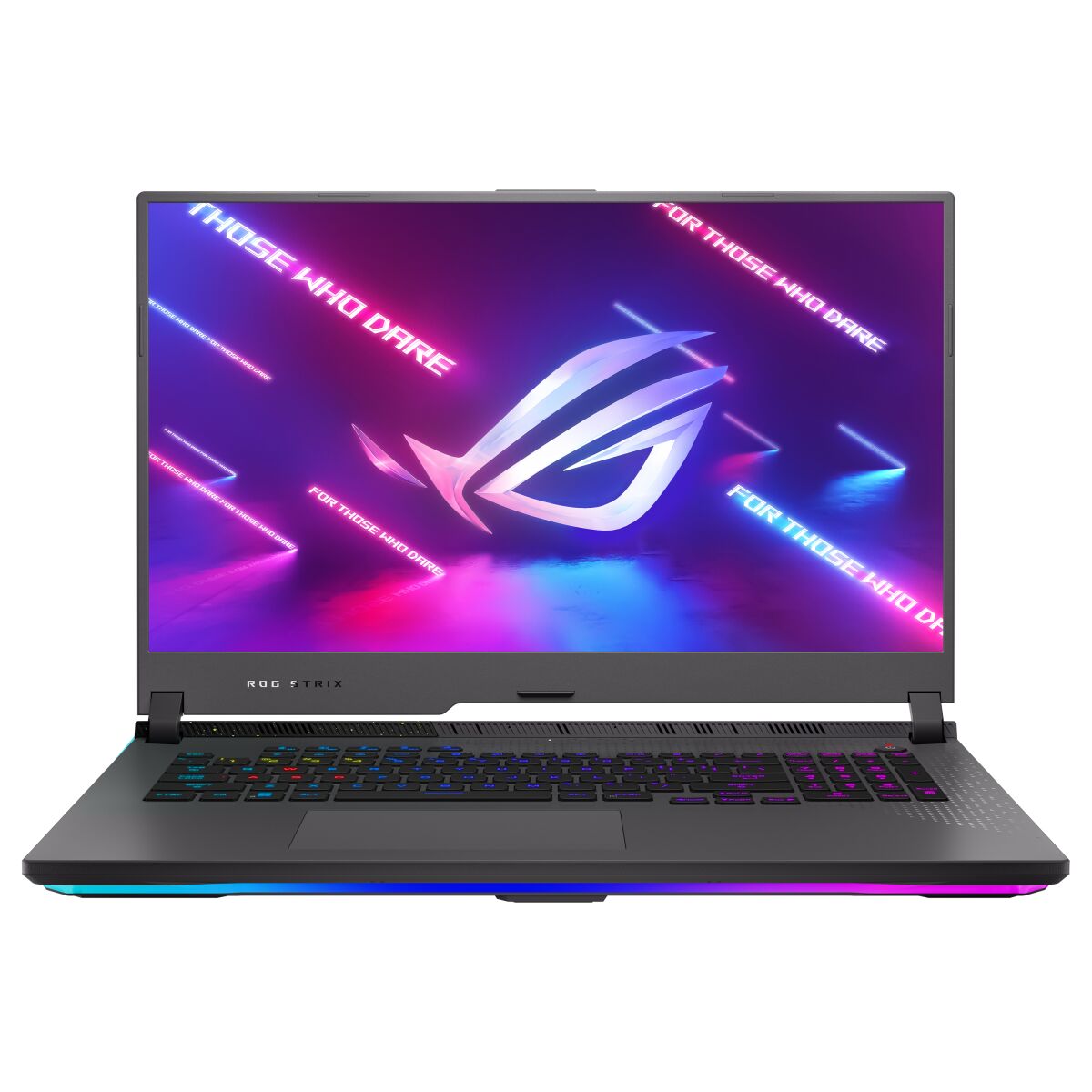
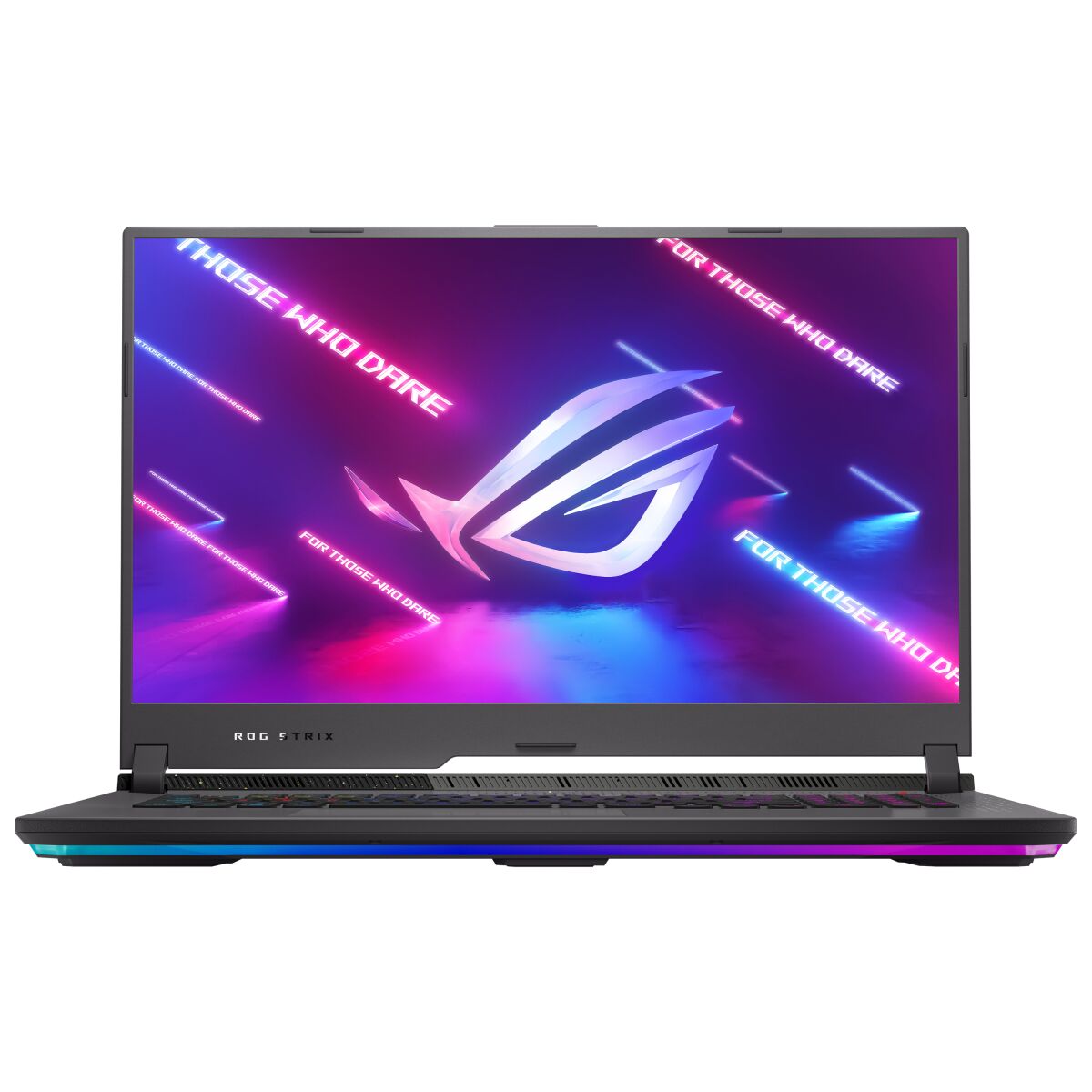
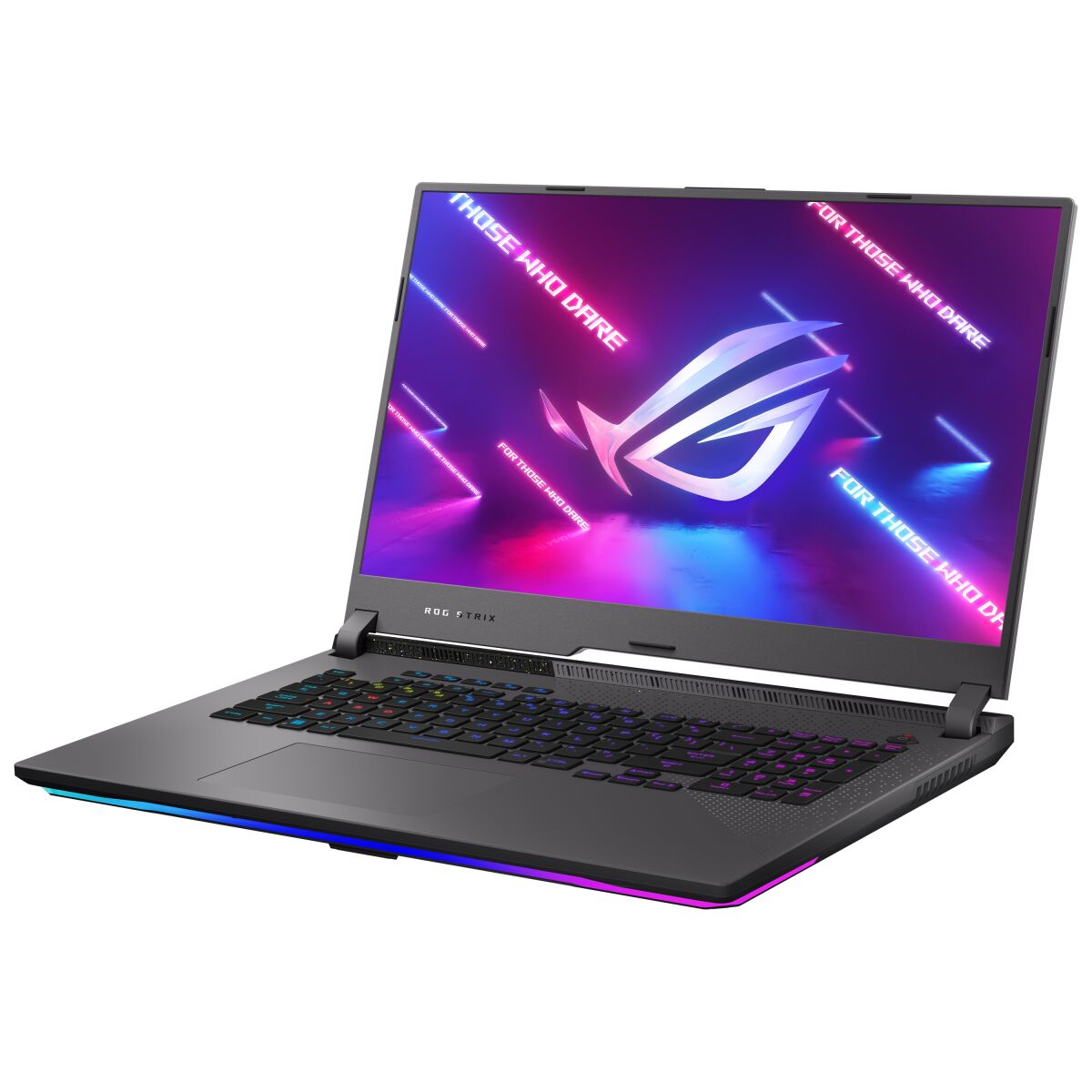

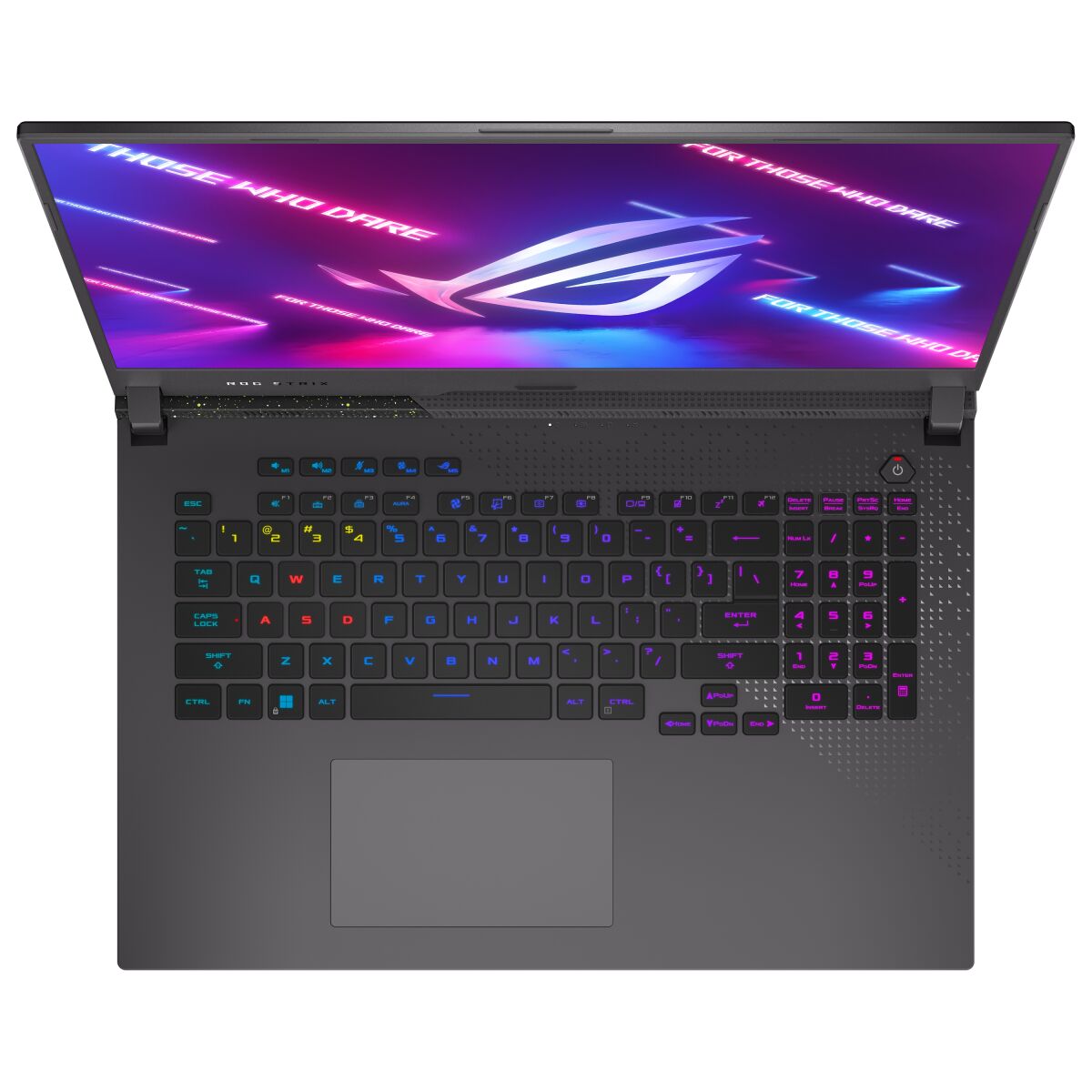
ASUS ROG Strix G17 model G713RM-KH091W-BE supports DDR5-SDRAM memory upgrades with 2x SO-DIMM slots. Maximum memory capacity reaches 32 GB total. Compatible DDR5 modules operate at 4800 MHz frequency. SO-DIMM form factor specifications enable memory expansion for enhanced performance. Current upgrade options allow installation of matching DDR5-SDRAM modules in available slots to reach maximum supported capacity specifications.
Memory Upgrade Specifications
| Specification | Value |
|---|---|
| Memory slots | 2x SO-DIMM |
| Form factor | SO-DIMM |
| Memory type | DDR5-SDRAM |
| Frequency | 4800 MHz |
| Maximum RAM | 32 GB |
| Voltage | 1.1V |
| Number of pins | 262-pin |
| Interface | PC5 |
| PC Speed Rating | PC5-4800 (PC5-38400) |
| Bandwidth | 38.4 GB/s |
| Laptop Release date | 10 January 2022 |
Additional Notes
- The ASUS ROG G713RM-KH091W-BE motherboard architecture imposes a 32 GB ceiling across both slots combined, meaning each module cannot exceed 16 GB regardless of density availability in the DDR5 market.
- DDR5 modules running at frequencies above 4800 MHz will downclock to match the board's native support, eliminating any performance gain from higher-rated kits.
- SO-DIMM form factor limits thermal headroom compared to desktop DIMM equivalents, potentially affecting sustained workloads if high-density modules generate excess heat in confined chassis airflow.
- Mixing modules with different CAS latencies or subtimings forces the memory controller to adopt the slowest common profile, degrading dual-channel efficiency even when capacity matches.
- DDR5's on-die ECC operates independently of user-accessible error correction, providing background stability without requiring specific module selection for consumer-grade platforms.
- Single-rank versus dual-rank module topology affects interleaving behavior at 4800 MHz, with dual-rank configurations offering marginally better bandwidth in memory-intensive scenarios despite identical capacity.
- Voltage requirements remain fixed at 1.1V for JEDEC-standard DDR5-4800, reducing compatibility risks but eliminating manual overvolting as an upgrade strategy.
- The 2-slot configuration requires complete removal of existing modules if upgrading to maximum capacity, as partial upgrades retain lower-density sticks and waste available slots.
- DDR5's higher baseline frequency compared to DDR4 predecessors shifts the performance bottleneck toward CPU memory controller capabilities rather than module specifications alone.
- Warranty preservation depends on using JEDEC-compliant modules, as XMP/EXPO profiles technically operate outside manufacturer-tested parameters even when supported by BIOS.