ASUS ROG G713RS-KH045W RAM upgrade specifications




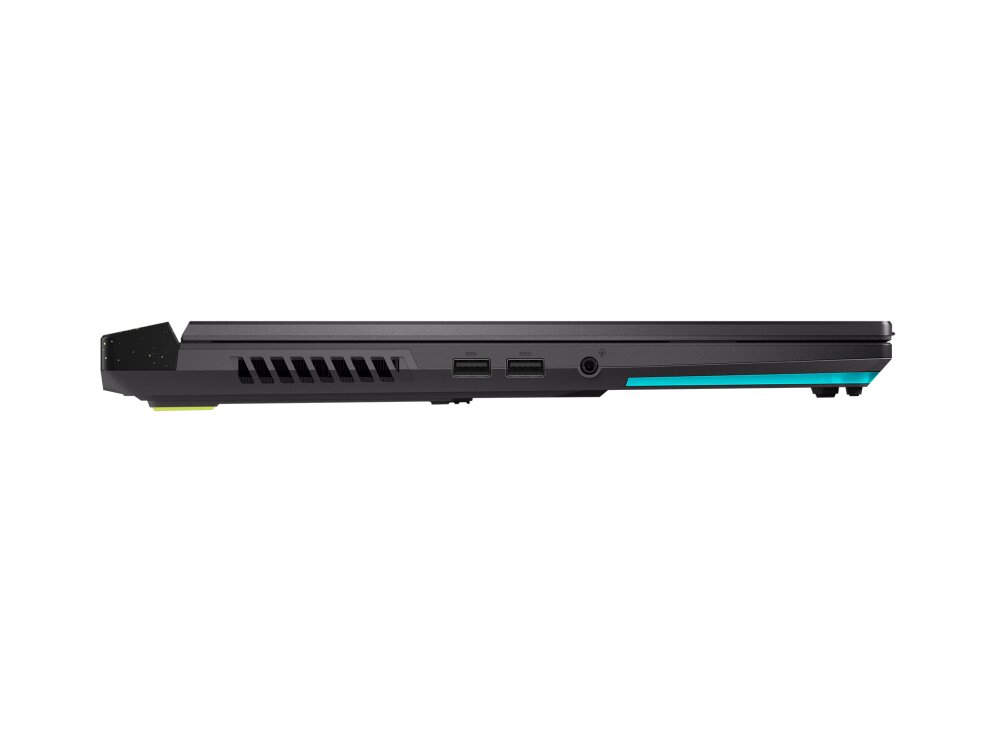
The ASUS ROG Strix G17 G713RS-KH045W features DDR5-SDRAM memory upgrade specifications with two SO-DIMM slots supporting maximum capacity of 32 GB. The laptop is compatible with DDR5 memory modules operating at 4800 MHz frequency. Upgrade options allow for expansion of the system's memory capacity through the available SO-DIMM slots, enabling users to enhance performance by increasing RAM capacity up to the specified maximum limit for enhanced multitasking and gaming capabilities.
Memory Upgrade Specifications
| Specification | Value |
|---|---|
| Memory slots | 2x SO-DIMM |
| Form factor | SO-DIMM |
| Memory type | DDR5-SDRAM |
| Frequency | 4800 MHz |
| Maximum RAM | 32 GB |
| Voltage | 1.1V |
| Number of pins | 262-pin |
| Interface | PC5 |
| PC Speed Rating | PC5-4800 (PC5-38400) |
| Bandwidth | 38.4 GB/s |
| Laptop Release date | 25 June 2022 |
Additional Notes
- The 32 GB ceiling reflects AMD Ryzen 6000 series memory controller limitations rather than physical slot restrictions, preventing expansion beyond dual 16 GB modules regardless of available SO-DIMM sockets.
- DDR5-4800 operates as the baseline JEDEC standard speed, meaning modules rated for higher frequencies will downclock automatically unless XMP profiles receive explicit BIOS support on this ROG platform.
- SO-DIMM DDR5 modules require 1.1V specification compliance, as voltage deviation risks thermal throttling within the compact chassis thermal envelope designed for this gaming laptop.
- Both memory channels must populate with identical capacity and timing specifications to maintain dual-channel bandwidth at 76.8 GB/s, as mismatched configurations force single-channel operation.
- The soldered memory architecture does not apply to the ASUS ROG G713RS-KH045W, confirmed by the presence of 2 accessible SO-DIMM slots beneath the bottom service panel.
- DDR5 on-die ECC functions independently of user intervention but does not substitute for registered ECC memory support, which remains absent from consumer gaming platforms.
- Aftermarket module installation typically preserves warranty coverage when following electrostatic discharge protocols, though verification of regional warranty terms prevents potential claim disputes.
- 4800 MHz memory frequency introduces approximately 83 nanoseconds of true latency with standard CL40 timings, compared to 62.5 nanoseconds for DDR4-3200 CL20, requiring tighter CAS latency modules to achieve comparable responsiveness.
- The AMD EXPO timing optimization may provide better stability than Intel XMP on Ryzen-based systems, suggesting preference for modules advertising EXPO certification when available at this frequency.
- Thermal pad contact between SO-DIMM modules and the bottom case requires low-profile module heights below 32mm to prevent interference with heat dissipation pathways.