ASUS ROG G713RS-LL008W RAM upgrade specifications




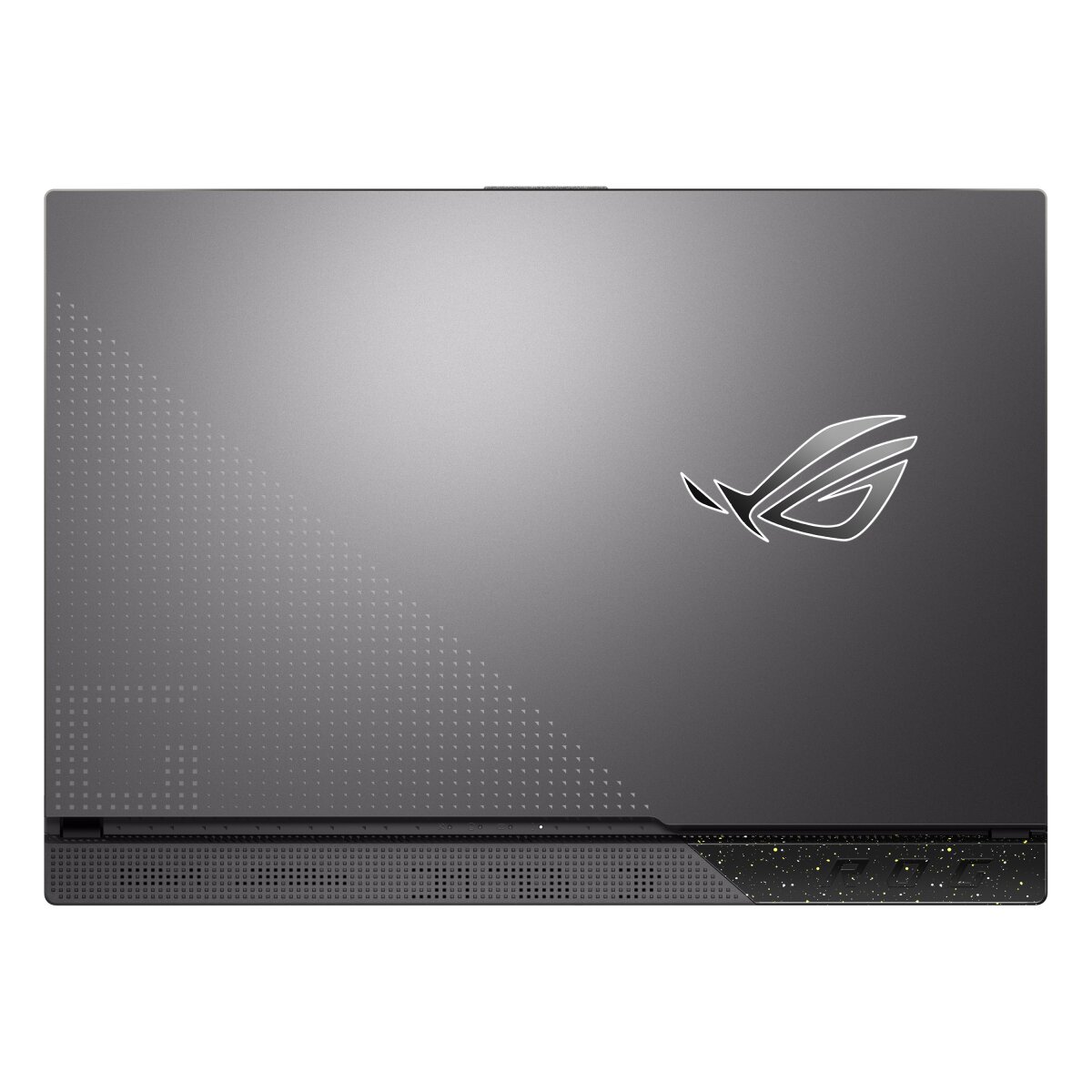
The ASUS ROG Strix G17 G713RS-LL008W laptop features DDR5-SDRAM memory upgrade specifications with 2x SO-DIMM slots supporting maximum capacity of 32 GB RAM. Compatible memory operates at 4800 MHz frequency. The SO-DIMM form factor enables memory expansion for enhanced system performance. Specifications indicate upgrade compatibility for DDR5 modules within the maximum capacity constraints of the G713RS-LL008W gaming laptop platform.
Memory Upgrade Specifications
| Specification | Value |
|---|---|
| Memory slots | 2x SO-DIMM |
| Form factor | SO-DIMM |
| Memory type | DDR5-SDRAM |
| Frequency | 4800 MHz |
| Maximum RAM | 32 GB |
| Voltage | 1.1V |
| Number of pins | 262-pin |
| Interface | PC5 |
| PC Speed Rating | PC5-4800 (PC5-38400) |
| Bandwidth | 38.4 GB/s |
| Laptop Release date | 04 September 2022 |
Additional Notes
- The ASUS ROG G713RS-LL008W operates with DDR5 memory running at 4800 MHz, which requires strict voltage compliance (1.25V nominal). Aftermarket SO-DIMM modules must match this exact specification; DDR4 memory is physically incompatible due to notch positioning differences on the PCB connector.
- With 2 SO-DIMM slots and a 32 GB maximum capacity ceiling, upgrading to the full limit requires 2x16 GB modules. Single-slot configurations or mixing different capacities (such as 8 GB + 16 GB) will operate in single-channel mode on the populated slot, reducing memory bandwidth by approximately 50 percent compared to dual-channel operation.
- DDR5-4800 memory modules are currently in the lower performance tier for DDR5 laptops. The 4800 MHz specification is set by the platform chipset and cannot be overclocked through BIOS without voiding manufacturer warranty protections. Faster DDR5 modules (5600 MHz or 6400 MHz) will automatically downclock to 4800 MHz when installed.
- SO-DIMM memory slots in gaming laptops typically sit beneath the keyboard deck or under a removable panel. Access may require thermal paste removal and thermal pad replacement during reinstallation, which impacts labor time and requires manufacturer thermal interface material specifications for warranty compliance.
- Latency characteristics of DDR5-4800 modules (typically CAS 40 or higher) will produce measurable performance differences in memory-intensive workloads compared to tighter-latency DDR4 systems, despite comparable bandwidth. Synthetic benchmarks may show 5-12 percent variations depending on memory timings of the replacement module.