ASUS ROG G713RS-LL042 RAM upgrade specifications




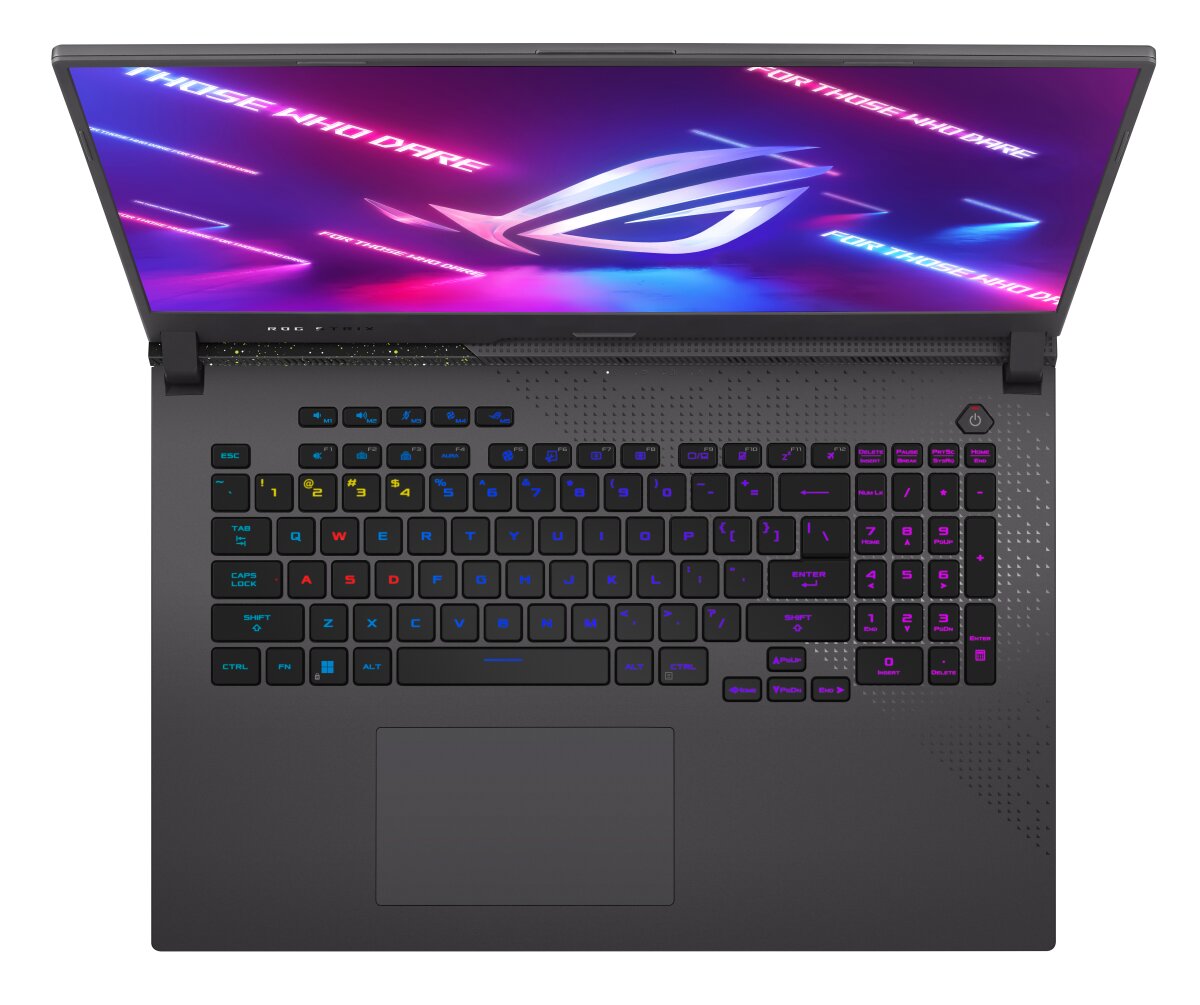
ASUS ROG Strix G17 G713RS-LL042 supports DDR5-SDRAM memory upgrades with 2x SO-DIMM slots. Maximum compatible RAM capacity reaches 32 GB total. Memory specifications include 4800 MHz frequency operation. Upgrade slots accommodate SO-DIMM form factor modules. Compatible memory modules must match DDR5 specifications for proper installation and performance with this gaming laptop model.
Memory Upgrade Specifications
| Specification | Value |
|---|---|
| Memory slots | 2x SO-DIMM |
| Form factor | SO-DIMM |
| Memory type | DDR5-SDRAM |
| Frequency | 4800 MHz |
| Maximum RAM | 32 GB |
| Voltage | 1.1V |
| Number of pins | 262-pin |
| Interface | PC5 |
| PC Speed Rating | PC5-4800 (PC5-38400) |
| Bandwidth | 38.4 GB/s |
| Laptop Release date | 30 June 2022 |
Additional Notes
- The ASUS ROG G713RS-LL042 allocates memory across 2 SO-DIMM slots, meaning both slots must be populated to achieve the 32 GB maximum capacity. Single-slot upgrades result in asymmetrical dual-channel configurations, which reduce memory bandwidth utilization by approximately 50 percent compared to matched-pair installations.
- DDR5-4800 MHz support establishes a fixed frequency ceiling. Third-party DDR5 modules rated above 4800 MHz will downclock to this specification; purchasing premium-tier DDR5-6400 or DDR5-7200 memory provides no performance advantage and constitutes wasted expenditure.
- SO-DIMM form factor is laptop-specific and incompatible with desktop DDR5 UDIMM modules. Sourcing replacement sticks requires verification of laptop-grade memory; standard desktop DDR5 will not physically fit the slots.
- Exceeding the 32 GB ceiling is architecturally impossible on this configuration. The Ryzen processor and chipset pairing do not support BIOS-level adjustments to memory capacity limits; third-party memory modules cannot override hardware constraints.
- Warranty implications depend on manufacturer policy regarding end-user RAM replacement. ASUS typically permits SO-DIMM upgrades without voiding coverage, but installation should follow thermal guidelines; improper seating or contact with surrounding components during removal voids coverage for collateral damage.