ASUS ROG G713RW-IS96 RAM upgrade specifications


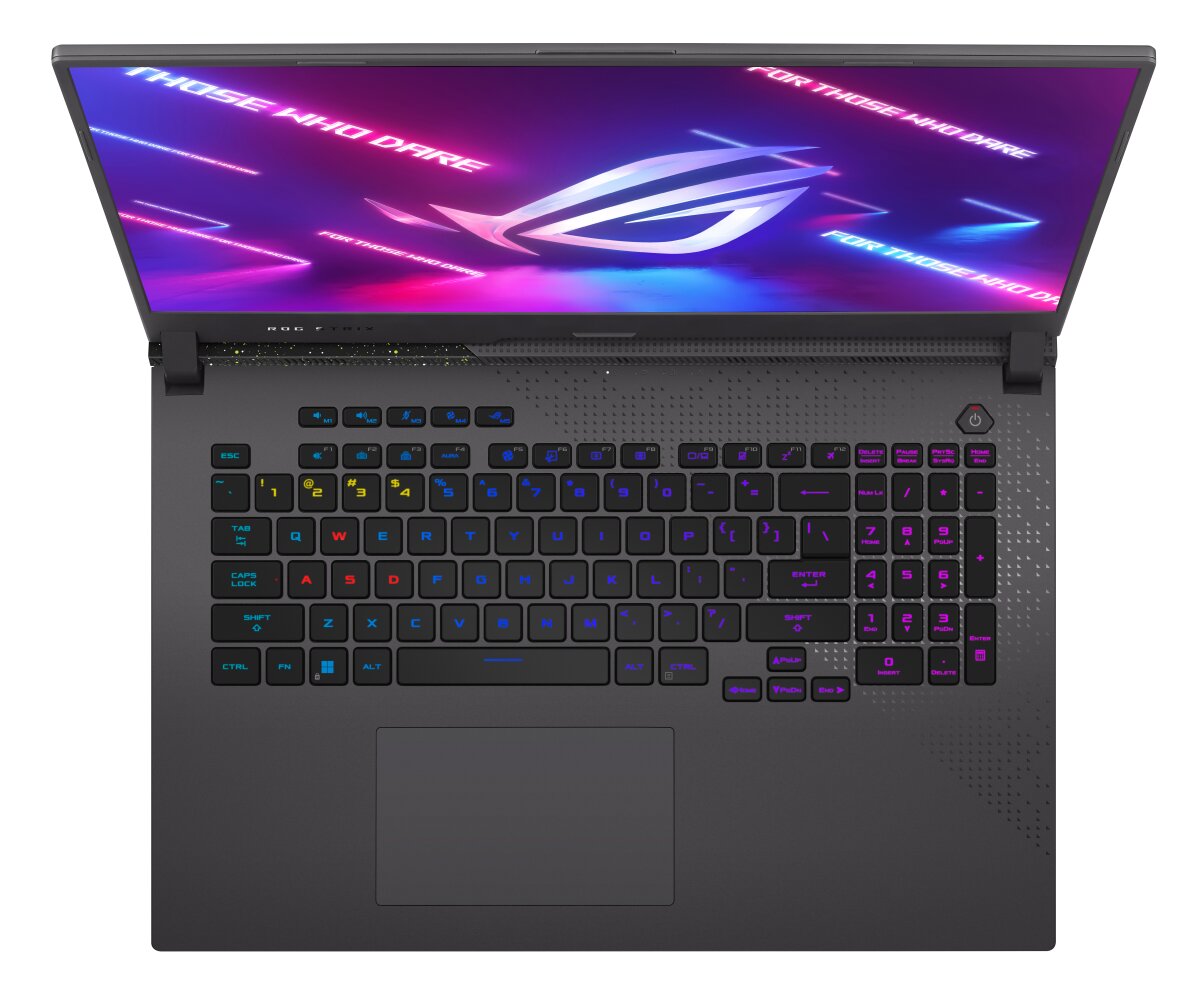


The ASUS ROG Strix G17 G713RW-IS96 gaming laptop features DDR5-SDRAM memory upgrade specifications with two SO-DIMM slots supporting maximum RAM capacity of 32 GB. Compatible memory modules operate at 4800 MHz frequency. The upgrade configuration allows for dual-channel memory installation in the SO-DIMM form factor, enabling enhanced multitasking and gaming performance through expanded memory capacity on this high-performance gaming system.
Memory Upgrade Specifications
| Specification | Value |
|---|---|
| Memory slots | 2x SO-DIMM |
| Form factor | SO-DIMM |
| Memory type | DDR5-SDRAM |
| Frequency | 4800 MHz |
| Maximum RAM | 32 GB |
| Voltage | 1.1V |
| Number of pins | 262-pin |
| Interface | PC5 |
| PC Speed Rating | PC5-4800 (PC5-38400) |
| Bandwidth | 38.4 GB/s |
| Laptop Release date | 25 September 2022 |
Additional Notes
- The ASUS ROG G713RW-IS96 utilizes SO-DIMM modules instead of standard DIMM, requiring laptop-specific memory form factors that cannot be substituted with desktop components.
- DDR5-SDRAM operates at a baseline voltage of 1.1V compared to DDR4's 1.2V, meaning DDR4 modules are electrically and physically incompatible regardless of form factor matching.
- The 32 GB maximum capacity constraint limits configuration options to either 2x16 GB modules or a single 32 GB module paired with an empty slot, precluding higher-density configurations.
- The 4800 MHz frequency represents the JEDEC standard speed for DDR5, though the chipset may support faster XMP/EXPO profiles if the BIOS provides corresponding options.
- Dual SO-DIMM slots enable dual-channel memory operation when populated with matched pairs, delivering twice the theoretical bandwidth compared to single-channel configurations.
- DDR5's on-die ECC architecture differs from user-accessible ECC found in workstation platforms, providing error correction transparency without requiring specific module types.
- SO-DIMM installation typically requires bottom panel removal and may involve cable disconnection depending on chassis design, with potential warranty implications if seal stickers are present.
- The 4800 MHz frequency specification indicates compatibility with JEDEC-standard modules, while higher-speed aftermarket RAM will downclock to this speed unless manually configured through BIOS.
- Mixed module capacities across the 2 slots will force the memory controller into asymmetric dual-channel mode, potentially reducing performance compared to matched-pair configurations.
- DDR5's higher frequency necessitates stricter signal integrity requirements, making module compatibility verification critical before purchase despite matching speed specifications.