ASUS ROG G713RW-KH095W RAM upgrade specifications
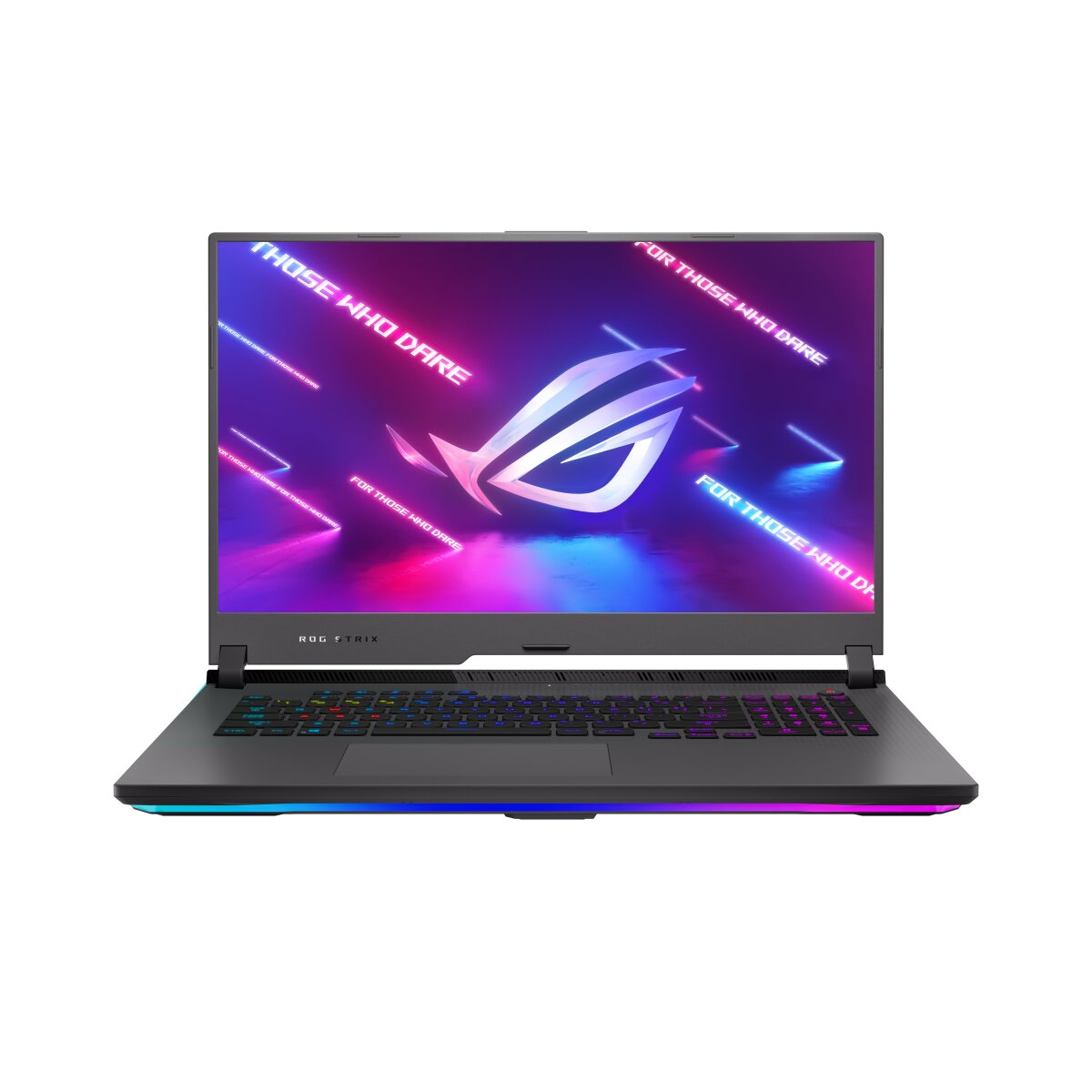




ASUS ROG Strix G17 G713RW-KH095W laptop features DDR5-SDRAM memory upgrade specifications with two SO-DIMM slots supporting maximum RAM capacity of 32 GB. Compatible memory operates at 4800 MHz frequency. Upgrade slots accommodate SO-DIMM form factor modules. Specifications indicate maximum memory expandability for enhanced system performance in gaming and professional applications.
Memory Upgrade Specifications
| Specification | Value |
|---|---|
| Memory slots | 2x SO-DIMM |
| Form factor | SO-DIMM |
| Memory type | DDR5-SDRAM |
| Frequency | 4800 MHz |
| Maximum RAM | 32 GB |
| Voltage | 1.1V |
| Number of pins | 262-pin |
| Interface | PC5 |
| PC Speed Rating | PC5-4800 (PC5-38400) |
| Bandwidth | 38.4 GB/s |
| Laptop Release date | 16 May 2022 |
Additional Notes
- The ASUS ROG G713RW-KH095W accepts only DDR5 SO-DIMM modules, making DDR4 memory physically incompatible due to different notch positioning and electrical requirements.
- The 32 GB maximum capacity constraint suggests chipset or BIOS limitations that will reject higher-density modules, even if physically installed.
- Dual-channel architecture requires matched pairs in both slots to avoid reverting to single-channel mode, which halves memory bandwidth.
- DDR5's native 4800 MHz base speed operates without requiring manual BIOS overclocking profiles, unlike previous-generation platforms.
- Mixing modules with different speeds will force all memory to run at the slowest module's frequency, eliminating any performance benefit from faster RAM.
- Non-standard module heights above 30mm may interfere with internal chassis components in gaming laptops of this form factor.
- JEDEC-compliant modules ensure automatic compatibility, while XMP or EXPO profiles designed for desktop platforms may not activate on mobile chipsets.
- Warranty preservation typically requires avoiding modules that exceed voltage or thermal specifications outlined in the service manual.
- DDR5's on-die ECC operates transparently for data integrity but differs from true server-grade ECC, which remains unsupported on consumer platforms.
- Asymmetric configurations, such as pairing 8 GB with 16 GB modules, will function but may create unequal memory allocation between channels.